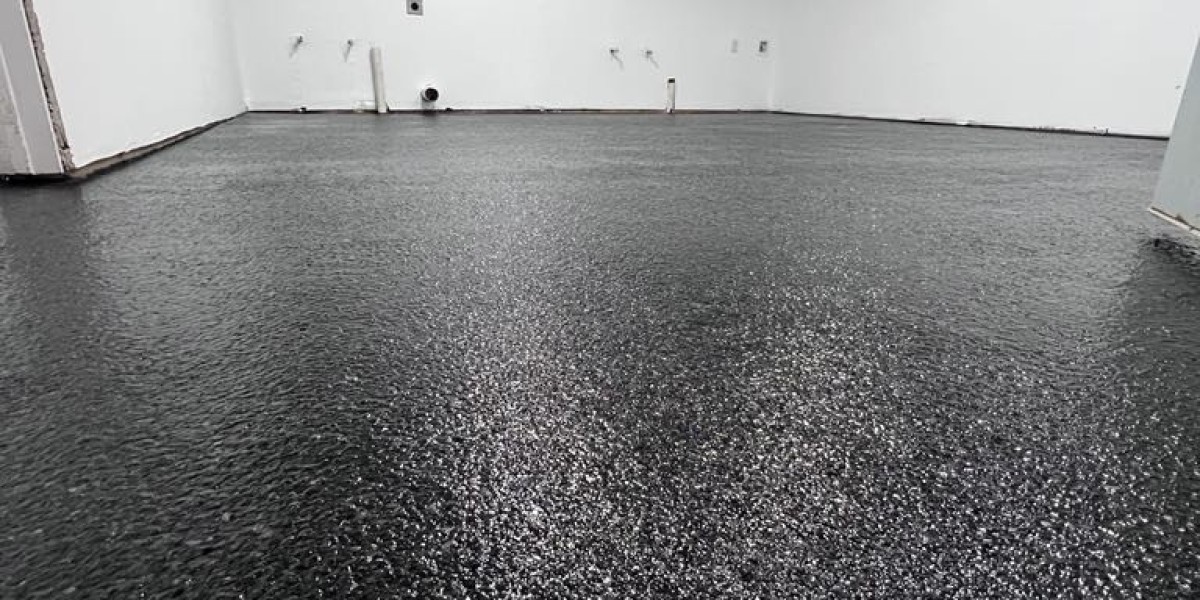

When it comes to protecting and upgrading concrete surfaces, home and business owners often find themselves choosing between epoxy flooring and traditional concrete paint . While both options can improve the appearance of concrete, they differ significantly in durability, performance, longevity, and overall value. Understanding these differences can help you make the right investment—whether you're upgrading a garage, warehouse, retail space, or residential interior.
As professional installers at Houston Epoxy Installers, we've seen firsthand how each surface performs in real-world environments. Here's a clear comparison to help you decide which solution is best for your concrete floors.
What Is Traditional Concrete Paint?
Concrete paint is essentially a surface coating designed to add color to concrete.professional installers at Houston Epoxy Installers It is typically acrylic or latex-based and works similarly to standard wall paint but with slightly better adhesion for concrete.
Pros of Concrete Paint
Low upfront cost – Concrete paint is relatively affordable and easy to apply.
Quick application – It can be rolled on in a few hours with minimal surface preparation.
Basic color improvement – Suitable for simple cosmetic enhancement.
Cons of Concrete Paint
Sits on the surface – Does not bond chemically with concrete, making it prone to peeling and chipping.
Poor durability – Not designed to handle abrasion, heavy loads, chemicals, or hot tire pickup.
Short lifespan – Typically lasts 1–2 years before requiring reapplication.
Limited resistance – Offers minimal protection from moisture, stains, or impact.
Concrete paint may look good initially, but it struggles in high-traffic areas or industrial and garage environments.
What Is Epoxy Flooring?
Epoxy flooring is a two-part resinous coating system made from epoxy resin and a hardener. Once mixed, it forms a high-strength, chemical-resistant, bondable coating that fully adheres to concrete. Epoxy is commonly used in warehouses, garages, showrooms, commercial kitchens, hospitals, and more due to its outstanding durability.
Pros of Epoxy Flooring
Exceptionally durable – Resistant to chemicals, abrasion, impacts, UV exposure (with proper topcoat), and heavy machinery.
Chemically bonds to concrete – Becomes part of the surface, not just a layer on top.
Highly customizable – Available in solid colors, flake systems, metallic epoxy, quartz blends, and more.
Moisture and stain resistant – Easy to clean and maintain.
Long lifespan – Professional epoxy floors last 10–20+ years.
Ideal for commercial & industrial applications – Designed for high-performance environments.
Cons of Epoxy Flooring
Higher initial investment – Costs more than basic paint, but lasts significantly longer.
Requires expert preparation & installation – Surface must be diamond-ground for proper adhesion.
Longer curing time – Depending on temperature, epoxy can take 24–72 hours to cure.
When installed correctly, epoxy flooring offers unmatched protection and a premium finish.
Side-by-Side Comparison: Epoxy Flooring vs. Concrete Paint
| Feature | Epoxy Flooring | Traditional Concrete Paint |
|---|---|---|
| Durability | Extremely high | Low |
| Lifespan | 10–20+ years | 1–2 years |
| Bonding Strength | Chemical bond to concrete | Surface-level adhesion |
| Resistance | Chemical, stain, impact, moisture | Minimal resistance |
| Hot Tire Pickup | Resistant | Very likely |
| Cost-effectiveness | Better long-term value | Low upfront cost but frequent recoating |
| Appearance | Glossy, decorative, customizable | Basic flat color |
| Suitable For | Garages, warehouses, retail, offices, kitchens, basements | Light foot-traffic areas |
Why Epoxy Flooring Outperforms Concrete Paint
1. Superior Adhesion
Epoxy penetrates into concrete pores and becomes part of the surface. Concrete paint only sticks to the top layer, making it easy to peel or scratch.
2. Industrial-Grade Durability
Epoxy holds up to:
Heavy equipment
Forklift traffic
Hot tires
Chemical spills
Moisture and stains
Concrete paint cannot stand with these conditions.
3. Long-Term Cost Savings
Although epoxy costs more upfront, it requires far fewer replacements. Concrete paint may need to be redone every 12–24 months, ultimately costing more in maintenance.
4. Custom Aesthetic Options
Epoxy offers:
Solid color coatings
Decorative flake floors
Metallic epoxy finishes
Quartz broadcast systems
Concrete paint has limited design flexibility and cannot achieve the depth or shine of epoxy.
5. Enhanced Safety Features
Epoxy floors can include:
Anti-slip aggregates
UV-resistant polyaspartic topcoats
Anti-microbial additives
Paint alone cannot provide these performance benefits.
Which One Should You Choose?
Choose Epoxy Flooring If You Need:
A long-lasting, professional-grade floor
Protection against chemicals and moisture
A beautiful, glossy, customized finish
A solution for garages, warehouses, or high-traffic areas
Long-term value and reduced maintenance
Choose Concrete Paint If You Need:
A very low-cost temporary solution
A quick DIY cosmetic upgrade
Light foot-traffic usage like storage rooms or patios
Final Verdict: Epoxy Flooring Is the Superior Choice
When comparing epoxy flooring to traditional concrete paint, the difference in performance is clear. Epoxy offers unmatched durability, longevity, aesthetic appeal, and protection , making it the best choice for anyone looking to enhance their concrete surfaces for the long term. Concrete paint may work for temporary color improvements, but it simply cannot match the strength and quality of an epoxy-coated floor.