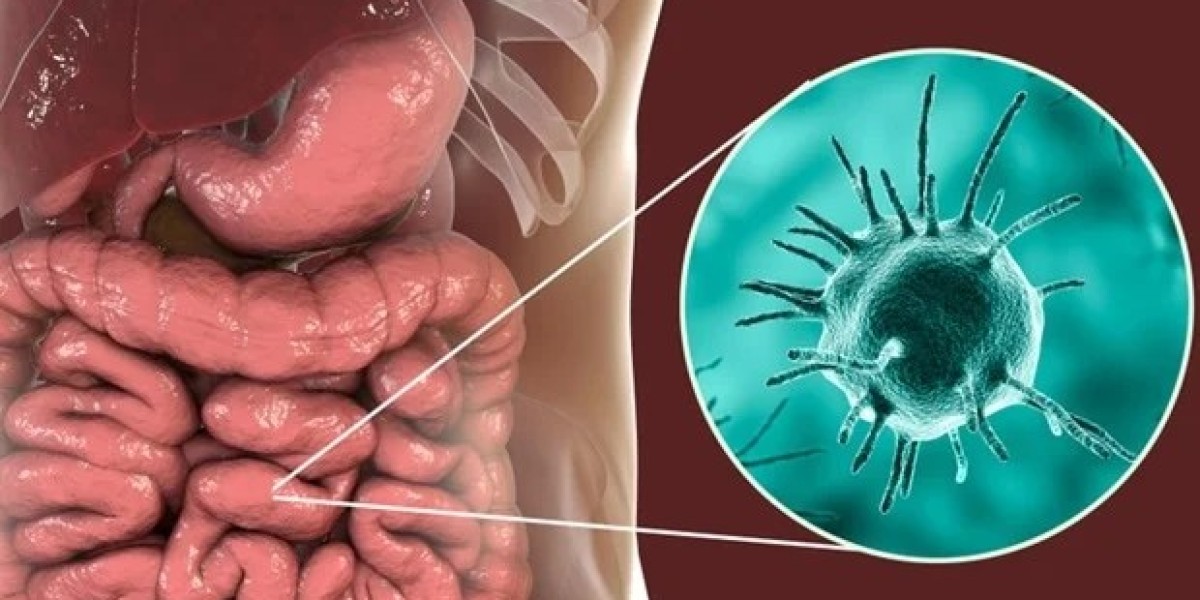

Hepatic amoebiasis is a potentially severe manifestation of infection caused by Entamoeba histolytica, a protozoan parasite capable of invading the intestinal mucosa and disseminating to the liver. While pharmacologic therapy remains central to clinical management, supportive strategies particularly nutrition play a crucial role in improving patient outcomes, supporting recovery, and mitigating complications. A comprehensive nutritional approach does not replace pharmacotherapy, but it does optimize the physiological environment needed for effective healing.
1. Understanding the Metabolic Burden of Hepatic Amoebiasis
Hepatic involvement produces systemic inflammation, hepatocellular stress, and metabolic disruption. Fever, abdominal discomfort, and reduced appetite are common, often leading to inadequate caloric intake and nutrient deficiencies. In more advanced situations, patients may experience impaired hepatic function, which affects protein metabolism, glucose regulation, and fat digestion. These metabolic derangements highlight the need for targeted nutritional interventions aligned with the patient’s clinical status.
Moreover, during active infection, the body’s basal metabolic rate often increases, resulting in greater nutrient and energy requirements. Without compensatory nutritional intake, patients may exhibit unintended weight loss, compromised immune response, and delayed tissue recovery.
2. Goals of Nutritional Management
The overarching goals of nutrition support in hepatic amoebiasis include:
Maintaining adequate caloric intake to prevent catabolism.
Supporting immune function to enhance the host’s ability to combat infection.
Minimizing hepatic workload through macronutrient adjustments.
Replenishing micronutrients that may be depleted during illness.
Facilitating gastrointestinal comfort and preventing exacerbation of symptoms.
Effective nutritional management requires attention to macronutrient balance, micronutrient sufficiency, hydration, and dietary patterns.
3. Macronutrient Considerations
Protein:
Protein is essential for immune function, liver tissue repair, and maintenance of lean body mass. In uncomplicated hepatic amoebiasis, moderate protein intake is generally recommended. However, if hepatic dysfunction is severe, protein levels may need careful adjustment to prevent production of excess nitrogenous waste, which can exacerbate hepatic strain. Soft-textured, easily digested protein sources such as legumes, eggs, dairy, tofu, fish, and poultry are typically better tolerated.
Carbohydrates
Carbohydrates represent the primary energy source during the acute phase of infection. Adequate carbohydrate intake helps prevent muscle protein breakdown. Complex carbohydrates whole grains, root vegetables, and fruits provide sustained energy and fiber, though fiber intake may need modification if the patient experiences gastrointestinal discomfort.
Fats
Fat digestion can be impaired during hepatic stress, and high-fat foods may worsen nausea or abdominal discomfort. Emphasis should be placed on healthy, easily digestible fats such as those found in avocados, nuts, seeds, and plant oils. In cases of severe hepatic impairment, fat intake may be reduced to minimize digestive burden.
4. Micronutrients Supporting Immune and Liver Function
Specific vitamins and minerals contribute significantly to recovery:
Vitamin A: Supports mucosal immunity and tissue repair.
Vitamin C: Provides antioxidant protection against inflammatory damage.
B-complex vitamins: Essential for energy metabolism, especially when caloric intake is insufficient.
Zinc and selenium: Crucial for immune response and cellular repair processes.
Iron: Should be monitored; deficiencies may occur, but supplementation requires professional oversight due to potential hepatic load.
A diversified diet rich in vegetables, fruits, nuts, seeds, and protein sources is typically sufficient, though supplementation may be indicated in individuals with poor intake.
5. Hydration and Electrolyte Balance
Fever, anorexia, and potential gastrointestinal symptoms increase the risk of dehydration and electrolyte imbalance. Adequate hydration facilitates metabolic function, supports temperature regulation, and assists in waste elimination. Oral rehydration solutions may be beneficial in preventing sodium, potassium, and chloride deficits. Clear broths, herbal teas, diluted fruit juices, and water are commonly recommended fluids during the acute phase.
6. Gastrointestinal Comfort and Meal Structuring
Because hepatic amoebiasis may cause pain or early satiety, modifying meal structure can improve tolerance and nutrient intake. Strategies include:
Consuming small, frequent meals throughout the day.
Prioritizing warm, easily digestible foods such as soups, porridges, and steamed vegetables.
Avoiding irritants, including spicy foods, alcohol, and high-fat fried foods.
Incorporating probiotics through yogurt or fermented foods to support gut microbiota balance, which may be disrupted during or after treatment.
7. Integration With Pharmacologic Therapy
Nutritional management complements rather than replaces medical treatment. Anti-amoebic medications administered under clinical supervision are essential for clearing infection. While antibiotics and antiparasitics form the backbone of therapy, patients and caregivers often inquire about sourcing medications or the supply chain. For context, pharmaceutical distribution channels such as those involving a mebendazole wholesaler play a role in ensuring consistent availability of antiparasitic medications to healthcare systems. However, any specific drug selection or treatment regimen should always be determined solely by qualified medical professionals.
8. Nutrition During Recovery and Convalescence
Recovery from hepatic amoebiasis can be prolonged, requiring sustained nutritional support. During convalescence, patients may gradually reintroduce a wider variety of foods and increase caloric intake to restore muscle mass and energy stores. Emphasis should be placed on:
High-quality lean proteins for tissue repair.
Adequate complex carbohydrates to restore energy balance.
Fruits and vegetables for micronutrient density and antioxidant capacity.
Gradual reintroduction of higher-fiber foods as gastrointestinal function normalizes.
Monitoring weight, appetite, and overall energy levels provides useful indicators of nutritional recovery.
9. Special Considerations for Vulnerable Populations
Children, older adults, and individuals with comorbidities require tailored nutritional support. Children may experience more pronounced nutritional deficits due to higher metabolic demands and smaller nutrient reserves. Older adults often face diminished appetite and altered digestion, necessitating calorie-dense, nutrient-rich meals. Patients with pre-existing liver disease require close monitoring to prevent excessive hepatic burden.
10. The Role of Nutrition in Long-Term Health Management
Beyond acute infection, nutrition contributes to preventing recurrence and sustaining liver health. A diet low in processed foods and high in whole, nutrient-dense foods supports immune resilience. Safe food and water practices, including thorough cooking of meats and proper hygiene, remain critical preventive measures against reinfection.
Conclusion
Nutrition plays a multifunctional role in managing hepatic amoebiasis by supporting immune competence, promoting liver recovery, stabilizing metabolic function, and improving overall patient resilience during and after treatment. While pharmacologic management remains the primary therapeutic modality, thoughtful and targeted nutritional strategies materially enhance patient outcomes. A structured, evidence-based dietary plan tailored to the individual’s clinical condition ensures that nutrition effectively complements medical care throughout the full course of recovery.