
For the modern global business leader, the boardroom is just one theater of operation. The true work—and the greatest risks—often lie outside of it. A deal finalized in a bustling Lagos market district. A factory inspection on the outskirts of São Paulo. A strategic retreat at a remote mountain lodge. These are the places where fortunes are made and global empires are built. They are also environments where the rules are different, local tensions can be high, and the executive is visibly out of place.
In these contexts, traditional corporate security—a badge reader at headquarters or a firewall on the network—is insufficient. The physical safety of the decision-maker becomes the critical link in the entire enterprise's chain. When the stakes involve billions in capital, thousands of jobs, and sensitive international negotiations, the leader’s security is not a personal luxury; it is a fundamental business continuity issue. This is where the strategic value of personal armed security moves from the periphery to the core of executive strategy. It is a sophisticated tool that enables mobility, ensures continuity, and protects the most valuable asset any company has: its visionary leadership.
The Global Risk Landscape: More Complex Than a Spreadsheet
The world for a global CEO, investor, or high-stakes negotiator is not the sanitized version seen in annual reports. It is a patchwork of varying threat levels, cultural nuances, and unpredictable variables. The risks are multifaceted:
Geopolitical Instability: A leader’s travel itinerary may include regions with active civil unrest, a high risk of kidnapping for ransom, or anti-Western sentiment. A route that is safe one week can become a flashpoint the next.
Economic Targeting: In areas of stark inequality, a visiting executive is a symbol of wealth, potentially making them a target for opportunistic crime or more organized extortion attempts.
Corporate Espionage & Competitive Sabotage: Rival entities may go beyond hacking to physical surveillance, harassment, or even orchestrated incidents to derail a critical meeting or pressure a leader.
Reputational & Crisis Events: A security incident involving a top leader—even a minor one blown out of context on social media—can trigger a stock sell-off, partner panic, and a global reputational crisis.
The Unseen Psychological Toll: The constant, low-grade awareness of vulnerability in unfamiliar territories drains cognitive resources. This "security tax" impairs the very judgment, creativity, and focus required to make billion-dollar decisions.
A leader cannot be expected to be an expert in threat assessment in Medellín one week and Manila the next. Their job is to lead. The security team’s job is to create the conditions that allow them to do so safely.
The Evolution of Executive Protection: From Bodyguard to Intelligence-Led Security Advisor
The archetype of the silent, muscular bodyguard is obsolete. Today’s personal security services for the global elite are a blend of military precision, intelligence analysis, and diplomatic tact. The armed professional is the most visible component of a much larger, proactive system.
1. The Intelligence Fusion Cell
Before the leader’s wheels are up on the Gulfstream, a dedicated team is working. They analyze real-time intelligence feeds, local news, and State Department advisories. They develop a detailed threat assessment for every destination, not just at the country level, but down to the specific hotel, route, and venue. This isn't just about crime stats; it's about understanding local power dynamics, identifying potential flashpoints, and predicting problems before they arise.
2. The Advance Team: Creating the Secure Bubble
The armed agents who travel with the principal are the tip of the spear, but they are supported by an advance team that lands hours or days ahead. This team:
Conducts Route Rehearsals: They drive the proposed routes from airport to hotel to meeting site, identifying choke points, safe havens (trusted clinics, secure buildings), and alternative paths.
Performs Venue Security Surveys: They meet with local venue management, inspect loading docks, review emergency exits, and establish secure holding areas.
Liaises with Local Assets: They build rapport with vetted local drivers, trusted medical facilities, and, where appropriate, legitimate local security forces to enable a coordinated response if needed.
3. The Armed Security Agent: A Multifaceted Asset
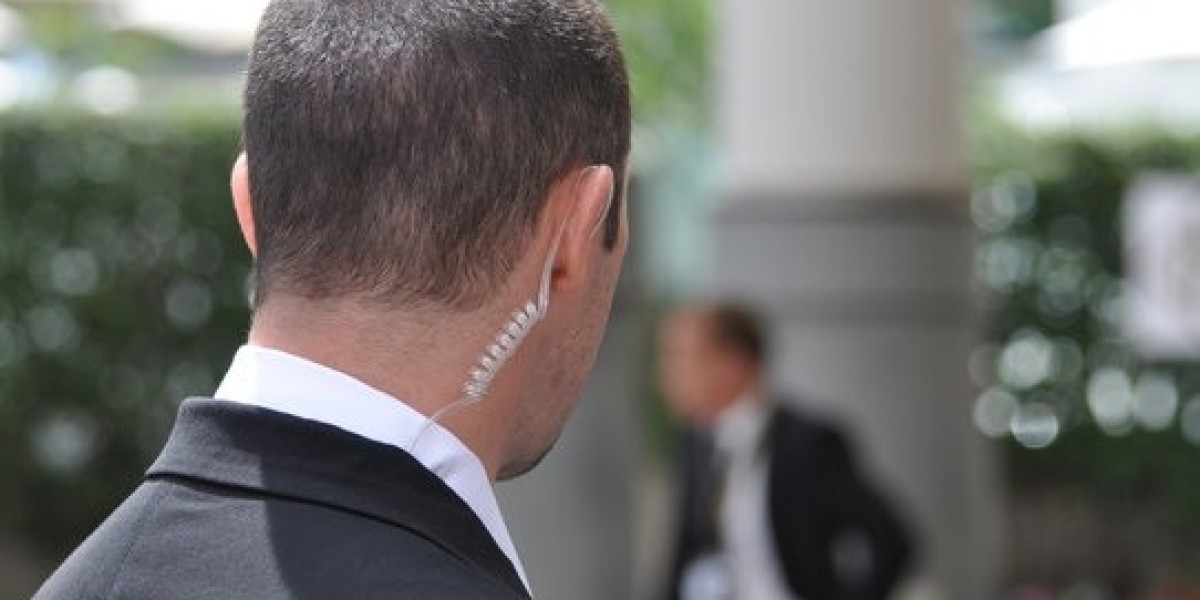
The agents providing close protection are selected for intellect and judgment as much as tactical skill. Their role extends far beyond carrying a firearm.
Deterrence Through Professionalism: Their visible, hyper-professional demeanor is a primary deterrent. They project an aura of "this is a hard target," discouraging all but the most determined threats.
Dynamic Risk Assessment: In real-time, they read crowds, identify anomalous behavior, and make split-second decisions to alter routes or schedules based on their training and the advance intelligence.
Secure Mobility: They are experts in defensive and evasive driving, turning vehicles into protective assets. They manage logistics to avoid predictable patterns that could be exploited.
Emergency Medical Capability: Most high-level protective agents are trained as Tactical Emergency Medical Technicians (TEMTs), able to provide critical, battlefield-level first aid for trauma, a capability often faster than waiting for local EMS in a developing region.
4. Cyber-Physical Convergence
A leader’s digital footprint is a roadmap for physical threats. The security team works in tandem with cybersecurity experts to:
Minimize Digital Trails: Manage the use of personal devices during travel to prevent location tracking.
Secure Communications: Ensure all communications from the road—especially regarding sensitive deal terms or travel details—are conducted over encrypted channels.
Counter-Surveillance: Employ technical sweeps in hotel suites and meeting rooms to detect listening devices, a common tactic in high-stakes business environments.
The Tangible Business Benefits: An ROI on Safety
Framing elite security as a cost center misses the point entirely. It is a strategic enabler with a measurable return on investment.
Ensures Business Continuity: The most direct benefit. Protecting the leader from harm or kidnapping ensures the company’s strategic direction remains intact and that catastrophic leadership vacuums are avoided.
Enables Access and Opportunity: With a trusted security team, a leader can confidently enter emerging markets and high-risk, high-reward environments that competitors might avoid. This first-mover advantage can be worth billions.
Enhances Negotiation Leverage: There is an undeniable psychological advantage in being able to remain calm and focused in a tense negotiation in a challenging location, knowing your security is managed. It projects control and stability.
Protects Shareholder Value: A single security incident involving a CEO can wipe billions off a company’s market cap overnight. Proactive security is a direct defense of shareholder equity.
Attracts and Retains Top Talent: Knowing that the company invests seriously in the safety of its key executives strengthens loyalty and makes it easier to recruit world-class leaders who have options.
The Human Element: Freedom Within a Framework
Perhaps the most profound benefit is psychological. The presence of a supremely capable personal armed security team is not constraining; it is liberating. It offloads the immense subconscious burden of vigilance. The leader’s mind, freed from scanning for threats, can fully engage in the complex problem-solving, relationship-building, and strategic foresight their role demands. They can be present in the moment with a foreign minister or a factory worker, building the rapport that is the true currency of global business.
The team provides a mobile zone of normalcy, allowing the leader to maintain routines—exercise, confidential calls, family time—even in the most unfamiliar settings. This continuity is vital for mental resilience during grueling multi-country trips.
Implementing a Strategic Security Protocol
For a corporation or family office, establishing this capability requires a partnership, not just a purchase.
Seek a Strategic Partner, Not a Vendor: The provider must be capable of intelligence analysis, advanced planning, and seamless execution. They should ask detailed questions about business objectives, not just travel dates.
Demand Global Experience with Local Networks: The best firms have proven experience in the specific regions you operate in and have established, vetted contacts on the ground.
Insist on Integration: The security team must be able to integrate discreetly with the leader’s executive assistants, corporate travel, and communications staff to create a seamless, efficient travel ecosystem.
Focus on Discretion and Temperament: The agents should be professionals who understand their role is to facilitate business, not dominate the scene. Their demeanor should inspire confidence in the principal and calm in those around them.
Conclusion: The Ultimate Strategic Enabler
In the end, for the global business leader, personal security services—particularly those including a highly trained armed capability—are about preserving agency. They are the indispensable foundation that allows vision to be executed in a volatile world. They transform risk from a paralyzing variable into a managed factor.
It is a recognition that in the 21st century, leadership is exercised not just in insulated headquarters but on the front lines of global commerce. Protecting the individual who embodies the strategy is the smartest investment a board or a family office can make. It is the ultimate safeguard for the vision, the deal, and the legacy, ensuring that the leader’s focus remains where it belongs: not on the dangers of the journey, but on the destination and the immense possibilities beyond the next horizon.