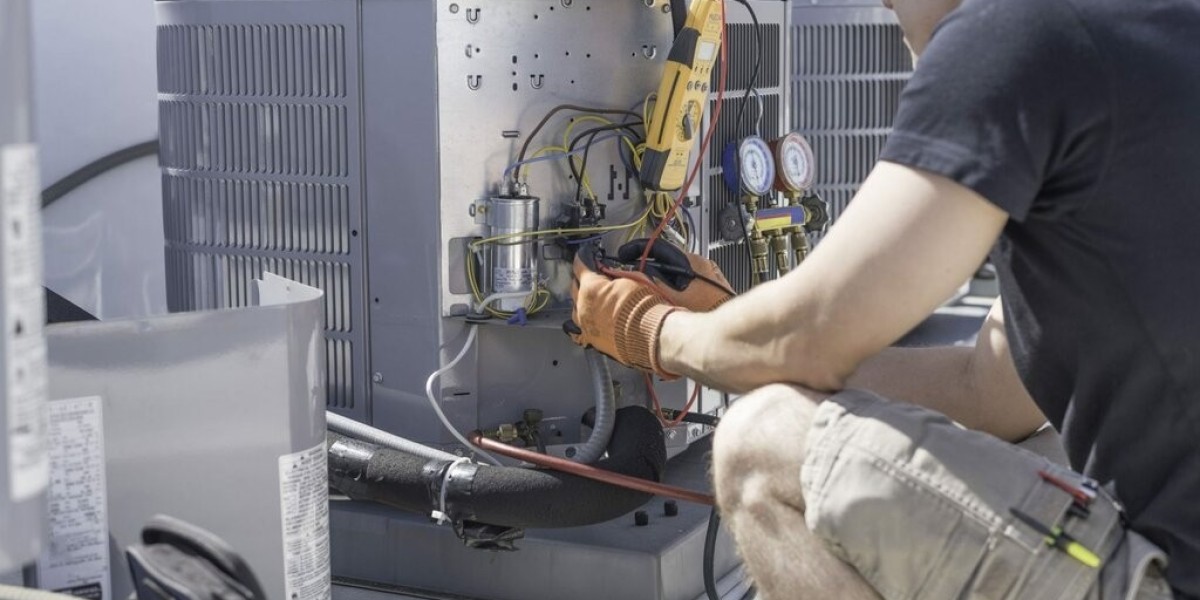

The hum of your air conditioner is the soundtrack of summer comfort. It’s a sound you rely on to turn a hot, stuffy house into a cool, welcoming refuge. But when that familiar hum changes—or stops altogether—it can send a ripple of anxiety through your home. Is it a minor glitch or a major disaster? Will it cost a hundred dollars or a thousand?
For many homeowners, the world of air conditioning repair feels like a black box. A technician arrives, disappears into the basement or outside with your unit, and emerges with a diagnosis that sounds like a foreign language. This uncertainty is stressful and can leave you feeling vulnerable to misinformation or overcharging. But it doesn't have to be this way. Understanding the most common AC problems, their likely causes, and what the solutions entail can empower you as a homeowner. It helps you communicate clearly with a technician, ask the right questions, and make informed decisions about your home's comfort system. Whether you're in Rahway, NJ, or anywhere else with a hot summer, this knowledge is your first line of defense.
The Warning Signs: Listening to Your AC's Cry for Help
Your air conditioner often gives you clear signals before it fails completely. Learning to recognize them can mean the difference between a simple, scheduled repair and a costly, sweaty emergency.
Weak or Warm Airflow: You feel air coming from the vents, but it's not strong or not cold. This could be a simple filter issue or something more complex with the blower or compressor.
Unusual Noises: AC units aren't silent, but they should have a consistent, low hum. New sounds are a red flag.
Screeching or Squealing: Often indicates a problem with the blower motor belt (in older units) or a failing motor bearing.
Grinding or Rattling: Could be a loose part, debris in the blower fan, or a failing compressor.
Banging or Clanking: Suggests a broken or disconnected part inside the compressor or fan assembly.
Frequent Cycling: The unit turns on and off much more frequently than normal. This "short-cycling" is hard on the system and reduces efficiency.
Moisture Where It Shouldn't Be: A small amount of condensation is normal. But significant pooling water around the indoor unit or an active leak usually points to a clogged condensate drain line or a broken condensate pump.
Foul Odors: Musty smells often signal mold or mildew in the ductwork or on the evaporator coil. A burning smell could indicate an electrical issue or overheating component.
Sky-High Energy Bills: A sudden, unexplained spike in your summer electric bill is often the first sign of an AC system working much harder than it should due to an underlying problem.
A Guide to Common Culprits and Their Fixes
Here’s a breakdown of the issues behind those warning signs, explained in straightforward terms.
1. The Frozen Evaporator Coil
The Problem: You see ice building up on the copper pipes of the indoor unit. This completely blocks airflow and cooling.
Likely Causes: Restricted airflow is the #1 cause. This is almost always due to a dirty air filter, blocked return air vents, or failing blower motor. Low refrigerant levels can also cause the coil to freeze.
The Solution: A technician will first turn the system off to let the ice melt. They will then identify and fix the root cause: replacing the filter, clearing vents, repairing the blower, or finding and fixing a refrigerant leak before recharging the system.
Homeowner Tip: Change your air filter every 1-3 months without fail. This is the simplest, most effective preventative maintenance you can do.
2. Refrigerant Leaks
The Problem: Your AC is low on its lifeblood—the refrigerant that absorbs and releases heat. Symptoms include poor cooling, ice on the coils, and a hissing sound.
Likely Causes: Corrosion, vibration, or factory defects can cause small punctures or cracks in the refrigerant lines or coils.
The Solution: A technician must first locate the leak using specialized tools. Simply adding more refrigerant ("topping off") is illegal and ineffective if there's a leak. The leak must be repaired, and then the system must be evacuated and recharged to the precise manufacturer's specification.
Homeowner Tip: If a technician suggests just adding refrigerant without finding a leak, seek a second opinion.
3. A Dirty or Blocked Condenser Coil
The Problem: The outdoor unit's condenser coil is covered in a layer of dirt, grass clippings, cottonwood fuzz, or pollen. This acts like a blanket, trapping heat and preventing the unit from releasing it outside. The system struggles, runs longer, and your bills soar.
Likely Causes: Normal outdoor debris accumulation, especially after storms or during high-pollen seasons.
The Solution: Professional cleaning. Technicians use a special coil cleaner and a gentle water spray to wash away debris without damaging the delicate aluminum fins.
Homeowner Tip: Keep the area around your outdoor unit clear (at least 2 feet). Gently hose off visible dirt from the outside of the unit a few times a season, but avoid high-pressure sprays that can bend the fins.
4. Faulty Capacitors
The Problem: Capacitors are small, cylindrical components that give motors (like the compressor and fan motors) the extra jolt of electricity they need to start. A weak or failed capacitor will cause a motor to hum but not start, or cause the system not to turn on at all.
Likely Causes: Capacitors naturally degrade over time, especially in the heat. Power surges can also damage them.
The Solution: A relatively quick and affordable repair. The technician tests the capacitors with a multimeter and replaces the faulty one.
Homeowner Tip: Capacitor failure is one of the most common AC repairs. It's often a fix that can be completed in one visit.
5. Clogged Condensate Drain Line
The Problem: As your AC cools, it pulls humidity from the air, creating condensation. This water drains away through a PVC pipe. When that drain clogs with algae, mold, or sludge, water can back up and overflow, causing water damage to your ceiling, walls, or furnace.
Likely Causes: Biological growth inside the dark, damp drain line.
The Solution: The technician will use a wet/dry vac or a specialized drain-clearing tool to clear the obstruction. They may also recommend installing a preventive float switch that turns the AC off if the drain backs up.
Homeowner Tip: You can sometimes prevent this by pouring a cup of white vinegar down the drain line access point each month during cooling season to inhibit algae growth.
6. Thermostat Malfunctions
The Problem: The AC isn't receiving the right instructions. The system may not turn on, may short-cycle, or may not reach the desired temperature.
Likely Causes: Dead batteries (for wireless models), incorrect calibration, loose wiring, or general failure of an older unit.
The Solution: Often simple: replace batteries, recalibrate, or secure wiring. In other cases, upgrading to a modern, programmable thermostat solves the problem and improves efficiency.
Homeowner Tip: Always check the thermostat batteries first. Ensure it's set to "COOL" and not "FAN ON."
The Rahway, NJ Context: Why Local Expertise Matters
For homeowners in air conditioning repair Rahway NJ, these common issues are influenced by our specific regional climate. Our humid summers mean clogged drain lines are a frequent issue. Our older housing stock, with everything from historic Victorians to mid-century ranches, often means AC systems are working harder to cool less-insulated spaces, putting more strain on components. A local technician familiar with Rahway understands these nuances—they know which systems are common in area homes and how our weather patterns affect them. They can also provide faster, more reliable service when you need it most during a North Jersey heatwave.
The Proactive Path: How to Minimize Repairs
Knowledge isn't just for reacting to problems; it's for preventing them.
Invest in Annual Maintenance: A professional pre-season tune-up is the single best way to avoid emergencies. A tech will clean coils, check refrigerant levels, inspect electrical components, and catch small issues before they become big, expensive failures.
Be Filter-Vigilant: We cannot stress this enough. A clean filter is your AC's best friend.
Keep It Clear: Maintain clear space around both your indoor air handler and your outdoor condenser unit.
Listen and Observe: Pay attention to changes in performance, sound, and smell. Early detection leads to simpler repairs.
Conclusion: Empowerment Through Understanding
Your air conditioner is a complex machine, but its common failures don't have to be a mystery. By familiarizing yourself with these typical issues—from frozen coils and clogged drains to faulty capacitors and refrigerant leaks—you shift from being a passive consumer to an informed partner in your home's maintenance.
This knowledge helps you ask better questions, understand estimates, and choose a reputable technician who will diagnose and fix the real problem. Remember, the goal isn't to become a DIY repair expert (those repairs should be left to licensed professionals for safety and warranty reasons), but to become a savvy homeowner who can navigate the world of air conditioning repair with confidence. Start with a clean filter and a scheduled maintenance plan, and you'll be well on your way to cooler, more worry-free summers.