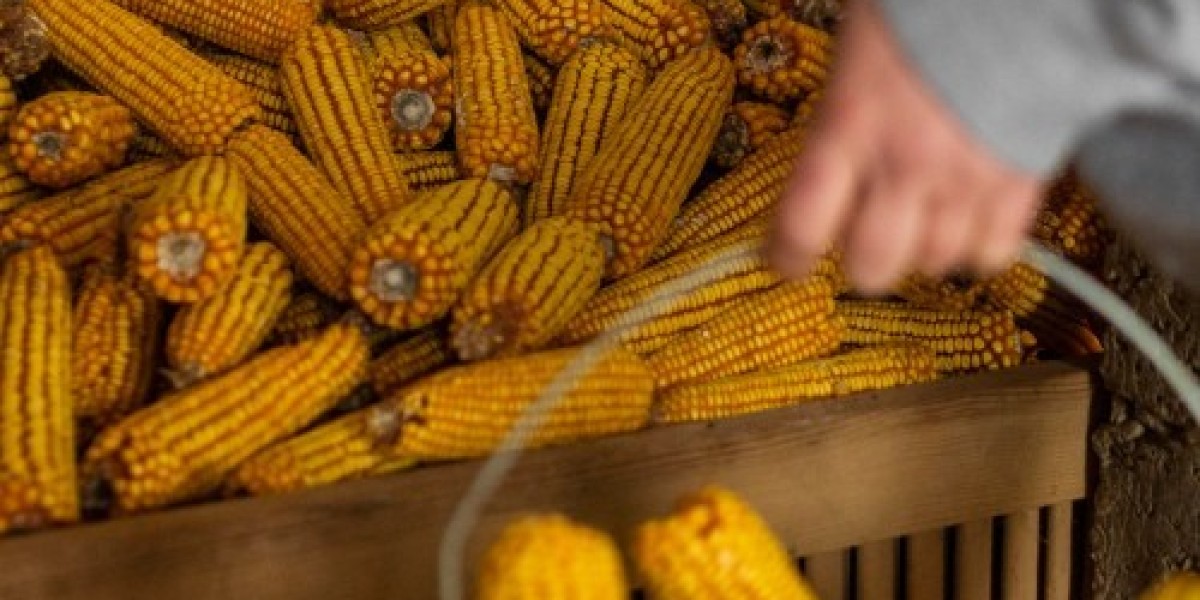

Yellow maize—commonly known as corn—is one of India’s most significant agricultural commodities, serving as a staple ingredient across food, feed, and industrial sectors. As demand continues to rise both domestically and internationally, Yellow maize suppliers in India play a crucial role in ensuring consistent availability, quality assurance, and market stability.
For buyers, understanding the supply chain, grading standards, and sourcing best practices is essential for making informed purchasing decisions. This comprehensive guide explores the landscape of yellow maize production in India, how suppliers operate, and what buyers should consider when working with reputable exporters and distributors.
The Importance of Yellow Maize in India’s Agricultural Ecosystem
Yellow maize is cultivated across multiple Indian states, including Karnataka, Maharashtra, Andhra Pradesh, Telangana, Bihar, and Madhya Pradesh. Its versatility contributes to its high demand across various industries:
1. Animal and Poultry Feed
Yellow maize constitutes a major share of poultry and livestock feed due to its high carbohydrate content and balanced nutritional profile. It provides energy and supports healthy growth in poultry, cattle, and aquaculture.
2. Food Processing
Many food products rely on maize as a base ingredient, including:
Corn flour
Breakfast cereals
Corn starch
Snack foods
Sweeteners
Its mild flavor and nutrient density make it suitable for both traditional and modern culinary applications.
3. Industrial Uses
Corn derivatives such as starch, ethanol, sorbitol, and biodegradable plastics create substantial demand from various manufacturing sectors. As industries diversify, maize requirements continue to grow.
4. Export Markets
India exports yellow maize to Southeast Asia, the Middle East, Africa, and neighboring countries. Reliable yellow maize suppliers in India ensure consistency in grain size, moisture content, and packaging to meet international standards.
How Yellow Maize Suppliers in India Meet Market Demand
India’s maize supply chain involves growers, aggregators, processors, traders, and exporters. Reputable suppliers follow structured processes to maintain quality and ensure timely fulfillment.
1. Quality Sourcing From Farmers
Reputable suppliers establish networks with farmers who follow good agricultural practices such as:
Controlled moisture harvesting
Use of high-yield and pest-resistant varieties
Proper drying and cleaning processes
Minimal chemical residue usage
This farm-to-market approach helps maintain grain integrity.
2. Cleaning and Grading Processes
Quality assessment is essential. Suppliers typically use:
Gravity separators
De-stoning machines
Advanced drying systems
Sieving technologies
These processes help achieve consistent grain size and reduce contamination from dust, chaff, or foreign particles.
3. Moisture Control and Storage
Moisture is one of the most critical parameters in maize storage. Excess moisture can lead to mold, spoilage, or aflatoxin development. Suppliers regulate moisture using:
Mechanical dryers
Aerated warehouses
Weather-proof storage facilities
Regular quality checks
Maintaining the ideal moisture level (generally around 12–14%) ensures safe transportation and long-term storage.
4. Packaging and Export Standards
For domestic and international buyers, proper packaging ensures grain safety during transit. Common packaging solutions include:
Polypropylene (PP) bags
Bulk containers
Jumbo bags for large shipments
Exporters also comply with phytosanitary standards, fumigation requirements, and third-party inspections when needed.
5. Logistics and Supply Chain Management
India’s maize suppliers leverage:
Extensive distribution networks
Efficient port connectivity
Cargo tracking systems
Multi-modal transport solutions
Reliable logistics help minimize delays, reduce losses, and optimize costs for buyers.
Advantages of Sourcing From Trusted Yellow Maize Suppliers in India
Working with established suppliers provides multiple advantages, especially for large-scale buyers in feed mills, food processing, or international trade.
1. Consistent Quality Control
Reputable suppliers ensure grains meet standard specifications, such as:
Low moisture content
Uniform grain size
High purity levels
Compliance with food and feed safety standards
This reduces risks associated with contamination or inferior quality supplies.
2. Competitive Pricing
India’s extensive production and strong supplier network help maintain competitive pricing without compromising quality. Trusted suppliers optimize procurement, storage, and logistics to offer economical solutions.
3. Scalability for Bulk Orders
Whether a buyer needs small consignments or large container-load shipments, experienced suppliers can scale operations based on demand.
4. Reliable Timelines
Consistent delivery schedules matter for feed mills, poultry farms, and export buyers. Leading suppliers maintain buffer stocks and streamlined transportation to avoid supply disruptions.
5. Customization Options
Some suppliers offer customized solutions such as:
Tailored packaging sizes
Specific moisture level requirements
Export-grade cleaning and sorting
Nutritional reporting or certificates
Customization improves usability across different industries.
Key Factors Buyers Should Consider When Selecting a Yellow Maize Supplier
Choosing the right maize supplier requires careful evaluation. Here are crucial factors to examine:
1. Supplier Reputation and Experience
Long-standing suppliers typically demonstrate:
Strong sourcing networks
Stable quality consistency
Compliance with safety standards
Good standing in domestic and international markets
Evaluating reviews, certifications, and business history helps gauge reliability.
2. Quality Certifications
Look for suppliers with:
FSSAI approval
ISO certifications
Phytosanitary certificates
Quality analysis reports
These certifications reflect adherence to safety and quality parameters.
3. Product Specifications
Ensure the maize meets your operational requirements:
Moisture level
Grain size
Purity percentage
Aflatoxin limits
Broken grain content
Always request a detailed specification sheet.
4. Pricing and Payment Terms
Fair pricing is important, but extremely low-cost offers can sometimes indicate compromised quality. Consider:
Market trends
Seasonal fluctuations
Supplier pricing transparency
Clear contract terms protect both parties.
5. Packaging and Logistics Support
Efficient logistics and secure packaging reduce losses during transit. Check for:
Shipping timelines
Handling processes
Packaging quality
Port and transport capabilities
Buyers sourcing internationally should also consider export documentation support.
Trends Influencing India’s Yellow Maize Market
Understanding market trends helps buyers plan smartly and anticipate future demand shifts.
1. Growth of Poultry and Livestock Sector
With increased protein consumption, India’s poultry and dairy industries are rapidly expanding, driving higher maize demand for feed manufacturing.
2. Rise of Maize-Based Industrial Products
Sectors such as ethanol production, bioplastics, and sweeteners are increasingly reliant on maize derivatives.
3. Export Opportunities
India’s competitive pricing and strong cultivation base continue to attract global buyers, especially during lean seasons in other maize-producing countries.
4. Technological Advancements in Farming
Improved seed varieties, irrigation systems, and mechanization are helping farmers boost yield and grain quality.
Why India Remains a Strong Source of Yellow Maize
India’s agricultural diversity, large-scale production, competitive pricing, and established supplier network contribute to its standing as a reliable source for yellow maize. Whether serving domestic feed manufacturers or international importers, suppliers prioritize quality, timely delivery, and adherence to safety standards.
For businesses seeking dependable sourcing partnerships, working with experienced Yellow maize suppliers in India ensures access to consistent, high-quality grains and streamlined supply chain support.
FAQs About Yellow Maize Suppliers in India
1. How do I evaluate the quality of yellow maize before purchase?
Check for grain uniformity, low moisture levels, absence of mold, minimal foreign particles, and proper color. Requesting a quality certificate or sample helps ensure the product meets your standards.
2. Which industries commonly purchase yellow maize in bulk?
Major buyers include poultry feed mills, dairy farms, food processing companies, ethanol producers, and international importers.
3. What is the ideal moisture content in export-quality yellow maize?
Most international markets prefer maize with moisture content between 12% and 14% to prevent spoilage and fungal growth.
4. Do Indian yellow maize suppliers provide packaging customization?
Many suppliers offer options such as PP bags, jumbo bags, and customized labeling depending on buyer requirements.
5. What documents are required for exporting yellow maize?
Common documents include a phytosanitary certificate, fumigation certificate, invoice, packing list, certificate of origin, and quality analysis report.