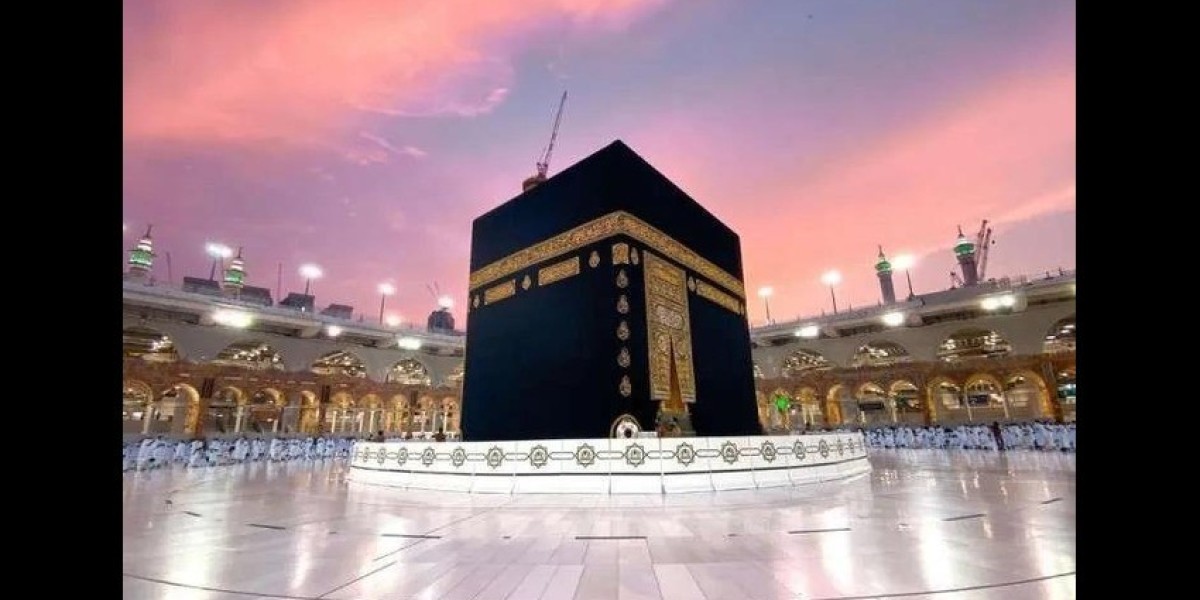

Ramadan Umrah is one of the most spiritually uplifting journeys a UK pilgrim can experience. But it is also one of the most crowded periods in Makkah and Madinah, especially during the last ten nights. Overcrowding can drain your energy, limit your worship time, and turn a peaceful pilgrimage into a stressful experience. With Ramadan 2026 expected to begin around 18–19 February 2026, millions of pilgrims will enter the holy cities for worship, taraweeh, qiyam, and Umrah rites. Implementing smart movement strategies, timing, and planning is the key to staying safe, comfortable, and spiritually focused.
This 1000-word, semantically optimized guide provides insider-level tactics for UK pilgrims to navigate crowds effectively and perform Umrah with minimal stress.
The Overcrowding Reality During Ramadan 2026
Ramadan has always been a peak season for Umrah, but the last few years have seen historically high attendance. For Umrah 2026, authorities expect even larger numbers due to streamlined visas, more UK flights, and enhanced accessibility in both Makkah and Madinah.
Crowding peaks particularly during:
- Taraweeh and Qiyam-ul-Layl prayers
- The last 10 nights, especially 27th Ramadan
- Iftar and Suhoor times inside and around the Haram
- Fridays, which attract additional non-resident worshippers
- Post-Fajr hours, when pilgrims flock for Qur’an recitation
Understanding these patterns helps you create a worship itinerary that avoids major bottlenecks.
Smart Travel Timing: When UK Pilgrims Should Arrive and Leave
One of the easiest ways to reduce crowd exposure is to choose travel dates strategically.
1. Arrive before Ramadan begins
Reaching Makkah 3–5 days before Ramadan:
- Helps you settle, acclimate, and shop before crowds grow
- Allows you to complete your first Umrah with less congestion
- Gives you time to adjust your fasting routine in Saudi weather
2. Avoid landing in Saudi Arabia during the first Friday of Ramadan
Fridays always magnify congestion. Arriving on a midweek date ensures:
- Shorter immigration queues
- Smoother baggage handling
- Easier access to taxis or hotel transfers
3. For last 10 nights: travel early or choose a non-peak departure
If you are targeting the most blessed nights but want to avoid the heaviest crowds:
- Arrive by Ramadan 15–17 to settle before the surge
- Alternatively, choose nights 20–25, avoiding the rush around 27th
4. Depart after Eid crowds thin
Leaving 2–3 days after Eid reduces airport congestion dramatically.
Accommodation Strategy: Location Matters More Than Luxury
A major mistake UK pilgrims make is choosing hotels based solely on price. During Ramadan, especially in the last 10 nights, the distance to Haram determines how much crowd exposure you encounter daily.
For Makkah:
- Stay as close to the Haram as your budget allows, ideally within 300–600 metres.
- Avoid “Haram View” hotels far uphill unless you’re prepared for steep walking.
- Choose hotels connected to malls (e.g., Clock Tower complex) for safer indoor movement.
For Madinah:
- Any hotel in the North or West side of Masjid an-Nabawi is ideal.
- Avoid hotels behind bus stations; crowd dispersion is uneven there.
Insider Tip:
Book from a reputable UK Umrah operator early to secure rooms on lower floors—lifts become extremely congested around prayer times.
Performing Umrah Without the Crowds: Best Times and Routes
Completing Umrah smoothly requires careful timing and route planning.
Best times to perform Tawaf with minimal crowding
- After Isha (10 PM–1 AM)
- After Taraweeh, once crowds disperse
- Late at night, between 1 AM and 3 AM
- Between Dhuhr and Asr on non-Friday days
Avoid:
- 1 hour before Adhan
- Post-Fajr rush
- Thursday night (crowds prepare for Friday)
Use the upper levels wisely
While the Mataaf at ground level is the spiritual centre, it is the most crowded. Using:
- 1st floor Mataaf
- Roof level, especially late at night
gives you more space, smoother movement, and less pushing.
Begin Sa’i strategically
Sa’i between Safa and Marwah is usually less congested:
- Early afternoon
- After midnight
- Right after you finish Tawaf during off-peak hours
Even at maximum capacity, Sa’i has more walking space than the Mataaf.
Prayer Planning: How to Navigate Haram Crowds Safely
Getting into the Haram just before the Adhan is nearly impossible during Ramadan. You need a smart plan.
For Makkah
- Arrive 60–90 minutes before Taraweeh to secure a space.
- For Fajr, reach the mosque 45 minutes before Adhan.
- For Jumu’ah, aim for 2–2.5 hours before.
For Madinah
Masjid an-Nabawi handles crowds better, but entrance gates get blocked before major prayers. Choose:
- Gates 6–17 for men
- Gates 25–29 for women
These typically have smoother movement.
Avoiding crowd crush zones
Never stand near:
- Escalators
- Bridge entry points
- Zamzam refill areas during peak hours
These choke points often create sudden pressure from incoming worshippers.
Movement Management: How to Walk, Rest, and Navigate Safely
Overcrowding stress increases when movement becomes tiring. A simple mobility plan helps you stay energised.
Plan rest windows
Do not pray every prayer inside the Haram on crowded days. Alternate:
- Some prayers in the Haram
- Some in your hotel prayer area
This prevents fatigue and frustration.
Use side streets and less busy gates
In Makkah, entering through:
- Gate King Fahd
- Gate Ajyad
- Gate Marwah
often reduces congestion.
In Madinah, avoid the central green dome area during exits; use outer corridors instead.
Stay hydrated
Ramadan in Saudi Arabia may still have warm daytime temperatures. Dehydration leads to dizziness in crowds. Hydrate between iftar and suhoor consistently.
Technology Tools UK Pilgrims Should Use
Digital tools help you act smarter and avoid peak-hour chaos.
Nusuk App
- Crowd estimates
- Gate notifications
- Tawaf and prayer zoning updates
- Transport and guidance features
Google Maps / Apple Maps
Shows walking routes to less crowded gates.
Local taxi apps (Uber/Careem)
Help avoid long queues outside Haram after prayers.
Notes app on your phone
Record your hotel address, gate numbers, and group meeting points.
Health and Safety in Overcrowded Conditions
Crowds can raise the risk of exhaustion and minor injuries. Protect yourself with simple precautions:
- Wear comfortable footwear; you may walk 10,000–20,000 steps daily.
- Use a waist pouch instead of backpacks that get in others’ way.
- Keep basic items: bandages, pain relief medication, hydration salts.
- If with elderly family members, consider renting a wheelchair or hiring a licensed wheelchair assistant.
Best Crowd-Free Moments for Worship and Reflection
You don’t need to be physically inside the mosque for every spiritual moment. You can maximize peace by choosing calmer settings:
- Pray Sunnah and nafl in quiet hotel prayer rooms.
- Read Qur’an in your room between Dhuhr and Asr.
- Make dua on rooftops or quiet corners of hotel lobbies.
- Visit the Haram early morning for tranquility after post-Fajr rush ends.
This balanced approach prevents burnout while enhancing the quality of your worship.
Final Thoughts: A Peaceful Ramadan Umrah 2026 Is Possible
Overcrowding is a reality, but stress and chaos do not have to be part of your Umrah experience. With the right arrival timing, smart prayer scheduling, strategic hotel selection, safe movement routes, and digital tools, UK pilgrims can perform Umrah smoothly and peacefully—even during the busiest nights of Ramadan.