
Managing a fleet today is more than just keeping trucks moving; it’s about staying compliant, efficient, and profitable. One of the biggest challenges for fleet owners and managers is preparing for DOT Truck Inspections. Failing an inspection can cost you money, time, and credibility, and nobody wants that. For a Logistics Hustler, staying ahead of compliance isn’t optional; it’s a necessity.
In this guide, we’ll share practical, actionable tips for keeping your fleet inspection-ready, reducing downtime, and protecting your bottom line. Whether you’re an owner-operator with a handful of trucks or managing a mid-sized fleet, these insights will help you run a smoother operation in 2026.
Why DOT Inspections Are Critical
DOT inspections aren’t just a paperwork hassle; they’re designed to keep roads safe, drivers compliant, and cargo secure. Missing minor maintenance issues or ignoring driver documentation can quickly turn into bigger problems during an inspection.
For fleets, every hour a truck is off the road is lost revenue. Proactive inspection preparation ensures your trucks are safe, your drivers are compliant, and your business stays profitable. Think of inspections as a way to identify issues before they turn into expensive breakdowns or fines.
Focus Areas for DOT Inspections
Knowing what inspectors pay attention to is half the battle. Here’s what matters most:
1. Brakes and Air Systems
Brakes are a top priority for inspectors. Make sure to check:
Brake pads and shoes for wear
Air brake functionality
Lines for leaks or damage
Proper adjustment of brakes
Regular maintenance prevents costly failures and keeps your fleet compliant.
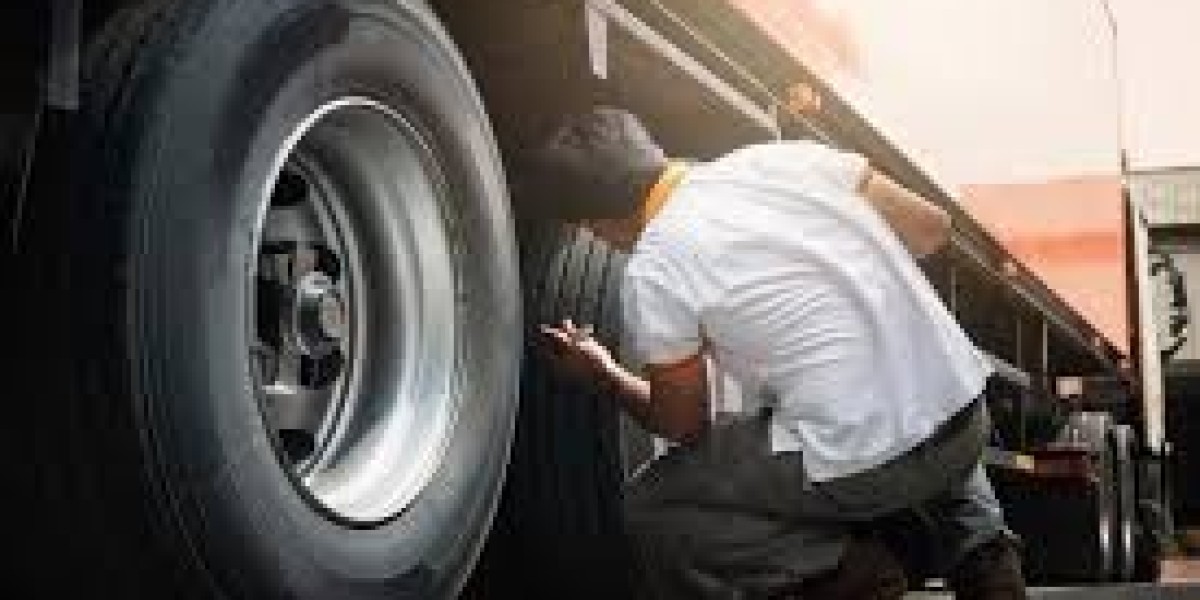
2. Tires, Wheels, and Alignment
Inspectors will look at tires closely. Keep these in mind:
Proper tire pressure
Tread depth and wear
Bulges, cuts, or uneven wear
Wheel alignment and lug nuts
Healthy tires reduce breakdowns and improve fuel efficiency.
3. Lights and Electrical Systems
Lighting issues are a common reason for inspection failures. Check:
Headlights, brake lights, and turn signals
Marker lights and reflectors
Wiring for corrosion or damage
A quick pre-trip check can prevent a lot of headaches.
4. Steering and Suspension
A worn steering or suspension system is dangerous and can fail inspections. Look at:
Ball joints, tie rods, and linkages
Shocks, springs, and airbags
Frame alignment
Maintaining these systems improves ride quality, reduces wear on other components, and protects your drivers.
5. Emissions and Exhaust
Environmental compliance is part of DOT regulations:
No leaks in the exhaust system
Proper functioning of emissions control devices
Compliance with federal and state emissions rules
Staying on top of emissions helps avoid fines and keeps your fleet green.
6. Cargo Securement
For freight haulers, cargo securement is critical:
Tie-downs, chains, and straps in good condition
Evenly distributed cargo
Compliance with weight limits
Properly secured loads protect drivers, reduce liability, and ensure deliveries stay safe.
7. Driver Documentation
DOT inspectors also review driver paperwork:
Valid CDL and endorsements
Hours-of-service logs
Medical certifications
Ensuring your drivers have up-to-date documents can prevent unexpected penalties.
Practical Tips to Stay Inspection-Ready
Being inspection-ready doesn’t have to be a headache. Here are actionable strategies:
Schedule Regular Maintenance
Create a maintenance calendar covering brakes, tires, suspension, lights, and engines. Track repairs digitally or on paper so nothing gets missed. A consistent routine keeps trucks in top shape and inspections stress-free.
Conduct Pre-Trip Checks
Encourage drivers to perform a thorough pre-trip inspection. A 15–20 minute check of key systems can catch issues early and avoid breakdowns. Document these inspections to show DOT inspectors that your fleet is proactive.
Train Your Drivers
Drivers are your first line of defense. Make sure they understand DOT requirements, know what to inspect, and report issues promptly. Well-trained drivers reduce risk and save you time on inspections.
Leverage Technology Smartly
Even if you’re not a full TMS user, technology can help:
Mobile apps for pre-trip checklists and maintenance logs
Tracking systems to schedule repairs and monitor compliance
QuickBooks or similar software to track inspection-related expenses
Simple tools that save paperwork and provide proof of compliance are worth the investment.
Keep Organized Records
Maintain detailed logs of maintenance, repairs, inspections, and driver certifications. Organized records reduce stress during inspections and demonstrate professionalism to inspectors.
Partner with Trusted Repair Services
Even with routine checks, issues can pop up. Having reliable truck repair services ready ensures quick fixes, reduces downtime, and keeps your fleet compliant.
Common Pitfalls to Avoid
Even experienced fleet managers make mistakes. Watch out for:
Ignoring minor maintenance issues until inspection day
Losing track of inspection documents or maintenance logs
Overlooking driver training updates
Neglecting cargo securement checks
Avoiding these mistakes keeps your fleet running efficiently and compliant at all times.
Benefits of Proactive DOT Compliance
Being prepared for DOT Truck Inspections offers multiple advantages:
Reduced Downtime: Fewer failures mean trucks stay on the road.
Lower Costs: Preventive maintenance is cheaper than emergency repairs or fines.
Better Driver Morale: Drivers trust vehicles that are safe and reliable.
Stronger Reputation: Reliable, compliant fleets attract better customers and loads.
By making inspection readiness part of your regular fleet routine, you protect your business, improve efficiency, and reduce stress for both you and your drivers.
Final Thoughts
DOT compliance doesn’t have to feel like a constant uphill battle. With scheduled maintenance, pre-trip inspections, organized records, driver training, and the smart use of technology, you can stay ahead of inspections and keep your fleet rolling. Remember, DOT Truck Inspections aren’t just about avoiding fines; they’re about safety, efficiency, and protecting your bottom line. For a Logistics Hustler in 2026, proactive compliance is a smart business move, helping you save time, money, and headaches while keeping your drivers and customers happy.