
What is glaucoma?
Glaucoma refers to a group of conditions that damage the optic nerve fibers, located at the back of the eye. The main cause is usually an imbalance between the production and drainage of aqueous humor, a clear fluid that circulates in the front of the eye. When this fluid doesn't drain properly, it accumulates and increases intraocular pressure, gradually damaging the optic nerve.
There are two main types of glaucoma:
- Open-angle glaucoma: This is the most common form, accounting for approximately 90% of cases. It develops slowly and painlessly. The eye's drainage channels become less efficient, leading to increased pressure. Because it progresses silently, vision loss often goes unnoticed until the disease is advanced.
- Angle-closure glaucoma: This type of glaucoma occurs when the drainage angle between the iris and cornea becomes blocked. It can appear suddenly, causing a rapid increase in intraocular pressure. Symptoms may include severe eye pain, headaches, nausea, and blurred vision. This is a medical emergency, as damage can occur within hours.
Other less common types include normal-tension glaucoma, where damage to the optic nerve occurs despite normal eye pressure, and secondary glaucoma, caused by eye injuries, inflammation, or other medical conditions.
Symptoms of Glaucoma
One of the reasons glaucoma is so dangerous is that it is often asymptomatic in its early stages. The disease can progress for years without any noticeable signs, and by the time vision problems appear, the damage is usually irreversible.
However, depending on the type and stage, some symptoms may include:
- Progressive loss of peripheral vision
- Blurred or irregular vision
- Eye pain or discomfort
- Halos or multicolored circles around lights
- Redness of the eyes
- Headache or a feeling of pressure behind the eyes
- Nausea and vomiting (especially in cases of acute angle-closure glaucoma)
In advanced stages, glaucoma can affect central vision, making it difficult to read, drive, or recognize faces. Since symptoms often appear late, regular eye exams are the best way to detect glaucoma early.
What are the causes and risk factors for glaucoma?
The main cause of glaucoma is damage to the optic nerve due to increased intraocular pressure. However, even when eye pressure is normal, other factors, such as poor blood circulation or a genetic predisposition, can also contribute to this damage.
Several risk factors increase the likelihood of developing glaucoma. Age is a major factor: the risk increases significantly after age 40 and continues to rise with age. People with a family history of glaucoma are more likely to inherit the disease. Ethnicity also plays a role, with higher risk for people of African, Asian, or Hispanic descent. Other contributing factors include diabetes, high blood pressure, prolonged use of corticosteroids, and a history of eye trauma. People with thin corneas or structural abnormalities of the eye are also more vulnerable.
How is glaucoma diagnosed?
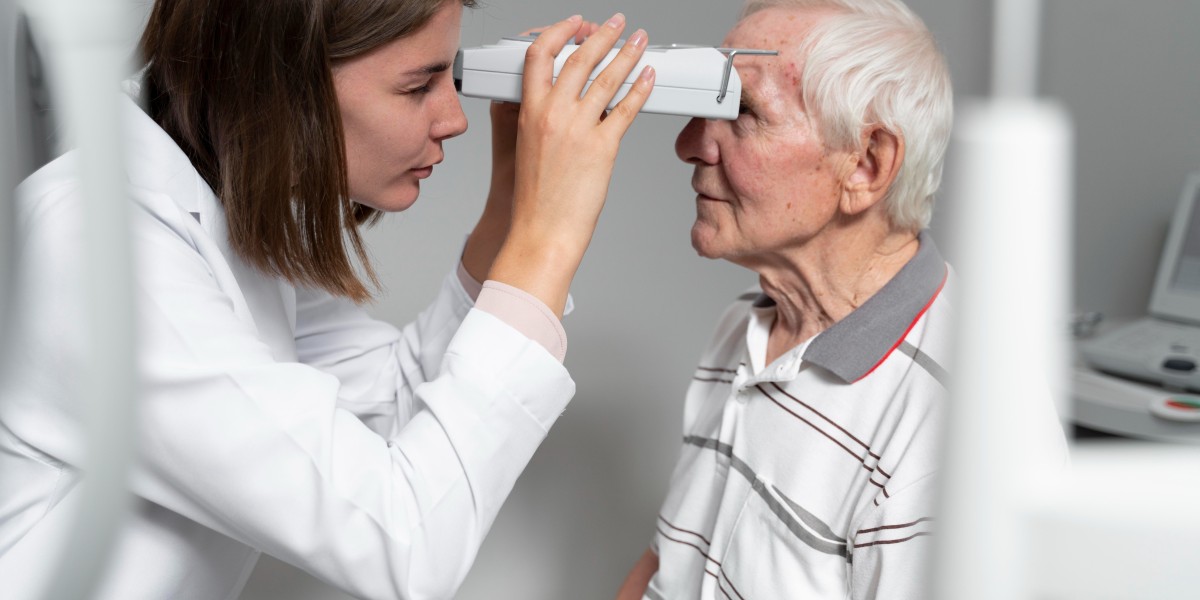
Because glaucoma often develops without symptoms, regular eye exams are essential for early detection, especially for people over 40 or with a family history of the disease. During a comprehensive eye exam, a specialist uses various diagnostic tools to look for early signs of glaucoma.
Common diagnostic tests include:
- Tonometry: Measures intraocular pressure.
- Ophthalmoscopy: Allows the doctor to examine the optic nerve and detect any damage.
- Perimetry (visual field test): Detects scotomas and measures peripheral vision.
- Gonioscopy: Examines the iridocorneal angle to determine the type of glaucoma.
- Optical coherence tomography (OCT): Produces detailed images of the optic nerve and retina to detect thinning or damage.
These tests are quick, painless, and highly effective at identifying glaucoma before significant vision loss occurs. Early detection of glaucoma is crucial, as once vision is lost, it cannot be recovered.
Glaucoma Treatment
Although glaucoma is incurable, it can be effectively controlled to prevent further vision loss. The primary goal of treatment is to lower intraocular pressure (IOP), thereby reducing pressure on the optic nerve. Treatment plans vary depending on the type and severity of glaucoma, as well as the patient's overall eye health and medical history.
First-line treatment for most patients involves medication, usually in the form of prescription eye drops. These drops help reduce fluid production within the eye or improve drainage, thus lowering pressure. Commonly prescribed medications include prostaglandin analogs, beta-blockers, and carbonic anhydrase inhibitors. Regular use of these medications is essential, as irregular application can cause fluctuations in eye pressure and worsen optic nerve damage.
If medication does not adequately control eye pressure, laser treatment may be considered. Laser trabeculoplasty is frequently used for open-angle glaucoma to improve fluid drainage through the eye's natural channels. For angle-closure glaucoma, a procedure called laser iridotomy creates a small opening in the iris to facilitate the flow of aqueous humor and reduce intraocular pressure. Laser treatments are quick, minimally invasive, and can significantly slow the progression of the disease.
Living with Glaucoma
Living with glaucoma requires a commitment to ongoing treatment and regular eye exams. While vision loss from glaucoma is irreversible, most patients can maintain useful vision throughout their lives with proper care. Following the doctor's instructions, using prescribed eye drops regularly, and attending medical appointments are essential to prevent further damage to the optic nerve.
Family support, psychological therapy, and visual aids can make daily life easier for people with significant visual impairment. Many patients find comfort in joining support groups or visual rehabilitation programs, which offer emotional support and practical strategies for adapting to changes in vision. With a good understanding of the disease, rigorous management, and medical follow-up, it is entirely possible to lead a full and independent life despite having glaucoma.
Visit here: Royalpharmacart