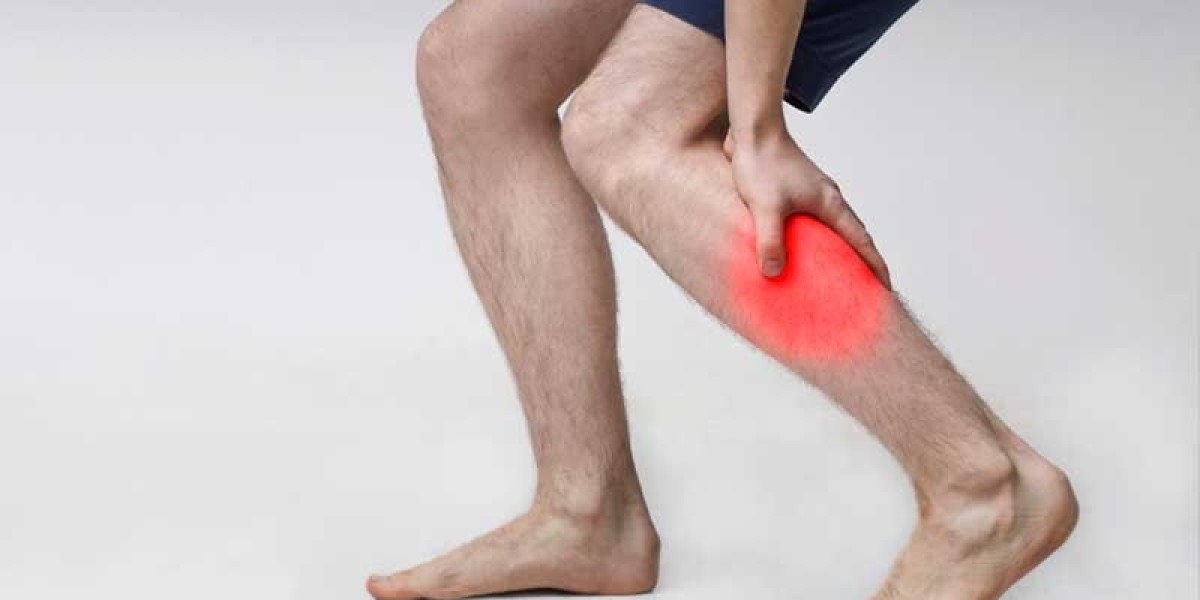

Leg pain is a common issue that affects people of all ages. Whether it comes from long hours of standing, physical activity, stress, or everyday wear and tear, leg pain can interrupt your comfort and daily routine. Many people ignore leg pain until it worsens, but understanding its causes and learning simple habits can make a big difference.
This friendly, easy-to-read guide explores what causes leg pain, how daily habits influence it, and what you can do to support long-term comfort. With the right approach, you can reduce discomfort and enjoy easier movement throughout your day.
Why Leg Pain Happens
Leg pain can come from many different sources. Sometimes it’s a sign that the muscles are tired. Other times, it may be related to joints, circulation, posture, or general strain. In most cases, leg pain is common and manageable with gentle care.
Leg pain may appear as:
- Aching
- Stiffness
- Cramping
- Sharp discomfort
- Swelling
- Restless feelings
- Heavy or tired legs
Understanding these sensations helps you build a better plan to care for your leg health.
Common Causes of Leg Pain
Several everyday reasons can lead to leg pain. These causes help explain why the discomfort appears and how you can reduce it.
1. Muscle Fatigue
Simple overuse is one of the most common reasons for leg pain. Activities like walking long distances, climbing stairs, exercising, or even standing for hours can tire the muscles.
When muscles are tired, they tighten and become sore. This can make your legs feel heavy and achy.
2. Poor Posture or Body Alignment
Leg pain often results from how we sit, stand, and walk. Poor posture can place uneven pressure on the legs, causing discomfort over time.
Daily habits like crossing your legs for long periods, slouching, or standing unevenly can contribute to leg pain without you noticing.
3. Lack of Movement
Sitting or lying down for long periods can also cause leg pain. When muscles stay still for too long, they tighten and lose flexibility.
This type of leg pain is common for those who work at desks, drive long distances, or spend a lot of time sitting indoors.
4. Overexertion During Exercise
Physical activity is good, but doing too much too quickly can lead to leg pain. Increasing your workout intensity too fast may strain the muscles and joints.
This can lead to temporary soreness, which is a normal sign that your body needs rest.
5. Circulation Issues
Sometimes, leg pain occurs when blood flow is not as smooth as it should be. Poor circulation may cause heaviness, tingling, or aching sensations.
Gentle movement and stretching can often help improve comfort.
6. Stress and Tension
Stress affects the whole body, including the muscles. When you're stressed, your body tends to tighten up, which may increase leg pain, especially in the calves and thighs.
Relaxation techniques can help reduce this tension.
Everyday Habits That Help Reduce Leg Pain
Small changes in your routine can support long-term comfort and reduce leg pain naturally. These habits are simple and easy to apply.
1. Gentle Stretching
Stretching improves flexibility and reduces tightness. Even five minutes a day can help relieve leg pain.
Helpful stretches include:
- Hamstring stretch
- Calf stretch
- Quadriceps stretch
- Gentle side lunges
Stretching helps muscles relax and improves movement.
2. Stay Active
Regular movement keeps your blood flowing and your muscles strong. You do not need intense exercise to reduce leg pain; simple movement works well.
Try:
- Walking
- Light jogging
- Cycling
- Yoga
- Slow dancing
Just a little activity each day can help reduce stiffness and support better leg comfort.
3. Take Breaks From Sitting
Long sitting sessions can cause leg pain. Try to take short breaks every 30–60 minutes.
During your break, you can:
- Stand up
- Stretch your legs
- Walk around for a minute
This improves circulation and reduces stiffness.
4. Stay Hydrated
Drinking enough water helps muscles work better and reduces the risk of cramping, which is a common cause of leg pain.
Aim to sip water throughout the day to support muscle comfort.
5. Use Proper Posture
Good posture reduces strain on the legs. This includes keeping your shoulders relaxed, your back straight, and avoiding pressure on one side of your body.
Proper posture supports natural alignment and reduces leg pain caused by uneven pressure.
6. Warm Baths or Heat Packs
Warmth relaxes tense muscles and improves comfort. A warm bath at the end of the day can reduce leg pain and encourage better sleep.
Heat packs are useful for:
- Soreness
- Tightness
- General discomfort
Always use warmth safely and gently.
7. Cool Compresses for Swelling
If the legs feel swollen or inflamed, a cool compress may help.
This method is helpful when leg pain follows:
- Long walks
- Intense exercise
- Standing too long
Cool temperatures help calm irritation.
Foods That Support Stronger Legs
Nutrition plays an important role in leg health. Eating certain foods can support muscles, bones, and circulation, all of which help reduce leg pain.
Helpful foods include:
- Leafy greens
- Bananas
- Nuts and seeds
- Yogurt
- Whole grains
- Berries
- Beans and lentils
These foods provide essential nutrients that support muscle strength and overall comfort.
Simple Exercises to Support Leg Health
Strengthening leg muscles can reduce leg pain over time. These exercises are gentle and easy for most people.
1. Leg Lifts
- Lie on your back
- Lift one leg slowly
- Hold for a few seconds
- Lower gently
This strengthens the thigh muscles.
2. Calf Raises
- Stand with feet hip-distance apart
- Lift your heels
- Hold for a moment
- Lower slowly
This improves calf strength and circulation.
3. Seated Foot Flexing
- Sit comfortably
- Point your toes forward
- Pull them back toward you
- Repeat gently
This helps reduce stiffness in the lower legs.
4. Ankle Circles
- Lift one foot off the floor
- Rotate your ankle in slow circles
- Switch directions
This supports flexibility and reduces tension.
The Role of Sleep in Reducing Leg Pain
Good sleep allows your body to repair daily stress. Without enough rest, muscles stay tense, which may worsen leg pain.
To support better sleep:
- Keep a consistent sleep routine
- Avoid screens before bed
- Use comfortable pillows and bedding
- Stretch lightly before sleeping
Rested muscles are healthier and less prone to pain.
How Stress Affects Leg Pain
Stress causes the body to tighten, which can worsen leg pain. This can be reduced with:
- Deep breathing
- Meditation
- Gentle stretching
- Music
- Relaxing walks
A calmer mind helps create a more relaxed body.
Environmental Factors That Influence Leg Pain
Your surroundings can affect how your legs feel.
Footwear:
Uncomfortable shoes can strain your legs. Choose supportive, comfortable footwear whenever possible.
Temperature:
Cold temperatures can stiffen muscles; warmth helps them relax.
Work Environment:
Hard floors or long hours standing can increase leg pain. Soft floor mats or short walking breaks can help.
Building a Leg-Friendly Daily Routine
A routine that supports leg health can reduce leg pain and improve comfort:
- Start your day with stretching
- Take movement breaks
- Drink water regularly
- Practice good posture
- Use gentle heat if needed
- End your day with light stretching
These small steps add up to long-term comfort.
Common Myths About Leg Pain
Myth 1: Leg pain means something is seriously wrong
Fact: Leg pain is often related to daily habits, posture, or minor strain.
Myth 2: Resting is the only solution for leg pain
Fact: Gentle movement often helps reduce discomfort.
Myth 3: Only older adults experience leg pain
Fact: People of all ages can experience leg pain from lifestyle factors.
Understanding these myths helps you make better choices for comfort.
Final Thoughts
Leg pain is common, but with simple habits and small changes, you can support stronger, more comfortable legs every day. By stretching regularly, staying active, maintaining good posture, drinking enough water, and using warmth or coolness when needed, you can reduce leg pain naturally and enjoy easier movement.
Healthy legs support an active and confident life. Taking small steps today helps build lasting comfort for the future.
This product is very helpful for this problem.