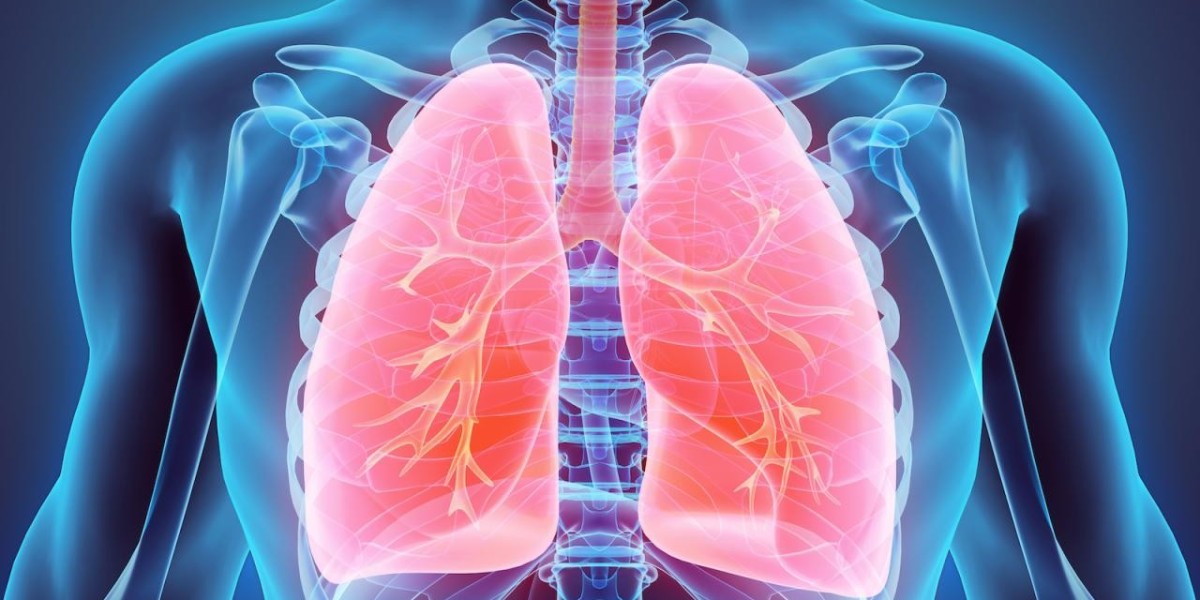

Respiration is the process that keeps every cell in the body alive, and yet very few people pay attention to the condition of their lungs until problems appear. Maintaining respiratory health is not just about avoiding illness but also supporting energy levels, brain function, sleep quality, and physical endurance. Your lungs work from the moment you are born to your last breath, so understanding how to care for them is one of the most valuable investments you can make in lifelong well-being.
Why Respiratory Health Matters
Good respiratory health ensures that oxygen moves efficiently into your bloodstream and carbon dioxide exits your body. When the lungs are inflamed, congested, or exposed to harmful pollutants, your ability to breathe freely can decline. Even mild breathing difficulties can interfere with daily activities, exercise, mood, and sleep.
The respiratory system includes your nose, throat, windpipe, and lungs. When any of these structures become irritated or infected, breathing becomes harder and oxygen transport decreases. Poor respiratory health can lead to fatigue, dizziness, increased heart strain, and reduced immunity. This is why protecting the lungs is not only a comfort issue, but a foundation of overall bodily function.
Everyday Habits for Stronger Lungs
You do not need complicated routines or medical-level training to support your lungs. A few consistent adjustments can safeguard respiratory health and keep airways clear.
1. Practice Clean Air Breathing
Indoor and outdoor air quality affects your lungs each time you inhale. Dust, smoke, fumes, and invisible pollutants can irritate the lining of the airways. Improving ventilation, opening windows when possible, reducing indoor chemicals, and avoiding smoky environments are simple but powerful steps in protecting respiratory health.
2. Stay Physically Active
Movement helps the lungs expand fully and improves oxygen exchange. Activities like walking, stretching, light aerobic exercise, or gentle cycling encourage deeper breathing and strengthen respiratory muscles. Aim for consistent motion rather than intense workouts. Even small bursts of movement during the day can enhance respiratory health over time.
3. Focus on Hydration
Water keeps mucus thin and helps your lungs clear particles and allergens more effectively. When hydration is low, mucus thickens and airway congestion becomes more common. Simply drinking enough fluids each day supports lung comfort and improves breathing, contributing to better respiratory health naturally.
4. Practice Deep Breathing
Short, shallow breaths limit the volume of oxygen uptake. Deep breathing exercises expand the lungs, improve diaphragm strength, and support relaxation. Try inhaling slowly through the nose, holding for a few seconds, and exhaling gently through the mouth. Just a few minutes daily can make a noticeable difference in respiratory health and stress reduction.
Environmental Awareness and Prevention
Environmental triggers play a huge role in long-term lung function. Being mindful of surroundings can prevent irritation before it begins.
Avoid Common Irritants
Smoke, heavy dust, harsh cleaning chemicals, and frequent exposure to strong fragrances can inflame the airways. Even mild irritation, if repeated daily, can reduce respiratory health over the years. Simple choices—like using gentler cleaners, increasing airflow, and minimizing exposure to heavy fumes—help keep breathing smooth and lungs calm.
Seasonal Breathing Tips
During colder months, dry air can tighten the respiratory passages, making breathing feel strained. Warmer weather may increase pollen, mold, and airborne particles. Adjusting your environment to the seasons—such as using humidifiers in dry months or managing allergens in spring—protects respiratory health and reduces discomfort.
Nutrition and Lung Support
What you eat impacts how well your lungs perform. Foods rich in vitamins and natural antioxidants support tissue repair and reduce inflammation.
Some key supportive choices include:
Fresh fruits and vegetables
Warm soups and herbal infusions
Fiber-rich grains and leafy greens
Natural sources with gentle respiratory support properties
A balanced approach protects the lung lining, supplies oxygen more efficiently, and strengthens respiratory health as you age.
Rest and Recovery
Sleep is an often-overlooked part of lung function. During rest, your body heals microscopic tissue damage and resets breathing rhythms. Poor sleep can lead to shallow breathing patterns and reduced oxygen flow.
Creating a calming nighttime environment—cool air, low lighting, and quiet surroundings—helps your breathing remain steady and relaxed. Quality sleep supports not only mood and concentration but also long-term respiratory health.
When to Be More Attentive
Regular coughing, chest tightness, wheezing, or ongoing congestion should not be ignored. These could be signs that your lungs need more support. Listening to your body is essential, especially if symptoms persist.
Breathing should feel natural, steady, and effortless. If it doesn’t, giving attention to lifestyle habits, air quality, and hydration can make meaningful improvements in respiratory health without complicated interventions.
The Power of Consistency
Supporting your lungs is less about single actions and more about daily habits. Small behavioral shifts can reduce irritation, improve oxygen flow, and keep airways clearer for years to come. Each breath is a reminder that the lungs never rest—so treating them with steady care preserves vitality and long-term wellness.
By focusing on clean air, movement, hydration, gentle nutrition, lung exercises, and restorative sleep, your breathing becomes smoother, energy increases, and your body functions more comfortably. Protecting respiratory health is a lifelong practice, and the sooner you start, the greater the benefits.