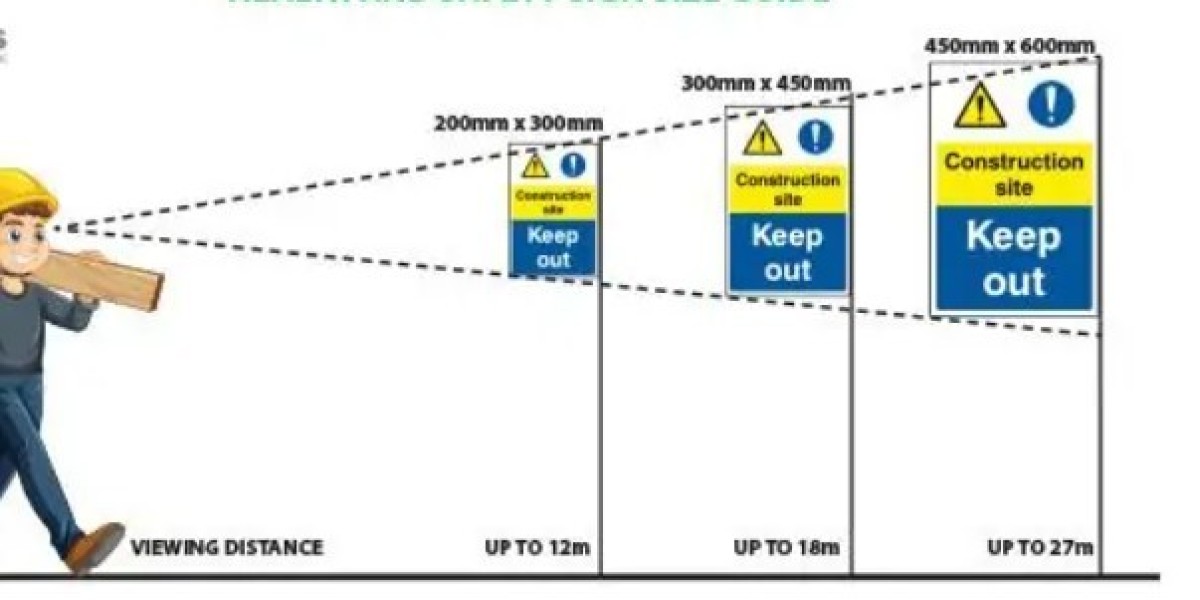

Safety signage is one of the most visible and effective methods to protect workers and visitors on a construction site. Large construction sites present numerous hazards, from moving machinery and heavy loads to falling debris and electrical risks. To minimise accidents and comply with legal obligations, displaying the correct safety signs in the right locations is essential. Understanding the requirements for mandatory safety signage ensures that all personnel are aware of risks and that the site maintains compliance with health and safety regulations. Proper signage is not just a legal requirement—it is a vital component of a proactive safety culture.
Understanding Mandatory Safety Signage
Mandatory safety signs are those that indicate actions that must be followed to reduce risks and protect workers. These include signs instructing personnel to wear personal protective equipment (PPE), such as hard hats, high-visibility jackets, gloves, and safety boots. Other mandatory signs indicate specific behaviours, such as “No Entry” zones, “Keep Out of Reach of Children,” or areas where machinery operation is restricted.
Completing a Health and Safety in a Construction Environment Course helps site managers and workers understand the classifications, colours, and symbols used in mandatory signage. This training ensures that everyone on site can interpret safety signs correctly, even if English is not their first language. Proper understanding reduces confusion and improves overall compliance with workplace safety rules.
Legal Requirements and Standards
Displaying safety signage is not optional; it is a legal requirement under UK regulations, including the Health and Safety (Safety Signs and Signals) Regulations 1996. These regulations specify the types of signs to use, the circumstances in which they are required, and the minimum size and visibility standards. Non-compliance can result in fines, site shutdowns, or increased liability in the event of accidents.
A Health and Safety in a Construction Environment Course provides detailed knowledge about legal obligations, including responsibilities for employers and site supervisors. It covers how to conduct risk assessments to identify where signs are necessary and how to maintain them to ensure they remain visible, legible, and relevant as the construction site evolves.
Placement and Visibility Considerations
On a large construction site, the placement of safety signs is as important as the content. Signs must be positioned where they are clearly visible to workers before they enter a hazardous area or engage in risky activities. Factors such as lighting, sightlines, and distance from the hazard must be considered to ensure maximum effectiveness.
Training through a Health and Safety in a Construction Environment Course teaches site managers how to conduct thorough site walks to determine strategic sign placement. Proper positioning prevents accidental non-compliance and ensures that warnings are noticed in time to influence safe behaviours. It also helps new workers and visitors quickly understand the risks and required precautions.
Regular Maintenance and Updates
Safety signage is only effective if it is maintained properly. Weather conditions, construction activities, and site rearrangements can damage or obscure signs, reducing their visibility and effectiveness. Regular inspection and replacement of worn or faded signs is essential for ongoing compliance.
A Health and Safety in a Construction Environment Course emphasises the importance of a maintenance schedule for all safety signage. This includes checks for damage, cleaning signs to keep them readable, and updating signage as new hazards appear during different phases of construction. Continuous attention to signage contributes to a culture of safety and reduces the likelihood of accidents caused by overlooked hazards.
Staff Training and Awareness
While signage provides critical instructions, workers must be trained to understand and follow them correctly. Displaying signs without adequate staff training can lead to misunderstandings, non-compliance, and accidents. Training ensures that all personnel know the meaning of symbols, the importance of PPE, and the behaviours required in specific areas.
A Health and Safety in a Construction Environment Course equips workers and supervisors with the knowledge to interpret and act upon signage effectively. It also reinforces the importance of reporting damaged or missing signs. By combining signage with comprehensive training, construction sites create an environment where safety messages are understood, respected, and acted upon consistently.
Integrating Signage into a Broader Safety Management System
Mandatory safety signage should not exist in isolation. It is part of a broader safety management system that includes risk assessments, site inductions, PPE protocols, and emergency procedures. Proper integration ensures that signage supports other safety measures and that all site personnel receive consistent messages about hazards and safe practices.
A Health and Safety in a Construction Environment Course guides managers in embedding signage into the overall safety strategy. This ensures that signs complement written procedures, toolbox talks, and safety briefings. When signage is integrated into a holistic approach, it becomes an effective tool for accident prevention and regulatory compliance.
Conclusion
Mandatory safety signage is a critical element of maintaining a safe construction site, particularly for large and complex projects. Understanding legal requirements, ensuring proper placement, maintaining visibility, and integrating signage with staff training and broader safety systems are all necessary steps to protect workers and visitors.