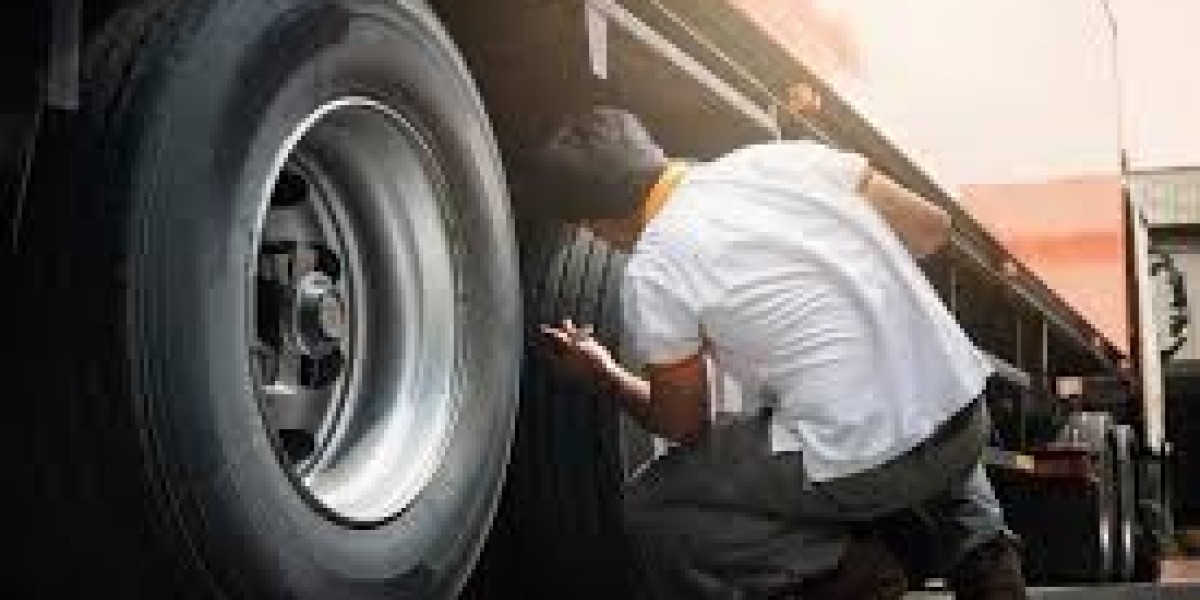

Running a fleet is a constant balancing act. You’re juggling schedules, fuel costs, driver calls, and tight delivery windows. And when a truck goes down, it hits more than just your schedule; it hits your bottom line. That’s why understanding the difference between traditional shop repairs and mobile fleet repair is critical. For fleets working in and around Atlanta, the availability of Mobile Fleet Repair Atlanta could spell the difference between a roadside repair and a few hours or even days of lost revenue. CS Truck & Trailer has been assisting owner-operators and fleet managers in restoring trucks to the road without causing needless downtime, which saves time and money.
The Challenge With Shop Repairs
The old shop repair methods have their merits - they have access to full-service equipment, expert technicians, and can do complex jobs in controlled conditions. But busy fleets have their downsides:
1. Downtime Costs Add Up Quickly
Each hour that your truck is in a shop, it is lost revenue. In the case of fleets that have tight delivery timetables, a single breakdown can bring a ripple effect to the routes, missed deadlines, and frustrated drivers.
2. Logistics Hassles
Transporting a truck to a shop is not always easy. Hidden costs include tow fees, driver shuffling, and waiting time in busy repair centres.
3. Lack of Flexibility
Repair shops have fixed working hours. Sometimes emergency breakdowns do not fit within the business hours, and sometimes you are left to wait until you get a slot when time is money.
4. Limited Transparency
Many operators don’t like being out of the loop. Watching a technician troubleshoot a problem through phone updates isn’t the same as seeing the fix firsthand.
For a hands-on fleet manager, these factors can quickly become frustrating and expensive
Why Mobile Fleet Repair Works for Busy Operators
Mobile fleet repair flips the script. You do not have to take your truck to the shop: the shop comes to you. CS Truck and Trailer focuses on on-site maintenance, diagnostics, and repairs, allowing trucks to remain in their rightful place on the road.
1. Minimized Downtime
With mobile technicians, most repairs happen at your yard, dock, or even on the highway. That means trucks get back to work faster, and delivery schedules remain intact.
2. Cost Transparency
Mobile services often reduce hidden costs like towing or lost driver hours. You pay for the service, not for waiting around.
3. Flexibility and Convenience
It could be a midnight breakdown, weekend emergency or maintenance; mobile technicians can be at your location. This is a massive benefit to fleets operating 24/7.
4. Real-World Problem Solving
Mobile techs often see the truck in its operational environment. This allows them to spot issues that may be missed in a shop, like wiring exposed to weather, load-related wear, or driver-handling habits impacting components.
Common Jobs Mobile Fleet Repair Handles
Mobile technicians today are equipped to handle nearly anything a traditional shop can do. For example:
Brake inspections and replacements
Electrical diagnostics and wiring repairs
Battery and alternator service
Suspension and steering adjustments
AC and HVAC service
Preventive maintenance routines
The mobile team of CS Truck & Trailer will provide you with quality services that will put your fleet to the task when you need to meet your deadlines without interfering with business functions. It may be a small repair or a maintenance check-up, but mobile services can save you days in the shop that may put your trucks out of business.
When a Shop Still Makes Sense
While mobile repair is ideal for downtime reduction, there are situations where a traditional shop is better:
Major Engine or Transmission Overhauls – Some jobs require heavy-duty lifts, extensive diagnostic tools, or long-term bench work.
Custom Fabrication or Body Work – Things like welding frame parts or large-scale body repair may be more efficient in a fully equipped shop.
Insurance or Warranty Requirements – Certain repairs may require certified shop work for documentation purposes.
The point is to understand what jobs can be done on-site, and which need a shop. A moderate approach will provide efficiency without affecting quality.
Preventive Maintenance: The Best of Both Worlds
One of the biggest advantages of mobile repair is how it complements preventive maintenance. Fleets that schedule routine inspections and minor fixes with a mobile service often see:
Fewer emergency breakdowns
Reduced towing costs
Longer component life
Less driver frustration
The solution that CS Truck and Trailer suggests is a hybrid: mobile fleet repair should be used as a source of quick fixes, inspections, and PM work, and the shop work should be used to perform heavy-duty work. This plan keeps trucks moving and secures your profit margins.
How to Decide What’s Best for Your Fleet
Here’s a simple framework for choosing between mobile and shop repair:
Urgency: How quickly do you need the truck back in service?
Complexity: Does the repair require specialized shop tools or extensive labour?
Cost vs. Downtime: What’s more expensive, waiting in a shop or paying for on-site repair?
Frequency: Are these one-off breakdowns or recurring maintenance issues?
In most cases, fleets benefit from mobile repair for urgent and routine maintenance and reserve shop visits for large-scale or specialized work.
Final Thoughts
Fleet downtime is the enemy of profitability. For owner-operators, fleet managers, and operations heads, the choice between mobile fleet repair and shop repair isn’t just about convenience; it’s about protecting revenue, schedules, and driver satisfaction. With mobile services like CS Truck & Trailer, fleets gain quick, flexible, and cost-effective solutions right where trucks are parked.
For those operating in Atlanta, reliable Mobile Fleet Repair Atlanta ensures your trucks stay rolling, your drivers stay productive, and your clients stay happy. Preventive maintenance combined with mobile on-site repairs gives you the best of both worlds, keeping your fleet running at a minimum possible downtime and ensuring maximum control over fleet performance.