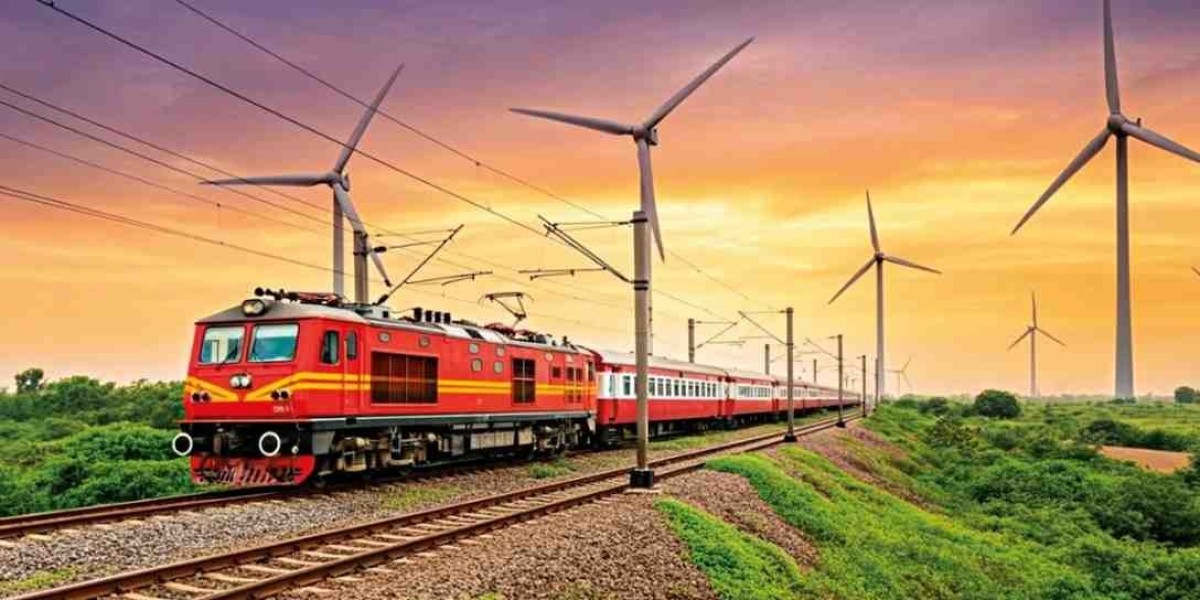

When a patient requires advanced medical treatment beyond what local hospitals can provide, the journey itself becomes as critical as the destination. For families in Bihar, especially in and around Patna, arranging a medically safe transfer over long distances can feel overwhelming. This is where a Train Ambulance in Patna plays a life-saving role—offering ICU-level care, medical supervision, and cost-effective transport across cities and states in India.
Unlike conventional ambulances limited by road conditions or air ambulances that may be financially out of reach, train ambulances strike the perfect balance between medical safety, distance coverage, and affordability.
What Is a Train Ambulance?
A train ambulance is a specially modified railway coach designed to function like a moving ICU. It allows critically ill or stable patients to be transported safely from Patna to major medical hubs such as Delhi, Mumbai, Chennai, Hyderabad, Bengaluru, or Kolkata, without interrupting medical care.
The patient travels on a stretcher or hospital bed inside a reserved coach, accompanied by trained medical professionals and essential life-support equipment.
Why Train Ambulance Services Are Crucial in Patna
Patna is a major healthcare hub in Bihar, but certain complex treatments—advanced neurology, oncology, cardiac surgery, organ transplants—are often available only in metro cities. For patients who are:
- Too unstable for normal travel
- Unable to sit or move for long hours
- Dependent on oxygen, ventilator, or cardiac monitoring
a train ambulance becomes the safest solution.
Key Reasons Families Choose Train Ambulance in Patna:
- Long-distance patient transfer without medical risk
- Continuous monitoring during the entire journey
- Safer than road travel for inter-state transfers
- More economical than air ambulance services
Medical Facilities Available in a Train Ambulance
Modern train ambulance services operating from Patna are equipped to handle both critical and non-critical patients.
Onboard Medical Setup Includes:
- ICU bed or stretcher with safety harness
- Ventilator support (invasive/non-invasive)
- Oxygen cylinders with backup supply
- Cardiac monitor, defibrillator, infusion pumps
- Emergency medicines and suction equipment
Medical Staff on Board:
- Experienced doctor (on request)
- Trained critical care nurse or paramedic
- Patient attendant support
This setup ensures that the patient receives hospital-grade care from departure to arrival.
Train Ambulance Routes Commonly Booked from Patna
Patients are frequently transferred from Patna to:
- Patna to Delhi – for advanced cancer care, neurology, and transplants
- Patna to Mumbai – for cardiac surgeries and oncology treatments
- Patna to Chennai / Bengaluru – for multi-specialty tertiary care
- Patna to Hyderabad / Kolkata – for specialized diagnostics and surgery
The service includes end-to-end coordination, from hospital discharge to final admission at the destination hospital.
How the Train Ambulance Process Works
Families often worry about the complexity of arranging a train ambulance, but the process is structured and professionally managed.
Step-by-Step Process:
- Patient Assessment – Medical condition and stability are evaluated
- Route & Train Selection – Best train based on urgency and availability
- Railway Permissions – Coordination with Indian Railways for coach allocation
- Medical Setup Installation – ICU equipment placed inside the coach
- Ground Ambulance Support – ICU ambulance for station transfers
- Continuous Care During Travel – Monitoring throughout the journey
- Handover at Destination Hospital
Families are kept informed at every stage, reducing stress during an already difficult time.
Who Can Use a Train Ambulance in Patna?
Train ambulance services are suitable for:
- ICU or ventilator-dependent patients
- Stroke, trauma, or brain injury patients
- Cancer patients requiring long-term treatment
- Post-surgery patients needing referral care
- Elderly patients unable to travel normally
- Neonatal or pediatric patients (with proper setup)
Both emergency and planned transfers can be arranged.
Cost of Train Ambulance in Patna
One of the biggest advantages of train ambulance services is affordability.
Cost Depends On:
- Distance and destination city
- Type of medical equipment required
- Number of medical staff traveling
- Type of train (express, superfast, Rajdhani, etc.)
Compared to air ambulances, train ambulances can cost 60–70% less, making them accessible to more families without compromising safety.
Safety and Comfort for Patients and Families
Train ambulances provide a stable environment, minimal turbulence, and ample space—important factors for patients who cannot tolerate sudden movements.
Family members are usually allowed to travel alongside the patient, offering emotional support while medical professionals handle clinical care.
Choosing the Right Train Ambulance Service in Patna
When selecting a provider, families should look for:
- Proven experience in medical rail transfers
- ICU-grade equipment and trained staff
- Transparent pricing with no hidden charges
- 24/7 coordination and support
- Strong hospital and railway coordination
A reliable provider ensures that the patient’s journey is medically safe, timely, and dignified.
Final Thoughts
A Train Ambulance in Patna is more than just a mode of transport—it is a critical healthcare bridge connecting patients to advanced treatment across India. For families facing medical emergencies or planned referrals, this service offers peace of mind, safety, and affordability at a time when every decision matters.
With proper medical support, seamless coordination, and compassionate care, train ambulance services continue to save lives—one journey at a time.