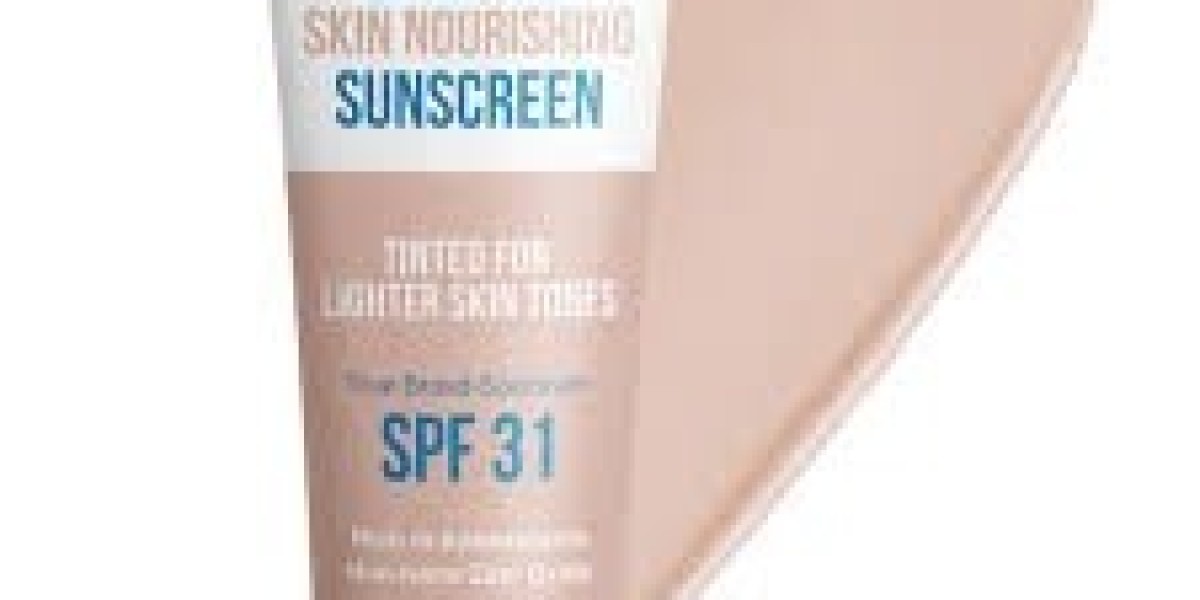

Sun protection is one of the most essential aspects of maintaining healthy skin. With increasing exposure to harmful UV rays, using sunscreen daily is no longer optional it’s a necessity. Among the myriad of options available, EWG Sunscreen stands out for its commitment to safety and effectiveness. The Environmental Working Group (EWG) evaluates products for their ingredients, ensuring they are free from harmful chemicals while still providing adequate protection. Choosing an EWG-approved sunscreen can help you avoid potentially harmful additives while keeping your skin shielded from sun damage.
Understanding the Importance of Sunscreen
How UV Rays Affect Your Skin
Ultraviolet (UV) rays from the sun are responsible for a significant amount of skin damage, including premature aging, sunburn, and an increased risk of skin cancer. There are two main types of UV rays to be aware of: UVA and UVB. UVA rays penetrate deep into the skin, causing long-term damage and wrinkles, while UVB rays primarily affect the surface and are the main cause of sunburn. Sunscreen acts as a barrier, either by reflecting or absorbing these harmful rays, helping maintain healthy skin.
Daily Exposure Matters
Even if you spend most of your time indoors, your skin is still exposed to UV rays through windows and reflective surfaces. Daily application of sunscreen can significantly reduce cumulative UV damage over time. Experts recommend applying sunscreen every morning as part of your skincare routine to ensure continuous protection, even on cloudy days or during winter months.
Choosing the Right EWG Sunscreen
What Makes EWG Sunscreen Different
EWG Sunscreen products are rigorously reviewed for safety and efficacy. The EWG rating system evaluates sunscreens based on ingredients, potential toxicity, and overall effectiveness. By choosing products with an EWG-verified rating, you minimize exposure to harmful chemicals like oxybenzone and octinoxate, which have been linked to hormonal disruption and environmental harm. Additionally, EWG-approved sunscreens often contain physical blockers like zinc oxide and titanium dioxide, which are gentle on sensitive skin and provide broad-spectrum protection.
SPF and Broad Spectrum Protection
When selecting a sunscreen, look for broad-spectrum formulas that protect against both UVA and UVB rays. SPF (Sun Protection Factor) measures the product’s ability to prevent UVB-induced sunburn. For daily use, dermatologists typically recommend an SPF of 30 or higher. However, higher SPF does not mean indefinite protection it’s essential to reapply sunscreen every two hours, or more frequently if swimming or sweating.
Proper Application Techniques
How Much Sunscreen to Use
One of the most common mistakes in sunscreen use is applying too little. For full-body coverage, adults generally need about one ounce (roughly a shot glass) of sunscreen per application. For the face alone, a nickel-sized amount is sufficient. Applying too little diminishes protection and increases the risk of sun damage.
Reapplication and Timing
Sunscreen should be applied 15 to 30 minutes before sun exposure to allow the ingredients to form an effective barrier. Reapplication is crucial, especially after swimming, sweating, or towel drying. Many EWG-approved sunscreens are water-resistant, but this doesn’t eliminate the need for frequent reapplication.
Layering with Other Skincare Products
Sunscreen should be the last step in your morning skincare routine, after moisturizers and serums. If you wear makeup, consider using a sunscreen foundation or applying a layer of sunscreen beneath your makeup. Avoid mixing sunscreen directly with other products, as this can reduce its effectiveness.
Targeted Use for Different Skin Types
Sensitive Skin
Individuals with sensitive skin benefit greatly from mineral-based EWG sunscreens containing zinc oxide or titanium dioxide. These ingredients provide effective sun protection without the risk of irritation or allergic reactions often associated with chemical sunscreens.
Oily or Acne Prone Skin
For oily or acne-prone skin, choose a lightweight, non-comedogenic formula. Gel-based or matte-finish EWG sunscreens can help prevent clogged pores while maintaining adequate sun protection.
Dry Skin
People with dry skin should opt for sunscreens that include moisturizing ingredients like hyaluronic acid or natural oils. These formulations not only protect from UV damage but also help maintain skin hydration throughout the day.
Incorporating Sunscreen into Your Lifestyle
Outdoor Activities
Whether hiking, swimming, or spending time at the beach, sunscreen is essential. For extended outdoor activities, apply a generous layer and reapply every two hours. Consider using additional protective measures like hats, sunglasses, and UV-protective clothing.
Daily Commute and Office Exposure
Even if your day is mostly spent commuting or in an office, daily sunscreen use is still necessary. UVA rays penetrate windows, causing long-term skin damage even indoors. Incorporating sunscreen into your morning routine ensures protection throughout the day.
Supporting Overall Skin Wellness
While sunscreen is crucial, overall skin health relies on multiple factors. A balanced diet, adequate hydration, and consistent skincare routines all contribute to maintaining healthy skin. Eating foods rich in antioxidants, vitamins, and minerals supports your skin from the inside out. Hydrating regularly helps maintain elasticity, while proper cleansing removes impurities that could interfere with sunscreen efficacy.
Integrating wellnessforlife Practices
To maximize skin health, consider adopting wellnessforlife habits. These include maintaining a consistent sleep schedule, managing stress, and incorporating moderate physical activity. A holistic approach to wellness complements the protective effects of sunscreen, helping you achieve radiant and resilient skin over time.
Common Sunscreen Myths Debunked
Darker Skin Doesn’t Need Sunscreen
While melanin provides some natural protection, it does not prevent skin damage or skin cancer. Sunscreen is essential for all skin tones to prevent premature aging and long-term damage.
Sunscreen is Only Needed in Summer
UV rays are present year-round, and winter sun can still cause skin damage. Daily application ensures protection regardless of season.
One Application is Enough
Sunscreen wears off due to sweat, water, and friction from clothing. Reapplication every two hours or more frequently during outdoor activities is essential for effective protection.
Environmentally Friendly Practices
Choosing EWG-approved sunscreens not only protects your skin but also helps reduce environmental impact. Many conventional sunscreens contain chemicals that can harm coral reefs and marine life. By selecting mineral-based, reef-safe options, you contribute to ocean conservation while caring for your skin.
Sustainable Packaging
Opt for sunscreens in recyclable or biodegradable packaging whenever possible. Reducing plastic waste complements your wellness-focused lifestyle and aligns with broader environmental responsibility.
Conclusion: Daily Commitment to Skin Health
Integrating EWG Sunscreen into your daily routine is a crucial step toward long-term skin health. By understanding proper application techniques, selecting formulas suitable for your skin type, and combining sunscreen use with holistic wellness practices, you can significantly reduce the risks of sun damage. Incorporating wellnessforlife habits enhances the benefits of sun protection, supporting healthy, vibrant skin from the inside out. Remember, consistency is key daily use, proper application, and mindful lifestyle choices ensure your skin remains protected and nourished year-round.