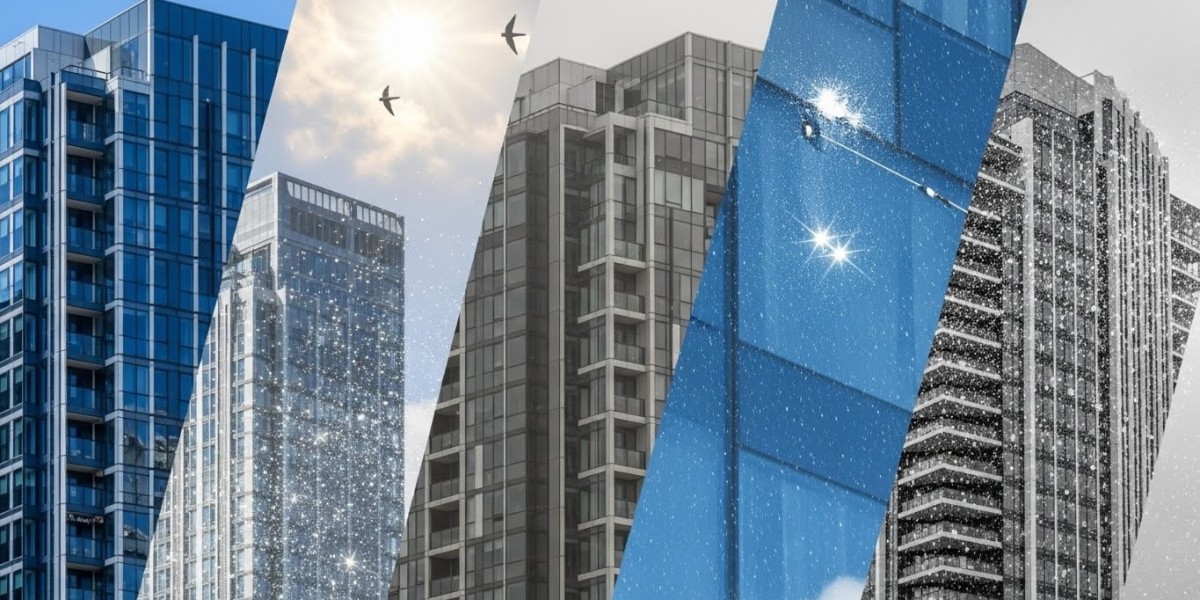

Sydney Weather Challenges: How It Impacts High-Rise Buildings and Cleaning
Sydney is known for its beautiful skyline, modern high-rise buildings, and relaxed coastal lifestyle. From glass towers in the CBD to residential apartment complexes near the ocean, tall buildings are a defining part of the city’s identity. While these structures create a striking visual impact, they are constantly exposed to Sydney’s unpredictable and demanding weather conditions.
Weather plays a major role in how high-rise buildings age, how often they require cleaning, and what type of ongoing maintenance is needed. Strong sunlight, heavy rainfall, coastal winds, high humidity, and airborne pollution work together to gradually wear down building exteriors, especially glass surfaces and facades. Without regular care, dirt buildup, salt residue, and water stains can quickly reduce a building’s appearance and value. This is why working with experienced Sydney window cleaning experts is essential. Professional cleaners understand local conditions and use the right techniques to protect high-rise buildings, maintain clarity, and keep properties looking clean, safe, and professional all year round.
Understanding Sydney’s Weather Conditions
Strong Sun and UV Exposure
Sydney receives a high level of sunlight throughout the year. While this is great for outdoor living, it is tough on buildings. Constant exposure to UV rays slowly breaks down paint, sealants, and protective coatings on high-rise exteriors.
For example, painted concrete or metal panels may start to fade or chalk after years of sun exposure. Glass coatings can also weaken, making windows look dull. Without regular cleaning and maintenance, sun damage becomes more visible and harder to fix.
Heavy Rain and Storms
Sydney experiences periods of intense rainfall, especially during storms and La Niña seasons. Rainwater carries dirt, pollution, and minerals that stick to building surfaces as the water dries.
On high-rise buildings, rain often creates streaks on glass and walls. These stains are common on windows, balconies, and facade panels. Over time, repeated rain exposure can lead to water penetration, especially if joints and seals are not properly maintained.
Coastal Winds and Salt Air
Many of Sydney’s high-rise buildings are close to the ocean. Coastal winds carry salt particles that settle on glass, metal, and concrete surfaces. Salt is one of the biggest enemies of buildings.
Salt attracts moisture, which speeds up corrosion. Metal fixtures, balcony railings, and window frames are especially vulnerable. If salt residue is not cleaned regularly, it can cause rust, staining, and structural weakening.
Humidity and Moisture
Sydney’s humidity creates ideal conditions for mould, mildew, and algae growth. Shaded areas of high-rise buildings, such as southern walls or lower levels, are more likely to develop these issues.
Moisture trapped on surfaces allows biological growth to spread. This not only affects appearance but can also damage building materials over time.
How Sydney Weather Impacts High-Rise Buildings
Exterior Facade Wear and Tear
High-rise facades are constantly exposed to the elements. Weather causes gradual wear, even when buildings look solid from a distance.
For example, concrete can develop hairline cracks due to temperature changes. Paint may peel or bubble because of moisture trapped underneath. Without regular inspection and cleaning, small problems can grow into expensive repairs.
Glass and Window Degradation
Glass is a major feature of modern high-rise buildings in Sydney. However, weather takes a toll on glass surfaces.
Rainwater mixed with pollution leaves mineral deposits on windows. Salt air causes etching, which permanently damages glass if not removed early. Over time, dirty windows reduce natural light and spoil the building’s appearance.
Balconies and Common Areas
Balconies are exposed to sun, rain, and wind. Dirt, bird droppings, and salt build up quickly in these areas.
If balconies are not cleaned regularly, surfaces can become slippery and unsafe. Drainage systems may also block, leading to water pooling and structural damage.
Roof and Upper-Level Damage
Upper levels of high-rise buildings face stronger winds and more direct sun exposure. Roofs collect dust, debris, and sometimes plant growth from seeds carried by the wind.
Poor roof maintenance can lead to leaks, insulation damage, and internal water issues that affect multiple floors.
Why Weather Makes High-Rise Cleaning More Challenging
Height and Safety Risks
Cleaning high-rise buildings is not the same as cleaning a house. Height adds complexity and risk. Wind conditions in Sydney can change quickly, making exterior cleaning more dangerous.
Professional cleaners use safety systems like harnesses, platforms, and rope access methods to work safely at heights. Weather conditions must always be carefully monitored.
Wind-Driven Dirt and Pollution
Strong winds push dust, pollution, and salt into small gaps and corners of buildings. These areas are hard to reach and often missed during basic cleaning.
Over time, hidden dirt causes staining and material breakdown. Deep and detailed cleaning is required to fully remove weather-driven buildup.
Rapid Re-Soiling
Sydney’s weather means buildings get dirty again quickly. After a clean, rain or wind can bring new dirt within weeks.
This is why high-rise buildings need planned and regular cleaning schedules rather than one-off services.
Key High-Rise Areas Affected by Weather
Glass Facades and Windows
Glass surfaces show dirt more than any other material. Weather causes streaking, spotting, and haze that reduce visibility and shine.
Regular window cleaning removes pollutants before they permanently damage the glass surface.
Concrete and Rendered Walls
Concrete absorbs moisture and pollutants easily. Weather exposure leads to staining, cracking, and discolouration.
Cleaning removes surface contaminants and helps identify early signs of structural issues.
Metal Frames and Fixtures
Metal parts such as railings, window frames, and brackets are highly sensitive to salt and moisture.
Without cleaning, corrosion spreads and weakens these components, leading to safety concerns.
Signage and Building Branding
For commercial high-rises, signage is exposed to sun and pollution. Faded or dirty signs make buildings look unprofessional.
Regular cleaning keeps branding clear and attractive.
Best Cleaning Methods for Sydney High-Rise Buildings
Window Cleaning with Purified Water
Purified water cleaning removes minerals and leaves no streaks. It is ideal for glass exposed to rain and salt.
This method keeps windows cleaner for longer and improves overall building appearance.
Soft Washing for Facades
Soft washing uses low pressure and cleaning solutions to safely remove dirt, mould, and pollution.
It is suitable for painted surfaces, render, and delicate facade materials that could be damaged by high pressure.
Pressure Cleaning for Hard Surfaces
Pressure cleaning is effective for concrete, stone, and tiled areas such as balconies and podium levels.
When used correctly, it removes deep grime and restores original surface colour.
Scheduled Maintenance Cleaning
Instead of waiting for visible dirt, scheduled cleaning prevents buildup and damage.
Planned maintenance saves money by reducing repair needs and extending material life.
Importance of Professional High-Rise Cleaning
Expert Knowledge of Weather Impact
Professional cleaners understand how Sydney’s weather affects different building materials. They choose the right methods for each surface.
This prevents damage caused by incorrect cleaning techniques.
Safety and Compliance
High-rise cleaning must follow strict safety rules. Professionals are trained, insured, and equipped to work safely at heights.
This protects workers, residents, and property owners.
Improved Building Lifespan
Regular professional cleaning removes harmful substances before they cause permanent damage.
This extends the life of facades, windows, and structural elements.
How Weather-Based Cleaning Improves Property Value
Weather-based cleaning focuses on protecting buildings from Sydney’s harsh climate while maintaining a strong visual appeal. Regular, climate-aware maintenance directly contributes to higher property value.
Enhances Building Appearance
A clean high-rise building looks modern, safe, and professionally managed. This creates a strong first impression and makes the property more attractive to tenants, buyers, and businesses.Increases Tenant and Buyer Confidence
Well-maintained exteriors signal quality care. People are more likely to choose buildings that appear clean, secure, and regularly serviced.Helps Buildings Stand Out in a Competitive Market
In Sydney’s competitive property market, visual appeal matters. Buildings that are cleaned regularly stand out from surrounding properties and retain higher market value.Prevents Weather-Related Damage
Climate-aware cleaning removes salt residue, pollution, mould, and grime before they cause permanent damage to glass, concrete, and facade materials.Reduces Long-Term Maintenance Costs
By preventing surface deterioration and staining, property owners save money on expensive repairs, repainting, and restoration work.Extends the Lifespan of Building Materials
Regular weather-based cleaning helps preserve windows, facades, and structural surfaces, ensuring the building remains durable and visually impressive for years.
Creating a Weather-Smart Cleaning Schedule
A weather-smart cleaning schedule helps high-rise buildings in Sydney stay protected against climate-related damage while maintaining a clean and professional appearance throughout the year.
Seasonal Planning
Cleaning schedules should be aligned with Sydney’s changing seasons to achieve the best results and prevent long-term damage.
Summer Facade Cleaning
Summer is ideal for deep facade and window cleaning, as dry conditions allow effective removal of salt residue, pollution, and built-up grime.Autumn Debris Removal
Autumn cleaning focuses on clearing fallen leaves, dirt, and debris from ledges, drains, and exterior surfaces to prevent blockages and staining.Winter Mould and Moisture Control
Winter cleaning helps manage mould, mildew, and moisture buildup caused by increased rainfall and humidity.Spring Exterior Refresh
Spring cleaning restores the building’s appearance by removing winter residue and preparing the exterior for warmer months.
Regular Inspections
Inspections are a critical part of a weather-smart cleaning plan and help prevent small issues from becoming costly repairs.
Post-Storm Assessments
Inspections after heavy rain or storms help identify water stains, leaks, salt buildup, and surface damage early.Early Problem Detection
Identifying weather-related damage early allows faster repairs and reduces long-term maintenance costs.Integrated Cleaning and Inspection
Combining cleaning with inspections ensures surfaces are not only clean but also structurally sound and well-maintained.
Conclusion
Sydney’s weather creates ongoing challenges for high-rise buildings. Strong sunlight, heavy rainfall, coastal winds, and high humidity all influence how buildings age and how frequently they require cleaning. Without proper care, weather-related damage can reduce a building’s appearance, compromise safety, and lower overall property value.
Regular, professional, and weather-aware cleaning is essential for protecting high-rise buildings in Sydney. By understanding the impact of local climate conditions and using the right cleaning methods, building owners and managers can maintain clean, safe, and visually impressive properties. Partnering with experienced professionals such as Westlink Cleaning Services ensures high-rise buildings receive reliable, compliant, and high-quality cleaning solutions that deliver long-term results.
FAQs
How often should high-rise buildings be cleaned in Sydney?
Most high-rise buildings benefit from exterior cleaning at least twice a year. Coastal or CBD buildings may need more frequent cleaning.
Does Sydney’s coastal air really damage buildings?
Yes. Salt in the air accelerates corrosion and surface wear, especially on metal and glass.
Is high-rise window cleaning safe during windy weather?
Professional cleaners monitor weather conditions closely and avoid working in unsafe winds.
Can regular cleaning prevent long-term damage?
Yes. Removing pollutants early helps prevent corrosion, staining, and material breakdown.
Why should building managers hire professional cleaners?
Professionals have the skills, equipment, and knowledge to clean safely and effectively in Sydney’s challenging weather conditions.