
Chemical peels are among the most popular skin-resurfacing treatments available today. They can brighten dull skin, fade pigmentation, soften lines, and help with acne scars. But with so many at-home peel options trending online, many people wonder: Is there really a big difference between a professional chemical peel and a DIY peel?
Short answer — yes. And the difference can impact your skin health, results, and even your wallet. If you're considering a Chemical peel in Islamabad or anywhere else, understanding these differences can help you choose safely and wisely.
Below, we break down what truly separates professional peels from do-it-yourself versions.
What Is a Professional Chemical Peel?
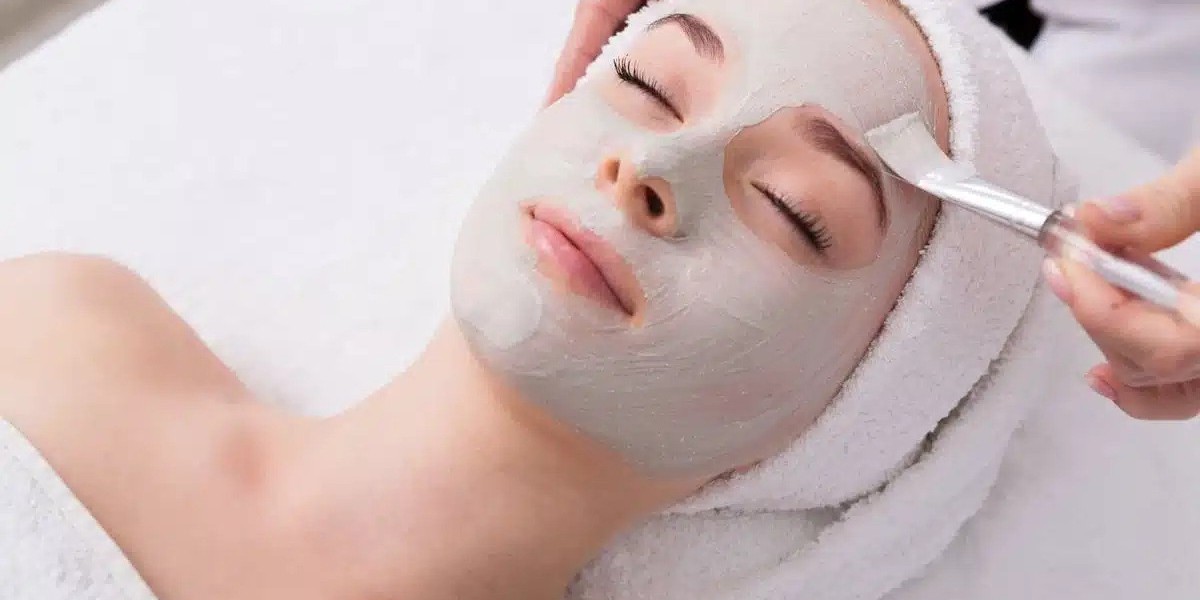
A professional chemical peel is performed by a trained dermatologist, aesthetic physician, or licensed skincare specialist in a clinical setting.
During the procedure, controlled acids such as glycolic, lactic, salicylic, Jessner, or TCA are applied to the skin to exfoliate damaged layers. The strength and depth are carefully chosen based on:
Skin type and tone
Existing concerns (acne, pigmentation, wrinkles, texture)
Medical history
Previous treatments
Expected downtime
The expert monitors your skin throughout the process — adjusting timing, neutralizing the peel, and guiding aftercare.
This level of personalization simply doesn't exist with DIY peels.
What is a DIY Chemical Peel?
DIY peels are over-the-counter products or online kits designed for home use. They are usually gentler, often marketed as “peel pads,” “exfoliating solutions,” or “fruit acid peels.”
While convenient, they come with limitations:
Lower acid concentration
One-size-fits-all formulas
No professional screening
Higher risk of misuse
Even if they seem safe, repeated improper application can slowly damage the skin barrier — leading to sensitivity, breakouts, or long-term pigmentation.
Safety: The Biggest Difference:
When it comes to skin, safety isn’t optional.
Professional Peels — Safer Even When Stronger:
Professionals evaluate your skin before treatment. They check for:
Active acne or infection
Sunburn or irritation
History of keloids
Pregnancy or medical conditions
Medications like isotretinoin or antibiotics
If something makes you unsuitable, they delay or modify the peel — preventing complications.
DIY Peels — Higher Risk of Mistakes:
At home, it’s easy to:
Leave the peel on too long
Layer incompatible products
Mix multiple acids
Use on damaged or irritated skin
Skip sunscreen afterward
These mistakes can result in burns, dark spots, or scarring — especially for medium to darker skin tones.
Results: Subtle vs Transformational:
Professional peels can be customized to target deep concerns such as:
Melasma
Acne scars
Fine lines
Sun damage
Rough texture
Because the depth can be controlled, they stimulate collagen, improve cell turnover, and deliver noticeable improvement over a series of sessions.
DIY peels, on the other hand, usually offer:
Mild brightness
Temporary smoothness
Light exfoliation
They may help maintain results — but they cannot replace clinical treatments.
Think of DIY peels as maintenance, not treatment.
Chemical Peel Cost: What to Expect:
A common question people ask is about Chemical peel cost. Professional peels are priced based on type, strength, and clinic expertise. While they may seem more expensive upfront, they reduce complication risks and deliver stronger results — often meaning fewer sessions overall.
DIY peels may appear cheaper, but repeated purchases, trial-and-error products, and potential skin damage can cost far more in the long run.
Investing in your skin wisely is always more economical than correcting damage later.
Aftercare Matters — And Professionals Guide You:
After a professional peel, you receive clear, tailored aftercare:
Gentle cleansing
Hydration
Strict sun protection
Avoiding active ingredients temporarily
You’re also monitored for healing and progress.
DIY peels often lack proper guidance. Pairing them with retinoids, scrubs, or harsh exfoliants can severely irritate the skin.
Who Should Choose Professional Peels?
Professional peels are especially recommended if you have:
Persistent acne
Dark spots or melasma
Aging skin
Uneven tone
Sensitive skin
Previous cosmetic treatments
Clinics such as royal cosmetic surgery and other reputable centers rely on trained specialists and medical-grade formulations — minimizing risk while maximizing results.
When DIY Peels Can Be Okay:
DIY peels can sometimes be fine if:
They are very mild (like low-percentage lactic or mandelic acids)
Used occasionally
Paired with sunscreen and barrier-supporting skincare
You have no active irritation or underlying skin conditions
But they should never be used impulsively or excessively.
Final Thoughts: Choose Wisely, Protect Your Skin:
Professional chemical peels are safer, more targeted, and more effective than DIY options. Home peels may offer convenience — but they cannot replicate expert evaluation, medical-grade formulas, or clinical precision.
If you're considering a peel, consult a qualified specialist first — especially if you're exploring a Chemical peel in Islamabad or any other city. Your skin is an investment, and it deserves the right care from the right hands.