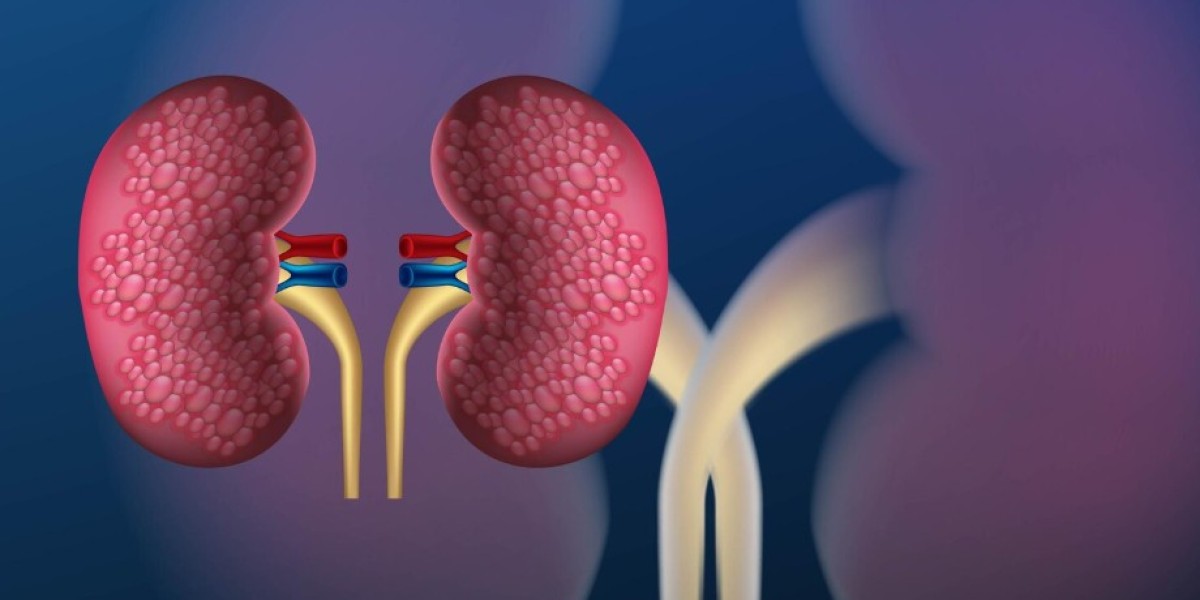

Most people rarely think about their kidneys. They quietly filter waste, balance fluids, and keep your body stable. However, when this balance breaks, the effects can be serious. One such condition is primary membranous nephropathy, a rare disease that affects the kidney’s filters.
Although it develops slowly, it can cause major changes in how the body handles protein and fluids. Early signs are often missed, which is why awareness matters. Understanding what it is and how it happens is the first step toward better care.
What Is Primary Membranous Nephropathy?
Primary membranous nephropathy happens when the immune system mistakenly attacks the kidneys. This attack targets the glomeruli — the tiny filters that clean the blood. As a result, these filters become thick and leaky. Protein that should stay in the blood starts passing into the urine instead.
Studies report that this is one of the most common causes of nephrotic syndrome in adults. However, because symptoms appear slowly, it often goes unnoticed until swelling or fatigue begins.
Eventually, as more protein is lost, people may notice foamy urine, swelling in the ankles or face, or sudden weight changes from fluid buildup. Although it sounds complex, the key point is simple: the body’s immune system is mistakenly damaging its own kidneys.
What Causes Primary Membranous Nephropathy?
Researchers believe the main cause is a mix of immune and genetic factors. About 70 to 80 percent of patients have antibodies that attack a kidney protein called PLA2R. These antibodies trigger inflammation, which thickens the kidney’s filtering membranes.
Some people may also have antibodies against another protein known as THSD7A. Scientists are still studying why these antibodies form. Possible triggers include genetic risk, infections, or exposure to toxins.
Although lifestyle does not cause this condition, factors like uncontrolled blood pressure or long-term use of certain medications can make it worse. However, many people develop PMN without any known trigger at all.
Who Is More Likely to Develop It?
This condition can affect anyone, although it is most common in adults between 40 and 60 years old. Research shows that men are slightly more affected than women. People with autoimmune conditions, such as lupus or thyroid disease, may also have a higher risk.
Regular check-ups are crucial, especially if a person has swelling, foamy urine, or unexplained fatigue. A simple urine test can detect high levels of protein long before symptoms appear.
If untreated, the condition can progress to chronic kidney disease. However, with early diagnosis and proper care, many patients recover or stabilize their kidney function for years.
Recognizing the Emotional Side
Being told you have a rare disease can feel overwhelming. Many patients describe feeling anxious or uncertain after being diagnosed. However, learning about the disease often helps people regain a sense of control.
The emotional impact of primary membranous nephropathy is often overlooked. Patients may appear healthy on the outside while silently managing fatigue, swelling, or constant medical checkups. Research shows that mental well-being plays a key role in recovery. Support from family, doctors, and community groups can ease the stress that comes with long-term care.
It is important to talk about emotional health, not just physical symptoms. Staying positive, asking questions, and building a support system can make this journey easier to manage.
How Is It Treated?
Treatment for primary membranous nephropathy depends on how severe it is and how active the immune system is. Some people improve on their own within months, while others need long-term medication.
Doctors usually start with treatments that protect the kidneys and reduce protein loss. These include:
Blood pressure medicines: Drugs like ACE inhibitors and ARBs help lower pressure in the kidneys and reduce protein leakage.
Immunosuppressants: These medications calm the immune system and prevent further damage.
Diuretics: Help control swelling by removing extra fluid from the body.
Lifestyle adjustments: Limiting salt, maintaining a healthy weight, avoiding smoking, and staying active can help protect kidney function.
Studies suggest that around one-third of patients recover naturally, another third improve with medication, and the rest may develop chronic kidney disease. However, consistent care and regular monitoring can greatly improve outcomes.
Can It Recur?
Yes, it can. Although many people go into remission, primary membranous nephropathy can return months or even years later. However, doctors can now track the disease more closely using advanced antibody tests.
Research has shown that antibody levels often rise before symptoms come back. As a result, doctors can adjust treatment early and prevent relapse. This close monitoring has helped reduce recurrence rates in recent years.
Patients are encouraged to follow their doctor’s plan closely and attend all follow-ups. Staying proactive can make a major difference in long-term health.
Daily Life with Primary Membranous Nephropathy
Living with this condition means learning how to care for both body and mind. Managing fatigue, swelling, and medication side effects can be challenging at times. However, balance is possible with patience and self-care.
Eating balanced meals, staying hydrated, and getting enough rest are small but powerful steps. Emotional support is equally important. Many patients find comfort in joining online support groups or connecting with others going through the same journey.
Every person’s experience is unique. Although progress can feel slow, each small improvement matters. With the right care, people often return to normal routines and enjoy a healthy life.
Recent studies show that genetic research and better antibody testing are helping doctors diagnose earlier and choose more effective treatments. Although there is no one-size-fits-all cure yet, each discovery brings new optimism for patients and their families.
Final Words
Although the name sounds complex, primary membranous nephropathy does not define you. It is a condition that can be managed with early care, steady treatment, and emotional support.
Eventually, with growing awareness and research, living with this condition will become easier for many people. The key is not to give up. Every step from routine checkups to new therapies moves a person closer to healing. In the end, knowledge, consistency, and hope remain the strongest tools against this rare kidney disease.