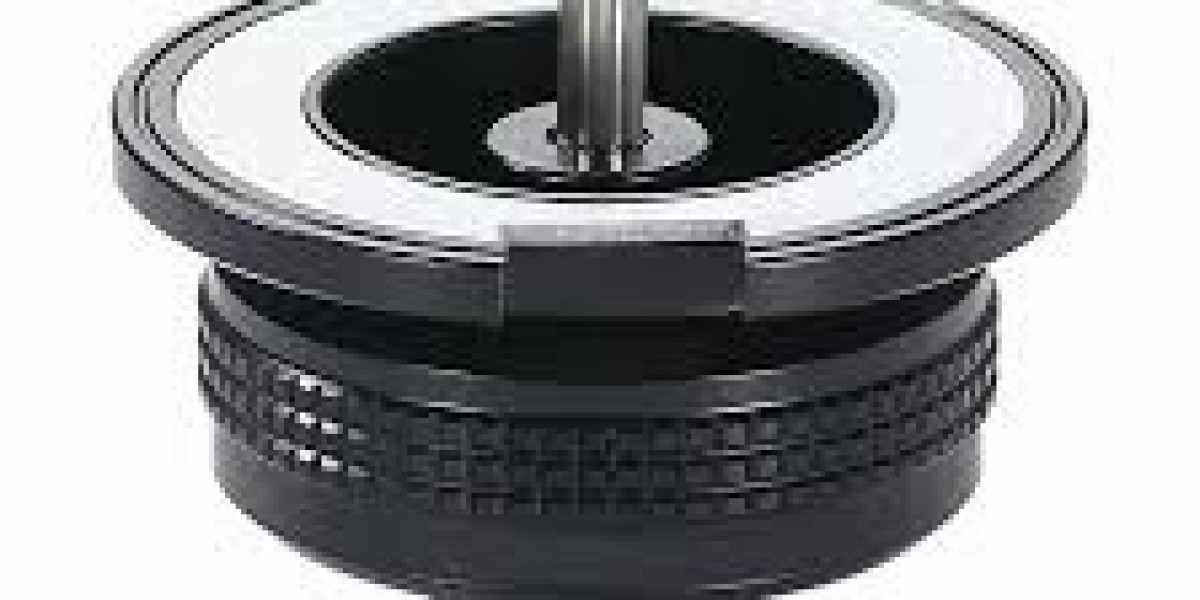

When you step into a quiet campsite after a long day the last thing you want is a fussy stove. The Bluefire EN417 Valve often sits at the heart of that experience because a well maintained valve keeps heat predictable and reduces the chance of a troublesome leak or uneven flame. Treating valve upkeep as part of routine gear care changes the odds in your favor and keeps simple outings from becoming recoveries.
Public dialogue around outdoor safety and consumer product reliability has sharpened as social channels amplify single moments into broad conversations. A small fault that might once have been a private annoyance now becomes a widely seen clip. That makes preventive attention to valves and connectors more than a nicety. It is a practical way to protect time and energy spent on trips and to avoid customer complaints when products reach market. Bluefire emphasizes compliance with recognized valve standards and rigorous testing to support consistent behavior in the field.
Start with storage and rotation. Leaving a stove or a canister in a sun warmed vehicle or a damp closet invites pressure shifts and material aging that show up at inconvenient moments. Storing valves and cartridges in a stable shaded place preserves seal elasticity and reduces the risk of stiff actuation or slow leaks. Moving a spare into active rotation for routine backyard use keeps seals exercised and reveals any irregularities long before you need the device on a trail.
Attachment technique is a surprisingly important habit. A clean simple thread and an evenly seated connection make a major difference in fuel flow and flame control. Users who take a moment to inspect threads wipe away small debris and confirm the seating before lighting reduce the chance of loss and the need to reattach in poor light. This practice also cuts the risk of tiny leaks that silently reduce efficiency and create frustrating flame sputter.
Gentle cleaning routines extend service life and keep operation smooth. Residue and dust gather in crevices; a brief wipe with a soft cloth and a quick visual of the valve tip are low effort steps that keep performance steady. When parts are removable following manufacturer instructions for a light cleaning prevents build up that interferes with actuation. Respecting the recommended cleaning approach preserves the intended feel and response of the valve over repeated use.
Mindful ignition and flame control influence longevity. Running a stove on a steady moderate flame for cooking tends to be kinder to seals than repeatedly forcing very high output bursts. Heating a pot with a lid and lowering the flame once boil is reached saves fuel and reduces stress on components. Being deliberate about the length and intensity of use makes single trips more predictable and stretches the useful life of smaller parts.
Environmental awareness reduces surprises. Wind makes stoves work harder and cold slows flow which affects flame stability. Using a modest wind shield that still allows ventilation and keeping spare cartridges warm before use mitigates those effects. When conditions challenge combustion a small change in setup often restores steady performance without major effort.
Routine inspection for wear and damage is essential. Look for small dents or scratches that may compromise sealing and check that actuation remains smooth. Replace worn rubber pieces rather than risk continued use under strain. When you compare a quick pre trip check with the fuss of troubleshooting an active leak the value of inspection is obvious.
Choosing compatible parts and working with reputable suppliers adds another layer of protection. Matching valve specification to canister type and following producer guidance on connectors and replacement parts reduces surprises during filling and use. Some manufacturers run automated production checks and report air tightness and pressure test results which helps buyers feel confident about consistent quality.
Practical labeling and storage at home matter too. Keep spare parts together in a small pouch with a note about last use so rotation is simple. A compact kit that includes a spare valve element or a small wrench for safe tightening makes field repairs manageable. These small preparations remove friction and keep attention on enjoying time outdoors rather than troubleshooting gear.
For product teams and packers the maintenance story is also important. Clear guidance provided with products reduces avoidable service calls and returns. When customers receive simple step by step care notes they are more likely to follow routines that keep valves performing as intended. That practical communication reduces complaints and supports calmer customer experiences.
Finally, treat maintenance as part of the camping ritual. A quick check before packing, a gentle wipe after a trip, and sensible storage between outings create habits that protect both safety and enjoyment. Attention to these small routines keeps stoves functioning and reduces the chance that a valve issue will interrupt a trip or trigger negative feedback online. When brands and owners share responsibility for care the whole user experience improves. For those interested in valve options and production details from a maker active in this space visit https://www.Bluefirecans.com/ .