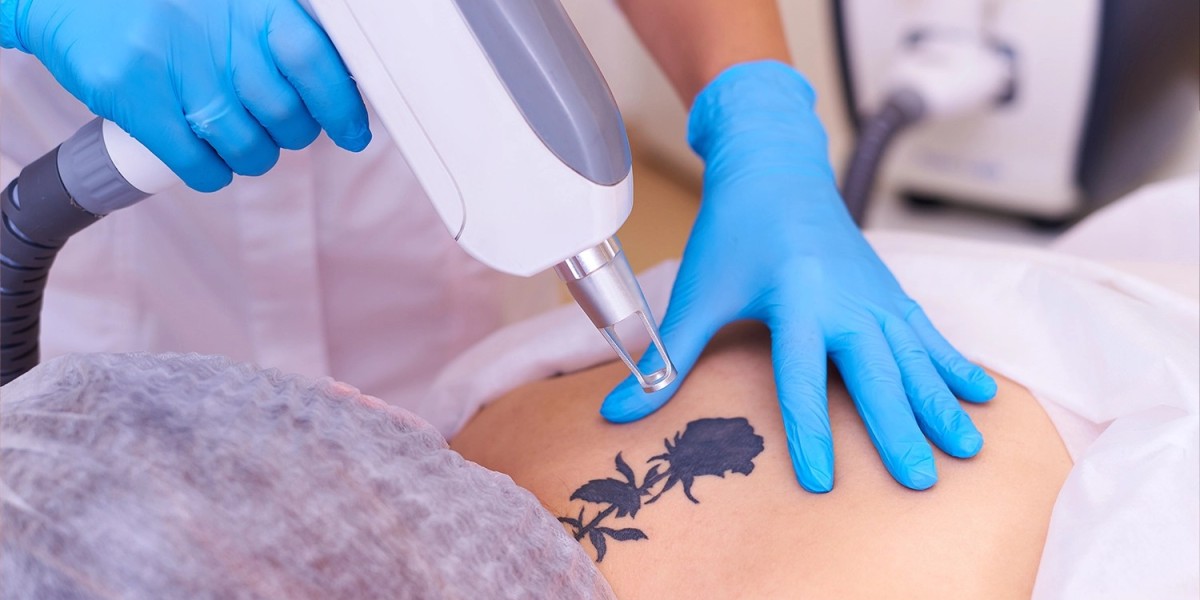

When considering Laser Tattoo Removal, understanding how age and tattoo type influence results is essential. Both factors play a significant role in determining the number of sessions required, the healing process, and the likelihood of achieving complete removal. By evaluating these variables, patients can set realistic expectations and work with their provider to develop an effective treatment plan.
Impact of Tattoo Age:
The age of a tattoo affects how easily it can be broken down and removed by laser treatments.
Older tattoos tend to fade naturally over time, making removal slightly easier.
Fresh tattoos have more vibrant and concentrated ink, which may require additional sessions.
The immune system’s ability to clear ink particles can vary, influencing overall results.
Ink Color Considerations:
Tattoo color is one of the most critical factors in laser removal success.
Black ink absorbs most laser wavelengths effectively and is typically easier to remove.
Colored inks, such as red, green, blue, and yellow, often require specialized lasers and more sessions.
Light or pastel colors may fade slower, and some pigments are more resistant to laser treatment.
Tattoo Size and Complexity:
The size and design of the tattoo impact both session duration and total treatment time.
Larger tattoos require more sessions and longer healing periods between treatments.
Intricate designs with dense or layered ink can be more challenging to remove completely.
Simple, small tattoos generally respond faster and more predictably to laser removal.
Location on the Body:
Tattoo placement affects how quickly the skin heals and how well ink responds to lasers.
Areas with better circulation, such as the arms or torso, often show faster results.
Locations with reduced blood flow, like ankles or feet, may require more sessions.
Skin in high-friction areas may be prone to slower healing or temporary irritation.
Skin Type and Tone:
Skin tone influences how laser energy interacts with both ink and surrounding skin.
Darker skin tones absorb more laser energy, which may require lower intensity settings to prevent burns or pigmentation changes.
Lighter skin tones often respond well to most laser wavelengths.
Proper assessment ensures safe treatment while minimizing risks like hyperpigmentation or hypopigmentation.
Healing and Recovery:
The body’s ability to heal directly impacts the speed and effectiveness of tattoo removal.
Older patients may experience slower skin regeneration, extending recovery time.
Younger patients often have faster healing, supporting quicker progress between sessions.
Maintaining proper aftercare, hydration, and nutrition enhances recovery for all ages.
Managing Expectations:
Understanding how age and tattoo type affect outcomes helps patients plan realistically.
Complete removal may not be possible for very large, multi-colored, or dense tattoos.
Multiple sessions spaced appropriately are crucial for safety and effectiveness.
Consultation with an experienced provider allows for accurate estimates of session count and results.
Final Thoughts:
Age and tattoo type significantly influence the effectiveness of Laser Tattoo Removal. Older tattoos, black ink, smaller designs, and tattoos on well-circulated areas typically respond faster, while newer tattoos, colored inks, complex designs, and challenging locations may require additional sessions. By understanding these factors, following professional guidance, and adhering to proper aftercare, patients can achieve safer, more predictable, and successful tattoo removal results.