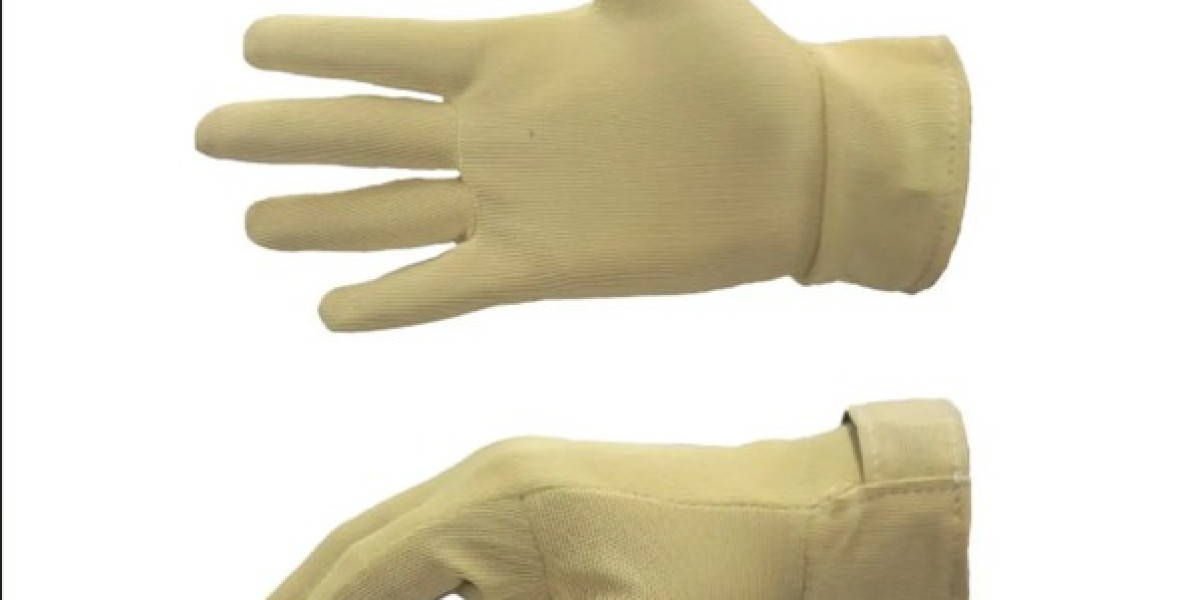

The field of laboratory animal science is constantly evolving, and so is the technology used to keep researchers safe. One of the most important developments is the focus on tactile feedback. Being able to feel the subject through the glove is not just about convenience; it is a vital part of safety and accuracy.
Navigating the Market for Specialized Hand Gloves
There is a massive gap in the market for gloves that offer both high-level protection and fine motor control. Many off-the-shelf options are designed for general industrial use and are not suited for the delicate work of a lab. This is where specialized brands make a significant difference.
Innovative Materials in Modern Hand Gloves
The use of Tactile Plus materials has revolutionized the way we think about hand protection. These hand gloves use advanced fabrics that are much thinner than traditional leather but offer comparable or superior protection. This allows the researcher to feel the animal's ribs, breathing, and muscle tone with ease.
Protecting Against Larger Rodents and Ferrets
For rats and ferrets, the Full Hand version of the Tactile Plus is the gold standard. It provides a consistent barrier across the entire hand. This is essential when the animal is agitated, as it prevents any gaps in protection that a smaller, partial glove might leave exposed.
Tri-Point Technology for Needlestick Safety
The Tri-Point series is specifically engineered for those who work with needles and syringes. The fabric is woven in a way that deflects needle tips, preventing them from reaching the skin. This technology is a must-have for any facility that performs regular injections or blood draws on primates and ferrets.
Triple-layer protection for maximum safety.
Ergonomic design for full range of motion.
Washable materials for improved hygiene.
Reinforced palms for better animal grip.
Enhancing Precision with Targeted Finger Gloves
Sometimes, less is more. For the most delicate tasks involving mice or newborn animals, researchers often turn to partial gloves. These provide protection exactly where it is needed most without the bulk of a full-size glove, leading to better outcomes for both the human and the animal.
The Utility of 2-Finger Finger Gloves
The 2-Finger Tactile Plus is designed for tasks that require the ultimate in dexterity. These finger gloves are perfect for micro-surgery, tail injections, and handling infant primates. They offer a level of precision that simply isn't possible with a standard five-finger glove, making them a favorite in specialized labs.
Reducing Animal Stress Through Better Handling
Animals can sense when a handler is clumsy or nervous. Because these gloves allow for a more natural touch, the animals tend to stay calmer. This leads to more accurate data collection and a more humane environment for the subjects being studied in the research facility.
Filling the Gap for Infant Primate Care
Infant primates require a specialized touch that is both firm and incredibly gentle. The biggest gap in the market has been gear that allows for this level of sensitivity. The Tactile Plus line was developed specifically to fill this void, providing the protection handlers need and the softness infants require.
Assess the level of dexterity required for the task.
Select the 2-finger or full-hand model accordingly.
Check for Tri-Point protection if needles are involved.
Ensure all equipment is properly sized for the user.
Conclusion
Understanding the balance between protection and sensation is the key to selecting the best laboratory gloves. Whether you are handling large ferrets or tiny mice, there is a specialized solution available. By choosing gear like the Tactile Plus and Tri-Point series, you are ensuring the highest level of safety for your research team.