
Most people remember the color they chose for their walls, not what happened before the first brush touched the surface. Yet every experienced painter knows the truth. Prep work decides how long a paint job will last. I learned this lesson years ago while watching a homeowner rush through painting a living room. The color looked great for a few months, then cracks, peeling, and stains began to show. The paint did not fail. The preparation did.
Whether you are working with a professional or learning about residential painting services in the USA, understanding prep work helps you make better choices and avoid costly repainting later.
What Prep Work Really Means
Prep work is everything done before the paint can goes open. It is not just wiping down walls. It is a detailed process that prepares surfaces to hold paint properly.
Paint sticks best to clean, dry, and stable surfaces. When walls are dirty, glossy, or damaged, paint struggles to bond. Over time, that weak bond shows through peeling, bubbling, or uneven color.
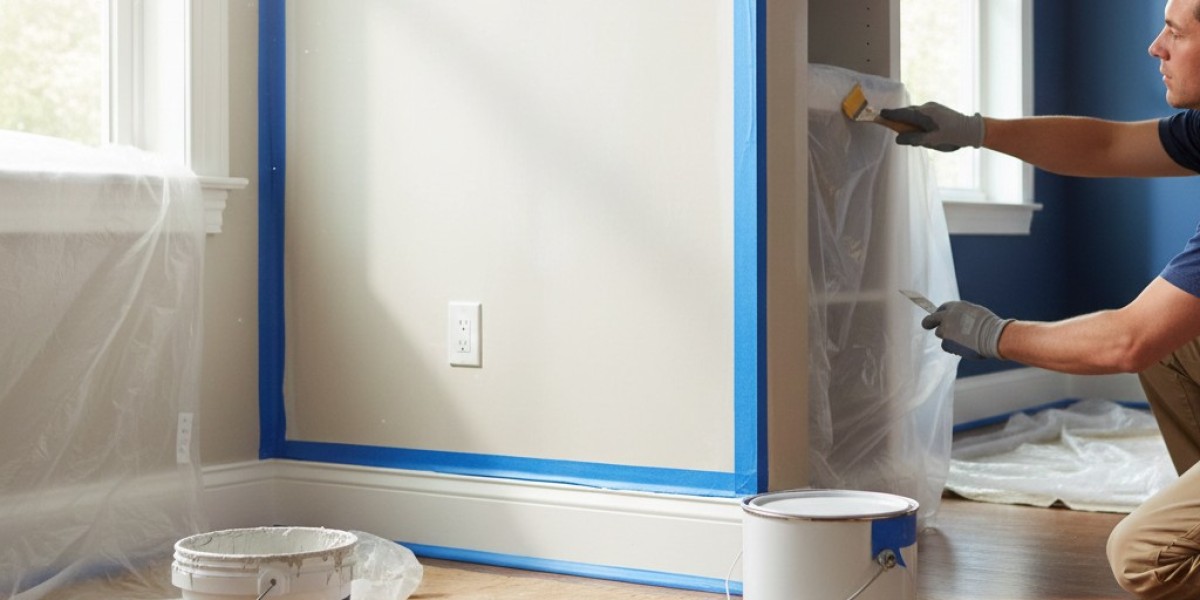
Prep work often includes
Cleaning grease, dust, and residue
Repairing cracks, nail holes, and dents
Sanding rough or glossy areas
Removing loose or old paint
Applying primer where needed
Each step supports the next. Skipping one step often leads to visible problems later.
Cleaning Sets the Foundation
Walls collect more dirt than most people realize. Kitchens hold grease. Bathrooms hold moisture. Living rooms gather dust and oils from daily life. Painting over this buildup traps it under the new paint.
Cleaning removes these barriers. Mild detergents or surface cleaners lift dirt and oils so paint can grip the surface. In older homes, this step can also reveal hidden issues like mildew or water stains that need treatment before painting.
Without cleaning, even the best paint struggles to last.
Repairs Shape the Final Look
Small wall damage looks minor before painting. Once painted, those flaws stand out more. Cracks widen. Nail holes cast shadows. Uneven surfaces break the smooth look people expect from fresh paint.
Filling holes and cracks creates a flat surface. Sanding blends repairs into the wall. This step takes time, but it controls how light reflects across the room. It also prevents damage from spreading under the paint layer.
A long-lasting paint job depends on what lies beneath the surface, not just what sits on top.
Sanding Helps Paint Hold On
Sanding is often skipped because it feels unnecessary. In reality, it helps paint bond. Smooth or glossy surfaces resist new paint. Sanding creates light texture that allows paint to grip.
This step matters even more when repainting over old finishes. Light sanding removes shine and evens out rough spots. It also helps primer and paint dry evenly.
Painters often say sanding is where patience pays off. They are right.
Primer Does More Than Cover
Primer is not just an extra layer. It solves problems paint alone cannot fix. It blocks stains, seals repairs, and creates a uniform surface for paint.
Fresh drywall, patched areas, and dark colors often need primer. Without it, paint may look blotchy or fade unevenly over time. Primer also improves durability, helping paint resist peeling and moisture damage.
Choosing the right primer depends on the surface and environment. That is where experience matters.
How Prep Work Affects Durability
A well-prepped surface extends the life of a paint job. Paint adheres better, resists moisture, and handles temperature changes more effectively. Walls stay cleaner. Colors stay truer.
Poor prep often leads to early repainting. That means more cost, more disruption, and more frustration. Spending extra time upfront saves money in the long run.
Why Professionals Focus on Preparation
Professional painters know prep work protects their reputation. A beautiful finish today means nothing if it fails next year. That is why experienced crews spend more time preparing than painting.
They inspect surfaces closely. They adjust prep methods based on age, material, and previous coatings. This approach comes from training and hands-on experience, not shortcuts.
Homeowners who understand this process can better evaluate painting estimates and avoid unrealistically low bids that skip preparation.
Common Prep Mistakes to Avoid
Painting over dirty or damp walls
Skipping repairs to save time
Ignoring glossy surfaces
Using paint instead of primer to hide stains
Rushing drying times between steps
Each mistake reduces paint lifespan and appearance.
Frequently Asked Questions
How long does prep work usually take
Prep often takes as long as painting itself. Larger or older spaces may take longer due to repairs.
Can I skip primer if I use high quality paint
High quality paint still benefits from primer on repairs, stains, or color changes.
Does prep work matter for exterior painting too
Yes. Exterior prep matters even more due to weather exposure and surface wear.
Is prep work included in professional painting services
Reputable painters include prep in their process and explain what it involves.
Prep work rarely gets credit, but it tells the real story behind a lasting paint job. It shapes how paint looks, how long it lasts, and how often you repaint. Whether improving a home or managing a business space, preparation sets the tone for success. That same attention to detail applies to larger projects as well, which is why many property owners rely on Commercial Painting services in USA that understand the value of doing the work right from the start.