
In modern architecture and interior design, the choice of wall material plays a critical role in both functionality and aesthetics. Traditional materials such as drywall, wood, and brick have long been used, but they come with limitations, including susceptibility to moisture, wear, and limited design flexibility. Metal wall panels have emerged as a versatile, durable, and stylish alternative, providing modern solutions for both interior and exterior applications.
What Are Metal Wall Panels?
Metal wall panels are sheets or modules made from metals such as aluminum, steel, copper, or zinc, designed to cover walls in residential, commercial, and industrial buildings. They are available in a variety of sizes, finishes, and textures, allowing customization according to design and functional requirements.
Unlike traditional materials, metal panels resist moisture, pests, and physical damage. They can be installed as full-wall coverage, accent walls, or decorative elements. Their adaptability makes them suitable for a wide range of environments, from industrial facilities to modern home interiors.
Benefits of Metal Wall Panels
1. Exceptional Durability
One of the most significant advantages of metal wall panels is their durability. Metals like steel and aluminum are resistant to dents, cracks, and warping. Coated or treated panels provide additional protection against corrosion, UV damage, and fading, ensuring a long-lasting wall solution. This makes metal panels ideal for high-traffic areas or environments exposed to harsh weather.
2. Low Maintenance
Metal wall panels require minimal upkeep compared to wood or drywall. They are easy to clean with mild soap and water, and their resistance to mold, mildew, and insects ensures longevity. For commercial and industrial spaces, this low-maintenance feature reduces operational costs and keeps walls looking professional and clean for years.
3. Fire Resistance
Metal panels are naturally fire-resistant, providing an extra layer of safety. Unlike wood or composite materials, metal does not ignite easily, slowing the spread of fire and protecting occupants and property. This makes metal wall panels a preferred choice for industrial facilities, commercial buildings, and high-rise structures.
4. Design Flexibility
Metal wall panels offer remarkable design versatility. They are available in smooth, embossed, perforated, and textured finishes, and can be combined with other materials like wood, glass, or stone for decorative effects. This flexibility allows designers to create feature walls, facades, and unique interior designs that are both modern and functional.
5. Environmental Sustainability
Many metal wall panels are made from recycled materials and can be fully recycled at the end of their lifespan. Their durability also reduces the need for frequent replacements, minimizing construction waste and supporting sustainable building practices. For eco-conscious developers and homeowners, metal panels provide an environmentally responsible solution without compromising style or performance.
Applications of Metal Wall Panels
Residential Interiors
Homeowners are increasingly using metal wall panels to create accent walls, kitchen backsplashes, and decorative ceilings. Panels provide a sleek, modern look while offering a durable, easy-to-clean surface. They can transform living rooms, bedrooms, and bathrooms into visually striking spaces that are also functional.
Commercial Buildings
Offices, hotels, restaurants, and retail spaces benefit from the durability and modern aesthetics of metal wall panels. They withstand high traffic, resist damage, and maintain a professional appearance. Fire resistance and low maintenance make them especially suitable for public areas and high-occupancy buildings.
Exterior Cladding
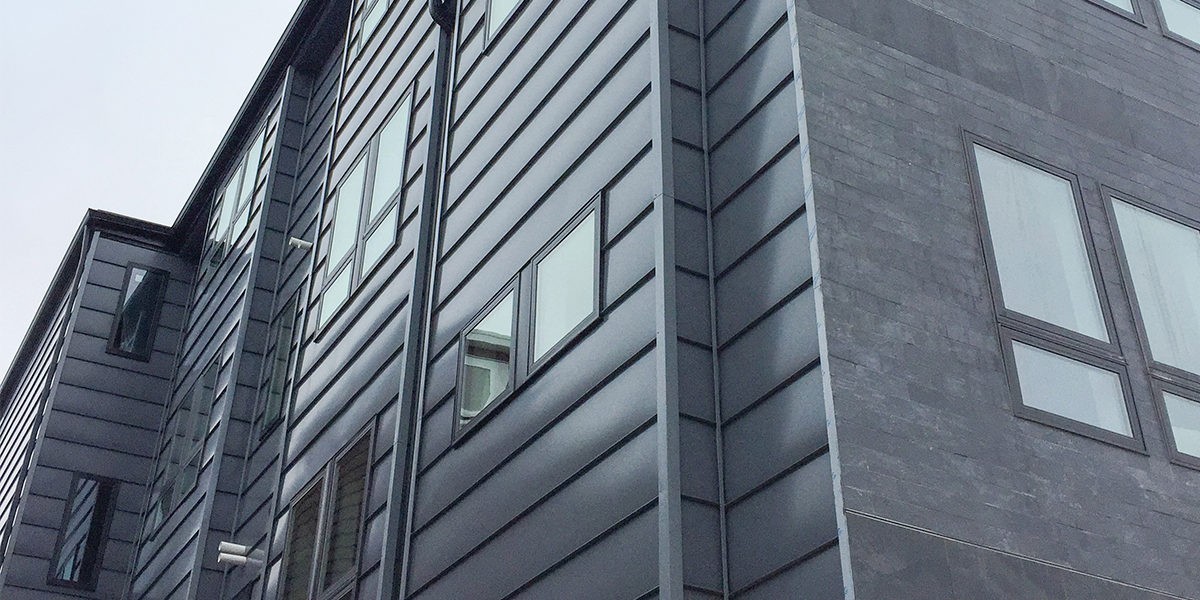
For building exteriors, metal panels provide durable cladding that can withstand harsh weather conditions. Aluminum, zinc, and copper panels resist corrosion, making them ideal for modern facades. Architects often use metal panels to create bold, eye-catching designs while maintaining functionality.
Industrial and Institutional Facilities
Factories, hospitals, airports, and warehouses use metal wall panels for their durability, low maintenance, and resistance to moisture and damage. They maintain a clean, professional appearance even in environments subject to heavy use.
Installation and Maintenance
Proper installation is crucial to ensure the performance and longevity of metal wall panels. Panels are typically secured using fasteners, clips, or adhesive systems, with careful attention to alignment and expansion allowances.
Maintenance is minimal. Regular inspections for dents, scratches, or loose fasteners are recommended. Cleaning with mild detergent and water is usually sufficient. For exterior panels, occasional re-coating or painting may help preserve color and prevent corrosion over time.
Popular Design Trends
Metal wall panels have evolved to suit modern architectural and interior design trends:
· Textured and 3D Panels: Embossed or patterned panels add depth and visual interest.
· Mixed Material Designs: Combining metal with wood, glass, or stone creates striking contrasts.
· Custom Laser-Cut Panels: Intricate designs or logos personalize interior and exterior spaces.
· Sustainable Panels: Using recycled metals aligns with environmentally conscious building practices.
These trends demonstrate the versatility and creative potential of metal wall panels, making them ideal for contemporary architecture and design.
Conclusion
Metal wall panels are more than just a wall covering—they are a modern, durable, and stylish solution for a wide range of applications. From residential interiors to commercial facades and industrial facilities, they offer long-lasting protection, low maintenance, and visual appeal.