


A Guide to Skin Glue in Veterinary Wound Care
Wound closure is a critical step in veterinary treatment. The method chosen can influence healing time, infection risk, and overall comfort for the animal. In recent years, skin glue has become a reliable option for closing certain types of wounds in pets.
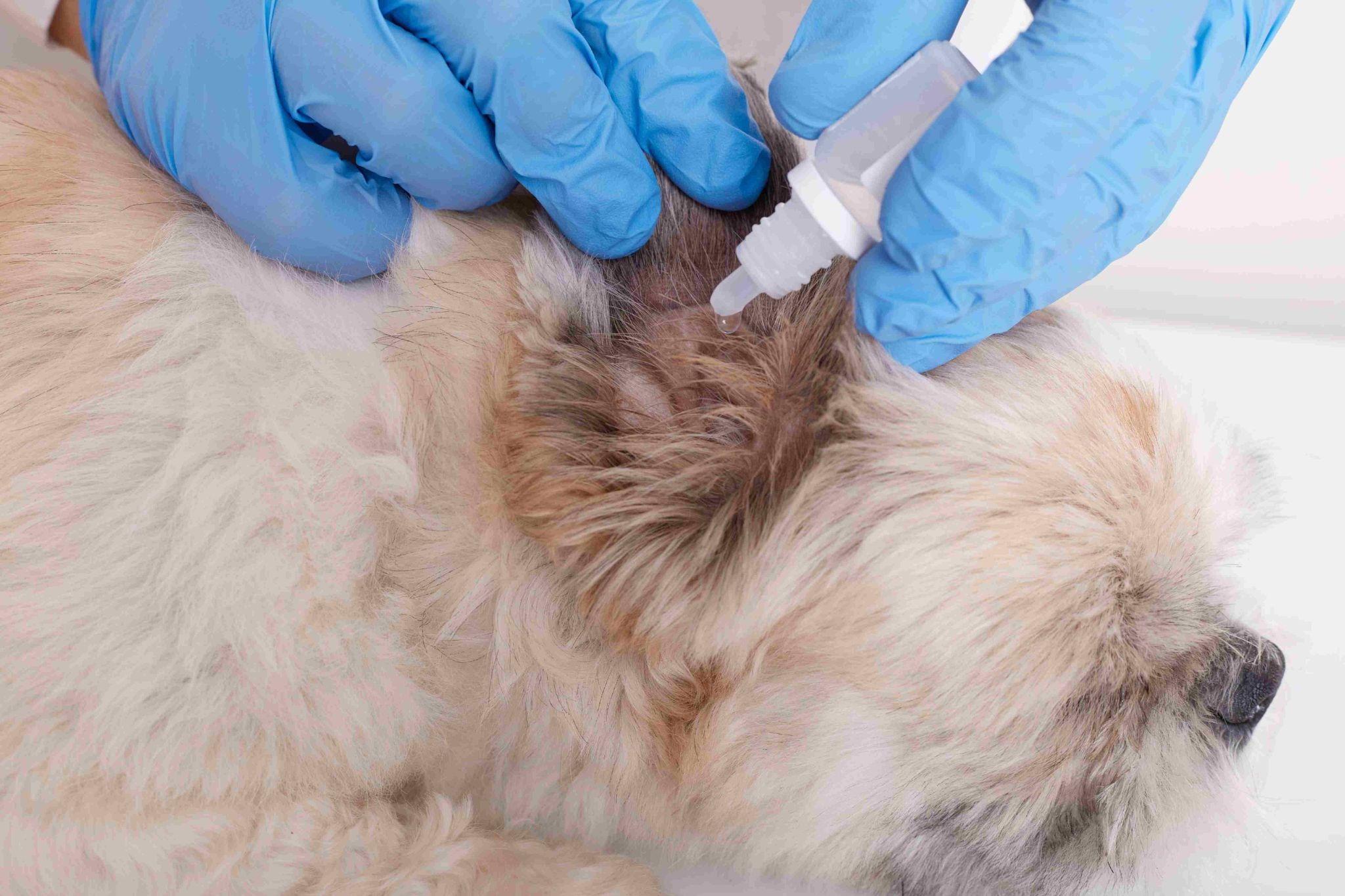
Veterinarians often choose closure techniques based on wound size, location, and tension. While sutures and staples remain common, adhesive-based solutions are gaining attention for their ease of use and reduced tissue trauma. This guide explains how skin glue works, when it is used, and what pet owners should know about this method.
What Is Skin Glue
Skin glue is a type of medical glue used to close superficial wounds. It forms a protective layer over the skin, holding wound edges together while healing occurs underneath. This method is commonly used in minor surgical procedures and small cuts. The adhesive is usually based on cyanoacrylate compounds, which bond quickly when applied to the skin. Once dry, it creates a barrier that protects the wound from external contaminants.
Veterinary professionals often use this method for cases where minimal tension is present and precise closure is required without the need for stitches. For a broader understanding of wound closure options, you can review our complete guide to choosing veterinary surgical sutures.
How Skin Glue Works in Veterinary Care
When applied correctly, surgical glue seals the outer layer of the skin and holds the wound edges in place, allowing natural healing processes to occur beneath the surface. The process involves cleaning the wound thoroughly, aligning the skin edges, applying a thin layer of adhesive, and allowing it to dry within seconds. This method eliminates the need for needle penetration, which can reduce discomfort for the animal.
Compared to traditional closure methods, surgical glue provides a faster application process and reduces the need for follow-up visits for removal, as the adhesive naturally wears off over time. You can also explore how adhesives compare with other closure methods in our article on the benefits of using veterinary skin glue for wound closure.
When Skin Glue Is Used in Pets
Skin glue is not suitable for every wound. Veterinarians carefully evaluate the condition before selecting this method. It is commonly used for small, clean cuts, surgical incisions with low tension, areas where cosmetic outcome matters, and minor lacerations in calm animals. It is less suitable for deep wounds, high-tension areas such as joints, infected or contaminated wounds, or areas with excessive moisture.
For more complex injuries, sutures may still be required. You can learn more about proper suture selection in our guide on choosing the right suture for laceration surgery.
Benefits of Using Skin Glue
Skin glue offers several advantages in veterinary wound care. Application is quick and does not require knot tying or needle handling, which shortens procedure time. Unlike sutures, there is no puncturing of the skin, reducing tissue irritation and inflammation. Animals often experience less discomfort since the procedure is minimally invasive. Additionally, the adhesive naturally falls off as the skin heals, eliminating the need for removal. The sealed surface also helps protect the wound from dirt and bacteria.
These benefits are particularly useful in minor procedures where quick recovery is expected.
Limitations and Considerations
While skin glue is effective in many cases, it has limitations. Adhesives may not provide enough strength for wounds under tension. Improper application can lead to poor wound closure, and certain areas of the body may not hold adhesive well due to movement or moisture. Pets may interfere with the glued area, which can disrupt healing.
For high-tension wounds, veterinarians often rely on non-absorbable sutures. More details are available in our article on key advantages of non-absorbable sutures in high-tension procedures.
Skin Glue Compared to Sutures and Staples
Choosing the appropriate closure method depends on clinical factors. Skin glue is best for small and clean wounds, offers quick application, and does not require removal. Sutures are suitable for deeper or complex wounds, provide strong support, and may require removal. Staples are often used for larger wounds and are common in surgical settings.
Each method has a specific role in veterinary care. For example, staples are often discussed in our guide on how to use disposable skin staplers safely in veterinary practice.
Safety and Healing Process
Skin glue is generally safe when applied by trained professionals. Healing typically follows a predictable pattern. Initially, the adhesive bonds the skin and forms a protective layer. As new tissue forms beneath, the glue remains intact. Finally, the adhesive naturally loosens and falls off as the skin heals completely.
Pet owners should monitor the wound. Signs of proper healing include reduced redness, absence of discharge, and stable wound edges. If there are concerns about healing time, our guide on how long sutures should stay in for complete healing provides useful guidance.
Use of Skin Glue for Cuts in Pets
Skin glue for cuts is particularly effective for minor injuries that do not require deep closure. It allows for quick treatment and reduces stress for both the pet and the owner. In emergency situations, veterinarians may use this method to stabilize a wound before further evaluation. Pet owners should avoid attempting to apply medical glue at home unless directed by a veterinarian, as improper use can lead to complications.
Role of Medical Glue in Modern Veterinary Practice
Medical glue has become an important tool in veterinary medicine. It complements traditional methods rather than replacing them. Veterinarians often combine techniques depending on the wound. For example, deeper layers may be closed with sutures while the surface is sealed with adhesive. This approach improves efficiency and supports better healing outcomes. You can also explore how suture materials influence healing in our article on how veterinary suture material impacts surgical outcomes.
Choosing the Right Wound Closure Method
Selecting the correct method depends on wound depth, location, tension, risk of infection, and animal behavior. Skin glue is a valuable option when used appropriately, but it is not a universal solution. Veterinary professionals rely on clinical judgment to determine the best approach.
Conclusion
Skin glue plays an important role in veterinary wound care. It offers a simple and effective method for closing minor wounds with minimal discomfort. While it cannot replace sutures or staples in all cases, it provides a useful alternative in the right conditions. Understanding how and when this method is used helps pet owners make informed decisions about their animal’s care. Proper evaluation by a veterinarian remains essential for safe and effective treatment.
FAQs
Q: What is skin glue used for in veterinary care?
A: Skin glue is used to close small and clean wounds in pets. It helps hold the skin edges together while healing occurs. It is often chosen for minor procedures where low tension is present.
Q: Is surgical glue safe for pets?
A: Surgical glue is generally safe when applied by a veterinarian. It forms a protective barrier over the wound and reduces the need for stitches. Proper application is important to avoid complications.
Q: How long does skin glue stay on a pet’s wound?
A: Skin glue usually stays in place for several days. It naturally falls off as the wound heals. The exact duration depends on the location of the wound and the animal’s activity level.
Q: Can skin glue be used for deep wounds?
A: Skin glue is not recommended for deep or high-tension wounds. These types of injuries often require sutures or staples to ensure proper closure and healing.
Q: Can pet owners use medical glue at home?
A: Pet owners should not use medical glue without veterinary guidance. Improper use can lead to poor healing or infection. A veterinarian should always assess the wound before treatment.

 English
 Arabic
 French
 Spanish
 Portuguese
 Deutsch
 Dutch
Dutch
 Italiano
 Russian
 Romaian
 Portuguese (Brazil)
 Greek
Greek