
Yoga Disciplines: A Complete Guide to the Foundations of Yogic Living
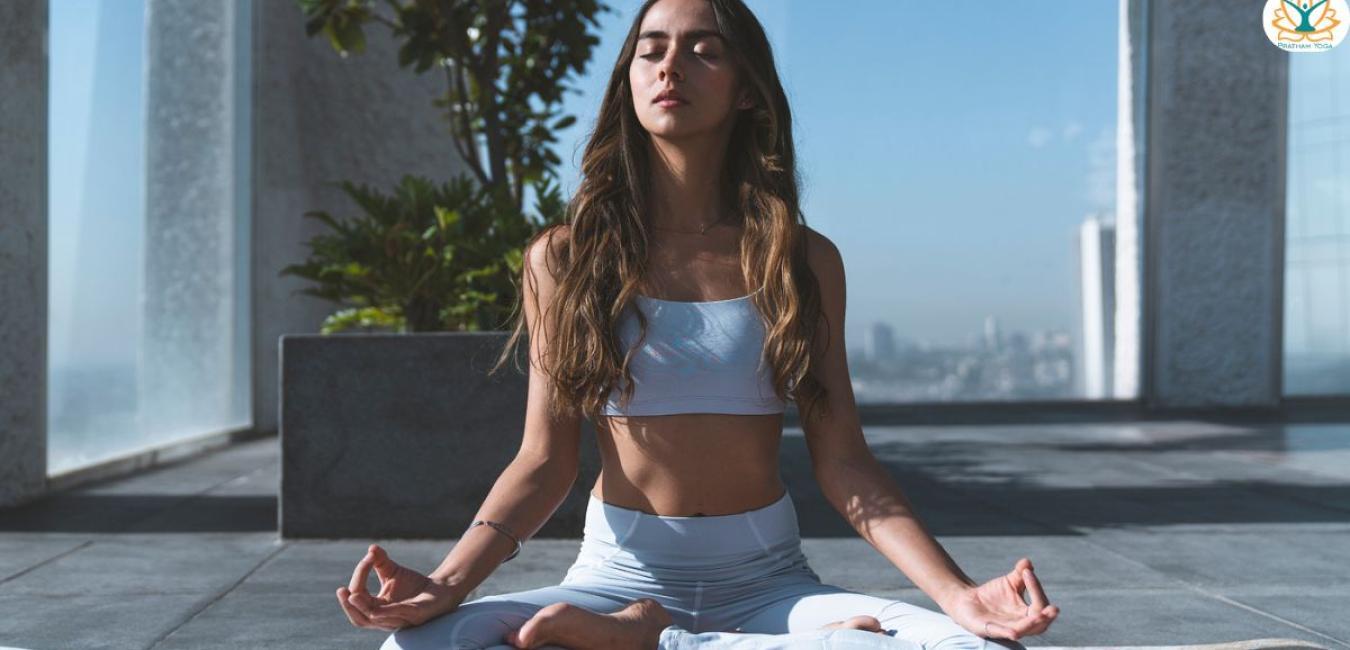
The concept of yoga disciplines represents the heart of yoga as a holistic system of self-development. While modern yoga is often associated with physical postures and fitness routines, traditional yoga disciplines encompass a far broader and deeper approach to life. Rooted in ancient wisdom, yoga disciplines guide individuals toward physical health, mental clarity, emotional balance, ethical living, and spiritual awareness. They are not isolated practices but interconnected principles that work together to create harmony within the individual and with the surrounding world.
Yoga disciplines are designed to be practical and adaptable, making them relevant across cultures, ages, and lifestyles. Whether one approaches yoga for stress relief, personal growth, or deeper self-understanding, the disciplined application of yogic principles provides a stable foundation. Understanding yoga disciplines helps practitioners move beyond surface-level practice and experience yoga as a meaningful and transformative way of life.
Understanding the Meaning of Yoga Disciplines
The word “discipline” often carries connotations of restriction or strict control, but in the yogic context, it has a very different meaning. Yoga disciplines are conscious practices that cultivate awareness, balance, and inner strength. They are tools for self-regulation rather than self-punishment. Through consistent and mindful application, yoga disciplines help individuals align their actions, thoughts, and intentions.
Yoga itself means union or integration. Therefore, yoga disciplines aim to integrate the physical body, breath, mind, and inner values into a coherent whole. When practiced with sincerity, these disciplines lead to self-awareness and a deeper connection with one’s inner nature. They encourage personal responsibility and self-reflection, allowing practitioners to grow at their own pace.
Yoga Disciplines as a Way of Life
One of the most important aspects of yoga disciplines is that they extend beyond formal practice sessions. Yoga is not limited to a mat, a studio, or a specific posture. Instead, yoga disciplines shape how one lives, works, communicates, and responds to challenges. They influence daily habits, relationships, and choices.
Living with yoga disciplines means cultivating mindfulness in everyday actions. Simple activities such as eating, walking, speaking, or breathing can become yogic when performed with awareness. This lifestyle approach makes yoga practical and sustainable, allowing its benefits to unfold gradually and naturally. Over time, yoga disciplines help individuals develop greater patience, compassion, and resilience.
Ethical Foundations of Yoga Disciplines
Ethical awareness forms the foundation of all yoga disciplines. Yogic philosophy emphasizes that inner peace cannot be achieved without harmony in one’s actions and relationships. Ethical disciplines encourage practitioners to act with integrity, kindness, and responsibility.
These principles guide how individuals interact with others and with themselves. They promote non-violence in thought and action, honesty in communication, moderation in behavior, and respect for personal and shared resources. By following ethical yoga disciplines, practitioners create a supportive inner and outer environment that nurtures growth and self-trust.
Ethical discipline is not about moral superiority but about conscious living. It helps reduce inner conflict, guilt, and emotional turbulence, creating space for clarity and self-awareness.
Physical Practices as Yoga Disciplines
Physical movement is one of the most visible aspects of yoga disciplines. Yogic postures are practiced not only for flexibility or strength but also for stability, balance, and awareness. Discipline in physical practice involves regularity, patience, and respect for the body’s natural limits.
Through disciplined movement, practitioners develop body awareness and coordination. Physical yoga disciplines help improve posture, circulation, digestion, and overall vitality. They also prepare the body for stillness, which is essential for breathwork and meditation.
Importantly, physical yoga disciplines emphasize balance rather than extremes. They encourage listening to the body and adapting practices according to individual needs. This mindful approach helps prevent injury and promotes long-term well-being.
Breath Control and Energy Regulation
Breath awareness is a central element of yoga disciplines. Conscious breathing practices regulate energy flow, calm the nervous system, and connect the body with the mind. Breath serves as a bridge between physical and mental states, making it a powerful tool for self-regulation.
Disciplined breathing practices help improve lung capacity, oxygenation, and mental focus. They are especially effective for managing stress, anxiety, and emotional fluctuations. Through consistent practice, breath discipline cultivates inner calm and mental clarity.
Yoga disciplines teach that controlling the breath is not about force but about awareness and rhythm. Gentle, mindful breathing allows energy to flow freely, supporting both physical health and mental stability.
Mental Focus and Concentration
Mental discipline is a defining feature of yoga disciplines. The human mind is naturally restless, constantly shifting between thoughts, memories, and expectations. Yoga disciplines train the mind to develop focus, stability, and awareness.
Concentration practices help practitioners direct attention intentionally rather than reactively. This ability to focus improves productivity, decision-making, and emotional regulation. Over time, mental discipline reduces unnecessary mental chatter and enhances clarity.
Yoga disciplines encourage observing the mind without judgment. This self-observation fosters insight into habitual patterns and emotional responses, allowing practitioners to make conscious changes rather than acting on impulse.
Meditation as a Core Yoga Discipline
Meditation represents the deeper aspect of yoga disciplines. It is the practice of sustained awareness, where the mind becomes calm and receptive. Meditation is not about suppressing thoughts but about understanding their nature and learning to rest in awareness.
Through regular meditation, practitioners experience greater emotional balance, reduced stress, and enhanced self-understanding. Meditation helps cultivate patience, compassion, and inner peace. It also supports creativity and intuition, making it valuable in both personal and professional life.
Yoga disciplines emphasize consistency in meditation practice. Even short daily sessions can create significant change over time. The key is regularity and sincerity rather than duration or intensity.
Discipline, Consistency, and Personal Growth
Consistency is a recurring theme in all yoga disciplines. Progress in yoga does not come from occasional effort but from steady and dedicated practice. Discipline provides structure, while awareness ensures flexibility and adaptability.
Yoga disciplines teach that growth is gradual and non-linear. There may be periods of rapid progress and times of apparent stagnation. Discipline helps practitioners stay committed during challenging phases, trusting the process rather than seeking immediate results.
This approach fosters resilience and self-confidence. By showing up consistently, practitioners develop a sense of inner stability that supports them through life’s uncertainties.
Yoga Disciplines in Modern Life
In today’s fast-paced world, yoga disciplines offer a powerful counterbalance to stress, distraction, and burnout. Modern lifestyles often emphasize speed and productivity at the expense of well-being. Yoga disciplines encourage slowing down, reflecting, and reconnecting with what truly matters.
Applying yoga disciplines in modern life does not require drastic changes. Small, mindful adjustments such as conscious breathing, regular movement, ethical awareness, and moments of stillness can have a profound impact. Yoga disciplines help individuals manage stress more effectively and cultivate emotional intelligence.
They also promote sustainable living by encouraging moderation, mindfulness, and respect for oneself and the environment. This holistic approach makes yoga disciplines relevant not only for personal health but also for collective well-being.
The Transformative Power of Yoga Disciplines
The true power of yoga disciplines lies in their transformative potential. When practiced sincerely, they bring about subtle yet profound changes in perception, behavior, and self-understanding. Practitioners often experience improved health, greater emotional balance, and a deeper sense of purpose.
Yoga disciplines help individuals reconnect with their inner wisdom. They create space for reflection and self-inquiry, allowing practitioners to live more authentically. Over time, yoga becomes less about doing and more about being.
This transformation is not limited to spiritual seekers. People from all walks of life can benefit from yoga disciplines, regardless of age, background, or belief system.
Conclusion: Embracing Yoga Disciplines as a Lifelong Path
The practice of yoga disciplines is a lifelong journey rather than a short-term goal. Rooted in ancient wisdom yet deeply relevant today, yoga disciplines provide a comprehensive framework for living with awareness, balance, and integrity. They integrate physical health, mental clarity, ethical living, and inner growth into a unified path.
By embracing yoga disciplines, individuals cultivate resilience, compassion, and self-awareness. Yoga becomes not just a practice but a way of life that supports well-being at every level. In a world filled with constant change and challenges, yoga disciplines offer a steady and reliable guide toward harmony, clarity, and inner peace.

 English
 Arabic
 French
 Spanish
 Portuguese
 Deutsch
 Dutch
Dutch
 Italiano
 Russian
 Romaian
 Portuguese (Brazil)
 Greek
Greek