


IQ vs Personality Tests: What’s the Difference and Why It Matters
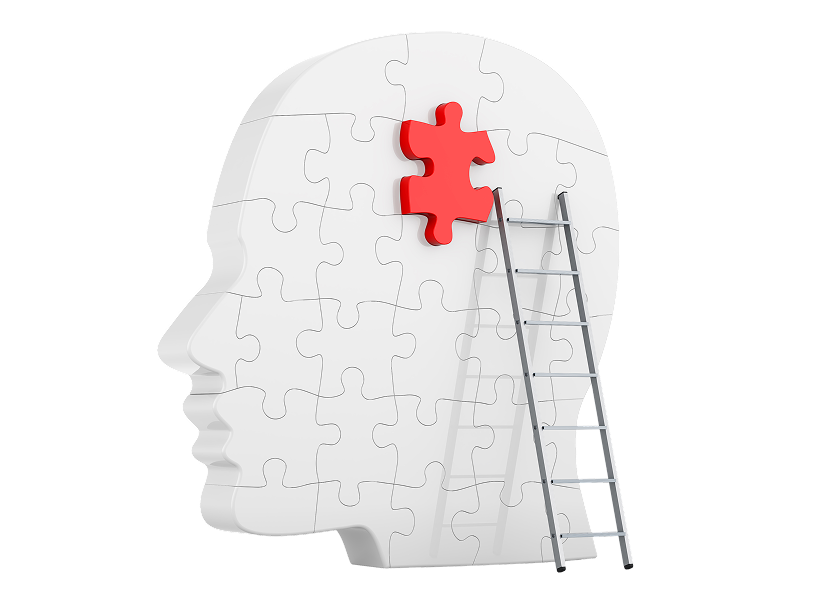
In today’s world, assessments are widely used in education, psychology, and the workplace to evaluate individuals. Among the most common types are IQ tests and personality tests. While both aim to provide insight into human behavior and abilities, they serve very different purposes. Understanding these differences is essential, especially for students, professionals, and job seekers who may encounter them in various settings.
This article explores how IQ and personality tests differ, what they measure, and why these differences matter. It also addresses a common concern among job applicants: How Do You Pass A Personality Test For A Job.
What Are IQ Tests
IQ tests are designed to measure cognitive abilities. These include reasoning, problem solving, memory, and the ability to process information. The result is typically expressed as a numerical score, which compares an individual’s performance to a standardized population.
IQ tests focus on mental performance in areas such as:
-
Logical reasoning
-
Mathematical ability
-
Verbal comprehension
-
Pattern recognition
-
Processing speed
These tests are often used in academic settings, psychological evaluations, and sometimes in job selection processes that require strong analytical skills.
What Are Personality Tests
Personality tests, on the other hand, assess behavioral traits, emotional patterns, and interpersonal tendencies. Instead of measuring how well you think, they aim to understand how you behave and interact with the world.
Common traits evaluated include:
-
Introversion or extroversion
-
Emotional stability
-
Openness to new experiences
-
Conscientiousness
-
Agreeableness
Personality tests are widely used in hiring processes, team building, and personal development. They help employers determine whether a candidate is a good fit for a specific role or organizational culture.
Key Differences Between IQ and Personality Tests
The most important distinction lies in what each test measures.
1. Cognitive Ability vs Behavioral Traits
IQ tests measure how you think, while personality tests measure how you behave. IQ focuses on intellectual capacity, whereas personality tests focus on patterns of behavior and emotional responses.
2. Objective vs Subjective Responses
IQ tests usually have right or wrong answers. Personality tests do not. Instead, they rely on self reported responses, which makes them more subjective.
3. Fixed vs Flexible Outcomes
IQ scores tend to remain relatively stable over time. Personality traits can evolve based on experiences, environment, and personal growth.
4. Purpose of Use
IQ tests are often used for academic placement or cognitive assessment. Personality tests are commonly used in hiring, leadership development, and understanding team dynamics.
Why These Differences Matter
Understanding the distinction between IQ and personality tests is important because it affects how results are interpreted and used.
For example, a high IQ score may indicate strong analytical skills, but it does not guarantee effective communication or teamwork. Similarly, a favorable personality profile may suggest strong interpersonal skills but does not necessarily reflect problem solving ability.
Employers and educators often use both types of assessments together to gain a more complete understanding of an individual. This combined approach provides insight into both ability and behavior.
Role in the Hiring Process
In the workplace, both IQ and personality tests can play a role in hiring decisions.
IQ Tests in Hiring
Employers may use IQ tests for roles that require critical thinking, data analysis, or technical expertise. These tests help identify candidates who can handle complex tasks and learn quickly.
Personality Tests in Hiring
Personality tests are more commonly used to assess cultural fit and work style. Employers want to know how candidates will interact with colleagues, handle stress, and adapt to challenges.
This is where the question How Do You Pass A Personality Test For A Job becomes relevant.
How Do You Pass A Personality Test For A Job
Many job seekers worry about how to perform well on personality tests. Unlike IQ tests, there are no correct answers. However, there are strategies to approach them effectively.
1. Be Honest but Thoughtful
Answer questions truthfully, but keep the job role in mind. Employers value authenticity, but they also look for traits that align with the position.
2. Understand the Role Requirements
Before taking the test, consider what qualities are important for the job. For example, leadership roles may require assertiveness, while customer service roles may prioritize empathy.
3. Stay Consistent
Personality tests often include similar questions phrased differently. Consistency in your answers helps demonstrate reliability.
4. Avoid Overthinking
Go with your first instinct rather than trying to analyze every question. Overthinking can lead to inconsistent responses.
5. Present Your Best Professional Self
Think of how you behave in a work environment rather than in casual settings. This helps align your responses with professional expectations.
Understanding How Do You Pass A Personality Test For A Job is not about manipulating answers but about presenting your strengths in a way that matches the role.
Strengths of IQ Tests
IQ tests offer several advantages:
-
Provide a standardized measure of cognitive ability
-
Predict academic performance
-
Help identify learning needs
-
Useful for roles requiring analytical skills
They are especially valuable in educational and clinical settings where objective measurement is important.
Limitations of IQ Tests
Despite their strengths, IQ tests have limitations:
-
Do not measure creativity or emotional intelligence
-
May be influenced by cultural or educational background
-
Do not capture practical skills
Relying solely on IQ scores can lead to an incomplete understanding of an individual’s capabilities.
Strengths of Personality Tests
Personality tests provide insights that IQ tests cannot:
-
Help understand behavior and communication style
-
Predict workplace compatibility
-
Support team building and leadership development
-
Encourage self awareness
They are particularly useful in environments where collaboration and interpersonal skills are important.
Limitations of Personality Tests
Personality tests also have drawbacks:
-
Responses can be influenced by self perception or bias
-
Results may vary depending on mood or context
-
Lack of clear right or wrong answers
These factors make interpretation more complex compared to IQ tests.
Combining Both for Better Insights
Using both IQ and personality tests together provides a more comprehensive evaluation.
For example:
-
A candidate with high IQ and strong interpersonal skills may excel in leadership roles
-
Someone with moderate IQ but high conscientiousness may perform consistently and reliably
-
A creative individual may not score highest on IQ tests but may bring valuable innovation
This combination helps organizations make better decisions and individuals understand their strengths more clearly.
Practical Implications for Students and Professionals
Understanding these tests can benefit you in several ways:
-
Prepare effectively for assessments
-
Identify your strengths and areas for improvement
-
Choose career paths that align with your abilities and personality
-
Improve self awareness and personal growth
Whether you are a student or a working professional, knowing how these tests work can give you an advantage.
Final Thoughts
IQ tests and personality tests serve different but complementary purposes. While IQ tests measure cognitive abilities, personality tests explore behavioral traits and emotional patterns. Both are valuable tools, but neither provides a complete picture on its own.
The question How Do You Pass A Personality Test For A Job highlights the importance of understanding what employers are looking for. Success lies not in trying to game the system but in presenting an authentic and consistent version of yourself that aligns with the role.
By recognizing the differences between these assessments and using them to your advantage, you can navigate academic, professional, and personal challenges more effectively. Intelligence and personality together shape who you are, and understanding both is key to achieving long term success.

 English
 Arabic
 Spanish
 Portuguese
 Deutsch
 Turkish
 Dutch
Dutch
 Italiano
 Russian
 Romaian
 Portuguese (Brazil)
 Greek
Greek