


How Caribbean Diaspora Culture Is Passed to the New Generation
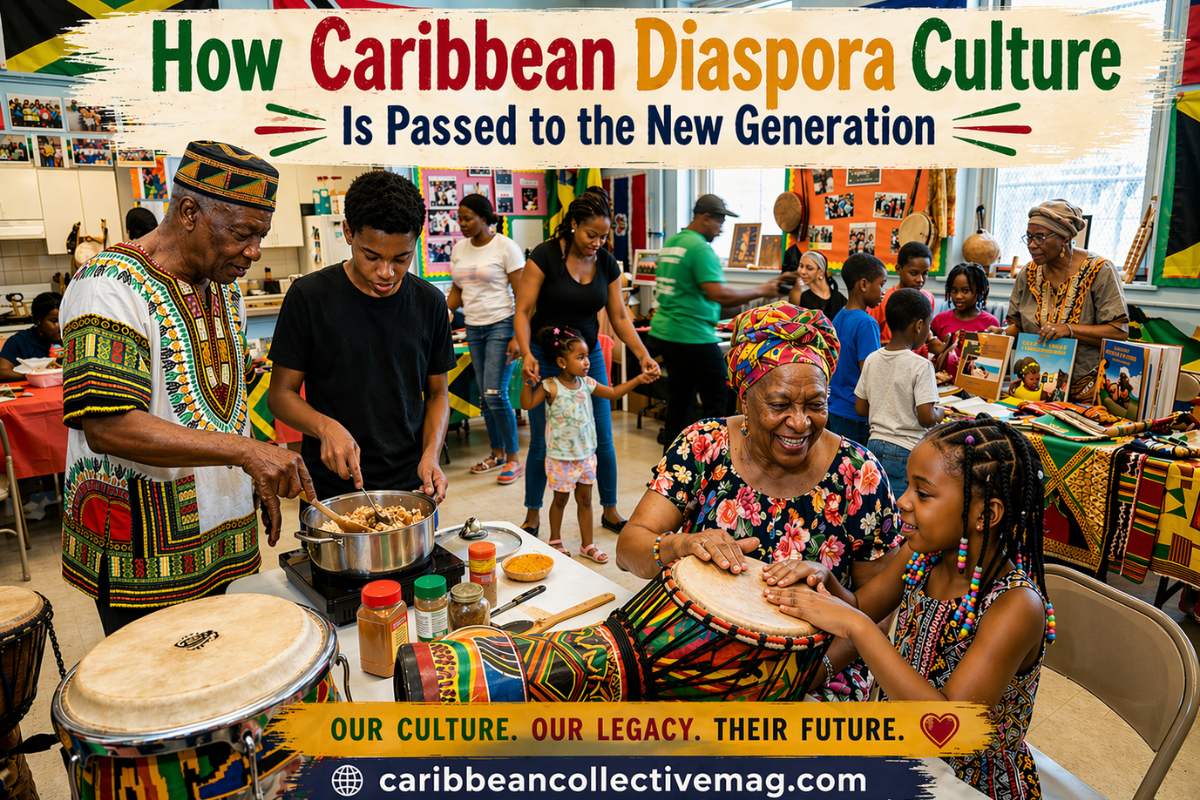
The heartbeat of Caribbean Diaspora Culture never truly leaves — it travels in suitcases, recipes, folk songs, and the stories whispered between grandparents and grandchildren across continents. Millions of Caribbean descendants living in the United States, United Kingdom, Canada, and beyond are finding powerful, creative ways to ensure that their heritage does not dissolve into the mainstream. From kitchen tables in Toronto to community centers in London, the transmission of Caribbean Diaspora Culture to younger generations is both a conscious effort and a deeply emotional act of love.
The Roots of Caribbean Diaspora Culture
What Shapes Caribbean Identity in the Diaspora?
Caribbean identity is not a single thread — it is a rich weave of African, Indigenous, South Asian, European, and Creole influences. When Caribbean families migrate, they carry this complexity with them. Language, religion, food, music, and oral tradition form the core pillars of this identity. Whether it is Jamaican patois spoken at home, Trinidadian doubles made on Sunday mornings, or the steel pan rhythms that fill a Brooklyn block party, these practices are living archives of culture.
The diaspora experience, however, is layered with tension. Second and third-generation youth often navigate a dual identity — belonging to their host country while simultaneously honoring the homeland they may have never visited. This tension, rather than erasing culture, often becomes the very engine that drives cultural preservation.
How Caribbean Diaspora Culture Is Transmitted
Food as Cultural Memory
One of the most powerful vehicles of Caribbean Diaspora Culture is food. Grandmothers teaching grandchildren to make jerk chicken, roti, rice and peas, or black cake for Christmas are doing far more than sharing recipes. They are passing down geography, history, and identity in every step of the process. The smell of scotch bonnet peppers or the sound of a wooden spoon against a cast iron pot can instantly reconstruct a sense of home across generations.
Community cookouts, Caribbean food festivals, and diaspora restaurants in major cities also serve this purpose on a broader scale — reminding young people that their culture has flavor, literally and figuratively.
Language, Storytelling, and Oral Tradition
Caribbean cultures have always been oral cultures. Anansi stories from West African-Jamaican tradition, calypso lyrics that carry social commentary, and the cadences of Creole and patois all represent a spoken heritage that books alone cannot capture. Elders who share folklore, proverbs, and family histories with younger relatives are performing an act of cultural survival.
In the digital age, this oral tradition has found new platforms. Caribbean podcasters, YouTube storytellers, and social media creators are translating ancestral oral traditions into formats that resonate with Gen Z. The message stays the same; only the medium evolves.
Music and Dance
Reggae, soca, dancehall, calypso, kompa, and zouk are not just genres — they are cultural dialects. Caribbean music carries the history of resistance, joy, struggle, and celebration. When a Jamaican-British teen discovers Bob Marley or a Haitian-Canadian young adult falls in love with kompa at a family gathering, they are being initiated into something much larger than entertainment.
Dance schools, cultural carnivals like Notting Hill Carnival and Labor Day Parade in Brooklyn, and youth music programs actively channel these traditions into the lives of younger generations.
Education and Community Organizations
Formal and informal education plays a critical role in passing down Caribbean Diaspora Culture. Caribbean community organizations in diaspora cities often run Saturday schools, summer camps, and heritage programs specifically designed to teach children about their history — including the painful chapters of colonialism and slavery — as well as the triumphs of independence movements and cultural icons.
Parents who supplement mainstream schooling with these programs are investing in cultural literacy, ensuring their children understand where they come from, not just where they are.
The Digital Revolution and Cultural Continuity
Social media has emerged as an unexpected but powerful tool for cultural transmission. Caribbean diaspora creators on Instagram, TikTok, and YouTube are building massive audiences by celebrating their heritage — through cooking videos, history explainers, patois lessons, and diaspora comedy that only those who "understand the culture" truly get. These creators serve as cultural bridges, keeping traditions alive while making them accessible and cool to younger audiences worldwide.
📝 Submit Your Pitch — Start Your Submission
Do you have a story or experience you'd like to share with our audience? We cover topics like business, fashion, identity, culture, politics, and more. Submit your story or pitch and let your voice be part of the conversation.
Why Preserving Caribbean Diaspora Culture Matters
Cultural identity is directly tied to mental health, belonging, and self-worth. Research consistently shows that young people with strong cultural connections demonstrate greater resilience and a more confident sense of self. For Caribbean diaspora youth, knowing their culture — its depth, its beauty, its pain, and its power — gives them an anchor in a world that often tries to flatten their identity.
Preserving Caribbean Diaspora Culture is therefore not nostalgia. It is a radical act of continuity, resistance, and pride.
Frequently Asked Questions (FAQs)
Q1: What is Caribbean Diaspora Culture?
Caribbean Diaspora Culture refers to the collective traditions, languages, foods, music, values, and customs maintained by Caribbean people and their descendants living outside the Caribbean region — primarily in North America, the United Kingdom, and Europe.
Q2: Why is it important to preserve Caribbean culture in the diaspora?
Preserving Caribbean culture helps diaspora communities maintain a sense of identity, belonging, and psychological well-being. It also ensures that rich traditions — many of which survived colonialism and slavery — are not lost to assimilation.
Q3: How do Caribbean families pass their culture to children born abroad?
Through food, language, music, storytelling, religious practices, community events, cultural festivals, and increasingly, through digital content and social media platforms.
Q4: What role does food play in Caribbean cultural transmission?
Food is one of the most tangible and emotionally resonant ways culture is shared. Cooking traditional dishes together creates shared memory and teaches history, geography, and values simultaneously.
Q5: How has social media helped preserve Caribbean Diaspora Culture?
Caribbean diaspora creators use platforms like TikTok, YouTube, and Instagram to share language lessons, traditional recipes, history, and cultural commentary — making heritage both visible and engaging for younger generations globally.
Q6: What are some key traditions central to Caribbean Diaspora Culture?
Key traditions include Carnival celebrations, Junkanoo festivals, oral storytelling (including Anansi folklore), Caribbean music genres like reggae and soca, religious practices such as Rastafarianism and Spiritual Baptist faith, and the preparation of traditional foods during holidays and family gatherings.
Q7: Are Caribbean diaspora youth losing their cultural identity?
While assimilation pressures are real, many young Caribbean diaspora individuals are actively reclaiming and celebrating their heritage — often more consciously than previous generations — through community engagement, travel to ancestral homelands, and digital cultural participation.
Conclusion
Caribbean Diaspora Culture is not fading — it is evolving. From grandmothers sharing recipes in London kitchens to young creators celebrating their roots on TikTok, the passage of culture to the new generation is happening in beautiful, resilient ways. It lives in the music played at family gatherings, the stories told before bedtime, and the festivals that paint city streets with Caribbean color. Every conscious effort to teach, share, and celebrate this heritage ensures that Caribbean identity remains vibrant across borders and generations. The culture does not just survive migration — it grows stronger because of it.

 English
 Arabic
 French
 Spanish
 Portuguese
 Deutsch
 Turkish
 Dutch
Dutch
 Russian
 Romaian
 Portuguese (Brazil)
 Greek
Greek