


Mold Testing Guide for Homes and Indoor Air Safety
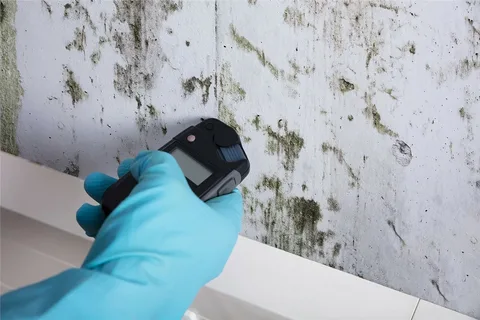
Mold is a common problem in homes and buildings, especially in areas with high humidity or water damage. While some mold is visible and easy to identify, much of it can grow hidden behind walls, under floors, or in ventilation systems. This is where mold testing becomes essential. Mold testing helps detect the presence, type, and concentration of mold spores in indoor environments. Understanding mold testing can help homeowners protect their property and health.
This article explores what mold testing is, why it is important, different testing methods, when you should consider it, and whether professional services are necessary.
What Is Mold Testing
Mold testing is the process of analyzing air or surface samples to detect mold spores. These tests determine whether mold is present, identify the type of mold, and measure its concentration. Mold spores are microscopic and can spread through the air, making them difficult to detect without proper tools.
Testing typically involves collecting samples from the air or surfaces and sending them to a laboratory for analysis. The results help identify whether mold levels are normal or potentially harmful.
Why Mold Testing Is Important
Protecting Health
Exposure to mold can lead to various health issues, especially for people with allergies, asthma, or weakened immune systems. Symptoms may include coughing, sneezing, skin irritation, and respiratory problems. Mold testing helps identify harmful mold before it affects your health.
Detecting Hidden Mold
Mold often grows in hidden areas such as behind drywall, inside HVAC systems, or beneath carpets. Mold testing can uncover these hidden problems that may not be visible during a standard inspection.
Preventing Structural Damage
Mold feeds on organic materials like wood and drywall. Over time, it can weaken the structure of your home. Early detection through mold testing can prevent costly repairs.
Improving Indoor Air Quality
Mold spores can circulate through the air, reducing indoor air quality. Testing ensures that your indoor environment remains safe and clean.
Types of Mold Testing Methods
Air Sampling
Air sampling measures the number of mold spores in the air. A device collects air samples, which are then analyzed in a laboratory. This method is useful for detecting airborne mold and assessing indoor air quality.
Surface Sampling
Surface sampling involves collecting samples from walls, floors, or other surfaces using swabs or tape. This method identifies visible mold and determines its type.
Bulk Sampling
Bulk sampling involves removing a piece of material, such as drywall or carpet, for laboratory testing. This method provides a detailed analysis of mold growth within materials.
DIY Mold Testing Kits
DIY mold testing kits are available for homeowners. These kits allow you to collect samples and send them to a lab. While they are convenient, they may not be as accurate as professional testing.
When Should You Consider Mold Testing
After Water Damage
If your home has experienced flooding, leaks, or water damage, mold can develop quickly. Testing ensures that mold has not spread.
Visible Mold Growth
If you see mold on walls, ceilings, or other surfaces, testing can confirm its type and severity.
Unexplained Health Symptoms
If you or your family members experience persistent respiratory issues or allergies, mold testing can help identify the cause.
Musty Odors
A persistent musty smell often indicates hidden mold. Testing can locate the source.
Real Estate Transactions
Mold testing is often recommended when buying or selling a property to ensure it is safe and free from contamination.
Professional Mold Testing vs DIY Testing
Professional Mold Testing
Professional mold inspectors use advanced equipment and techniques to detect mold accurately. They provide detailed reports and recommendations for remediation. Professionals can also identify hidden mold and assess the severity of the problem.
DIY Mold Testing
DIY kits are affordable and easy to use, but they have limitations. They may not provide accurate results or identify all mold types. DIY testing is best for preliminary checks, while professional testing is recommended for serious concerns.
What Happens During a Mold Inspection
A professional mold inspection typically includes:
- Visual inspection of the property
- Moisture level assessment
- Air and surface sampling
- Laboratory analysis
- Detailed report with findings and recommendations
Inspectors may also use tools like moisture meters and infrared cameras to detect hidden mold.
Cost of Mold Testing
The cost of mold testing varies depending on the size of the property and the type of testing required. On average:
- Basic testing can cost between 100 and 300 dollars
- Comprehensive inspections may range from 300 to 600 dollars or more
While this may seem expensive, early detection can save significant repair costs in the long run.
Mold Testing vs Mold Inspection
It is important to understand the difference between mold testing and mold inspection. Mold inspection involves identifying visible signs of mold and moisture issues, while mold testing provides scientific data about mold presence and concentration. Both services often work together to provide a complete assessment.
How to Prevent Mold Growth
Preventing mold is easier than removing it. Here are some practical tips:
- Keep indoor humidity below 50 percent
- Fix leaks and water damage promptly
- Ensure proper ventilation in bathrooms and kitchens
- Use dehumidifiers in damp areas
- Clean and maintain HVAC systems regularly
Taking these steps can reduce the need for mold testing and remediation.
Conclusion
Mold testing plays a crucial role in maintaining a safe and healthy indoor environment. It helps detect hidden mold, protect your health, and prevent structural damage to your property. Whether you are dealing with water damage, unexplained health symptoms, or simply want peace of mind, mold testing provides valuable insights.
While DIY kits can be useful for basic checks, professional mold testing offers more accurate and comprehensive results. Investing in mold testing today can save you from costly repairs and health issues in the future.

 English
 Arabic
 French
 Spanish
 Deutsch
 Turkish
 Dutch
Dutch
 Italiano
 Russian
 Romaian
 Portuguese (Brazil)
 Greek
Greek