


The Hidden Energy Drain: How Poor Insulation Affects Your AC's Efficiency (And How to Fix It)
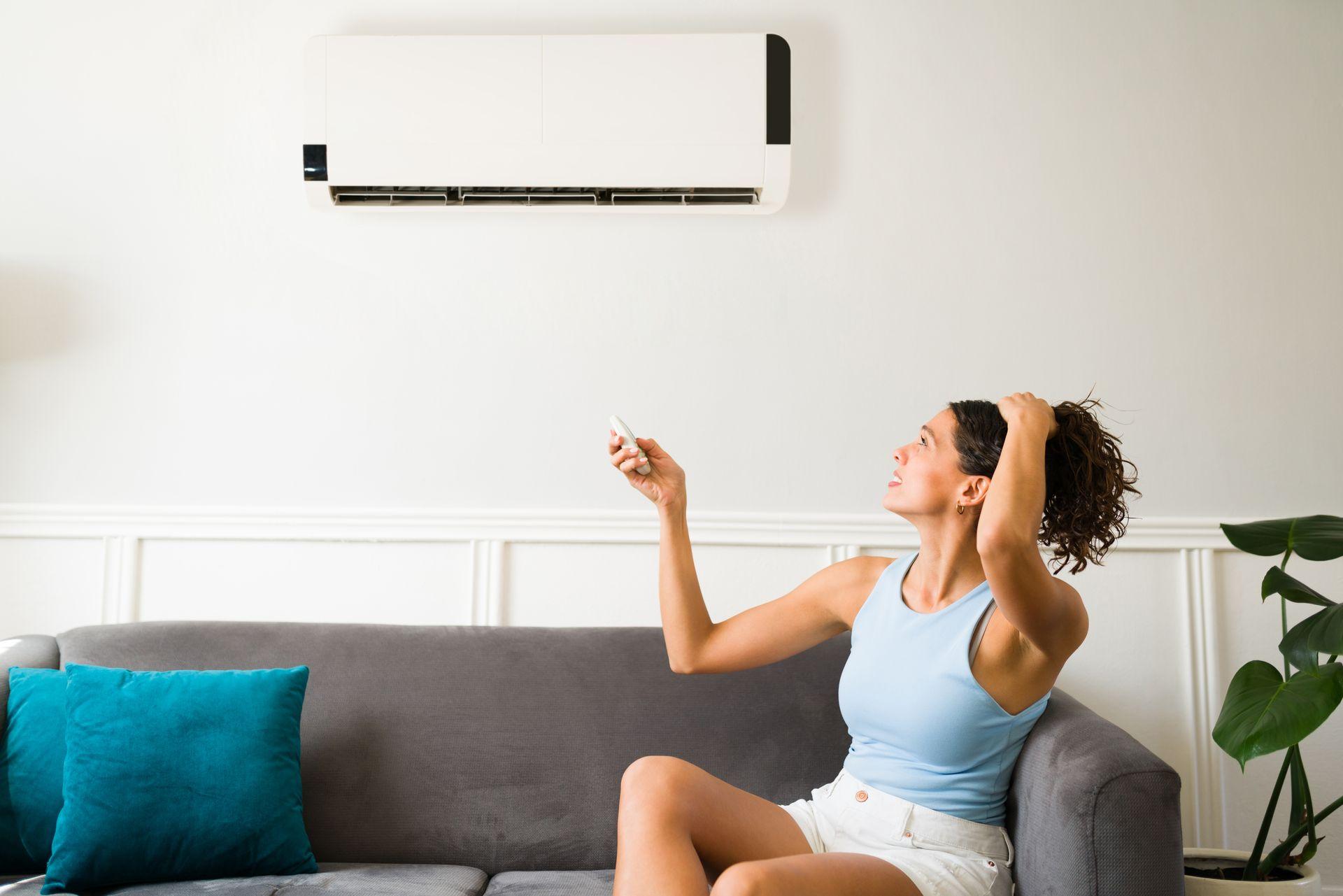
Ever felt like your air conditioner is working overtime, but your home still does not feel cool enough? You are not alone. Many homeowners focus on upgrading their AC units while overlooking a major factor that quietly drains energy and money. Poor insulation acts like an open window you cannot see. It lets cool air escape and invites heat inside, forcing your system to work harder than it should.
If your goal is comfort without skyrocketing bills, understanding insulation is essential. Let’s break down how this hidden issue affects your AC and what you can do about it.
How Insulation Impacts Your AC Performance
The Role of Insulation in Temperature Control
Insulation works like a protective barrier around your home. It slows down heat transfer, keeping hot air out during summer and trapping cool air inside. Without proper insulation, your AC struggles to maintain a stable temperature.
Think of it like filling a bucket with water that has small holes. No matter how much you pour in, it keeps leaking. Your AC faces the same problem when the insulation is weak.
Air Leaks and Heat Gain
Cracks, gaps, and poorly sealed areas allow warm air to enter your home. Attics, walls, and windows are common trouble spots. This heat gain forces your AC to run longer cycles just to maintain comfort.
Signs Your Insulation Is Hurting Your Cooling Efficiency
Constant AC Usage Without Results
If you often wonder, “why is my AC running constantly but not cooling?”, insulation could be the missing piece. Your system may be functioning correctly, but it cannot keep up with the continuous heat entering your space.
Uneven Room Temperatures
Some rooms feel cool while others stay warm. This imbalance often points to insulation gaps that allow heat to sneak in.
Rising Energy Bills
A high electricity bill in summer is not always due to heavy AC usage. Poor insulation increases energy demand, making your cooling system consume more power than necessary.
Common Areas Where Insulation Fails
Attics and Roof Spaces
Heat rises and accumulates in the attic. Without proper insulation, this heat seeps into your living areas, making your AC work harder.
Walls and Crawl Spaces
Walls without adequate insulation allow outdoor temperatures to affect indoor comfort. Crawl spaces can also trap heat and humidity if not properly sealed.
Doors and Windows
Small gaps around doors and windows create significant air leaks. Even a tiny opening can let in enough warm air to disrupt cooling.
The Real Cost of Poor Insulation
Increased Energy Consumption
Your AC consumes more electricity when it runs longer cycles. Over time, this leads to higher utility bills and unnecessary energy waste.
Shortened AC Lifespan
Constant operation puts extra strain on your system. Components wear out faster, leading to frequent repairs or early replacement.
Reduced Indoor Comfort
A poorly insulated home never feels consistently comfortable. You may notice humidity issues, hot spots, or difficulty maintaining your desired temperature.
How to Fix Insulation Problems Effectively
Upgrade to Proper Insulation Materials
Investing in home insulation for cooling is one of the most effective ways to improve efficiency. Materials like fiberglass, foam, and cellulose help create a strong thermal barrier.
Seal Air Leaks
Use weatherstripping, caulk, and door seals to close gaps. Focus on areas around windows, doors, and vents. This simple step can make a noticeable difference.
Improve Attic Insulation
Adding or upgrading attic insulation reduces heat transfer significantly. It prevents hot air from affecting your indoor environment.
Install Reflective Barriers
Radiant barriers reflect heat away from your home. They are especially useful in hot climates where sunlight intensity is high.
Smart Habits to Support Better Cooling
Use Curtains and Blinds
Blocking direct sunlight reduces heat gain inside your home. This helps your AC maintain a stable temperature.
Regular AC Maintenance
Clean filters and well-maintained units operate more efficiently. While insulation is crucial, your AC still needs proper care.
Monitor Energy Usage
Keep an eye on your electricity consumption. Sudden increases can indicate insulation or cooling issues.
A Quick Reality Check on Spending Priorities
Many homeowners focus solely on comparing air conditioner prices in Pakistan, often neglecting the crucial benefits of energy efficiency investments. While small savings are tempting, investing in better insulation can lead to significant long-term financial gains and enhanced comfort, making it a smarter choice for your home.
Conclusion: Comfort Starts with the Right Foundation
Your air conditioner is only as effective as the environment it operates in. Poor insulation quietly drains energy, increases costs, and reduces comfort. By identifying problem areas and making targeted improvements, you can transform your home into an energy-efficient space.
Small changes like sealing gaps or upgrading insulation can lead to noticeable results. Lower bills, better cooling, and longer AC lifespan all start with addressing this hidden issue.
If you are ready to upgrade your home comfort, explore reliable solutions with BnW Collections. Discover high-quality cooling appliances and energy-efficient options designed to keep your home comfortable without unnecessary energy waste.

 English
 Arabic
 French
 Spanish
 Deutsch
 Turkish
 Dutch
Dutch
 Italiano
 Russian
 Romaian
 Portuguese (Brazil)
 Greek
Greek