


Ozempic vs Wegovy Injections: Which One Works Better for Weight Loss?
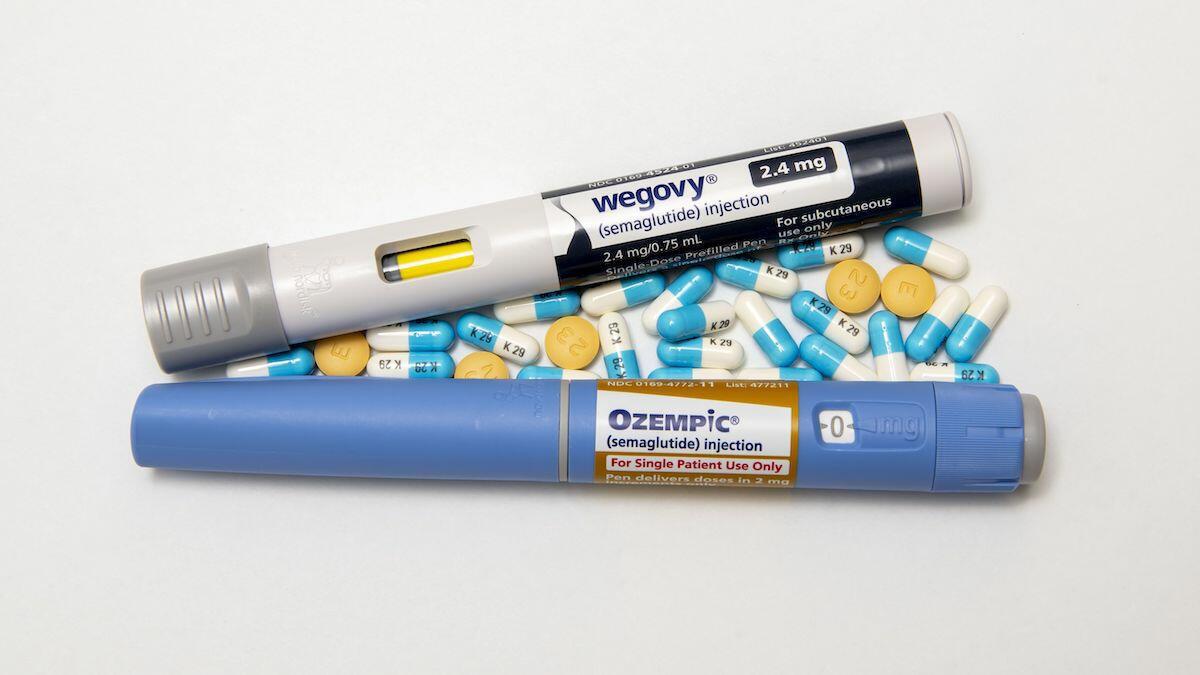
Weight loss medications have reshaped the way obesity and metabolic health are managed. Among the most discussed treatments today are Ozempic Injections in Dubai(حقن أوزمبيك في دبي) and Wegovy. Both are once-weekly injections containing semaglutide, a GLP-1 receptor agonist known for appetite suppression and blood sugar regulation.
But when it comes to the key question—which one works better for weight loss?—the answer depends on dosage strength, clinical outcomes, and individual health goals.
This in-depth comparison explores how each medication works, their effectiveness for fat loss, differences in dosing, side effects, sustainability, and what scientific research suggests about long-term weight management.
How Do Ozempic and Wegovy Support Weight Loss?
Both injections contain semaglutide, a medication that mimics glucagon-like peptide-1 (GLP-1), a natural hormone responsible for regulating appetite and insulin secretion.
Semaglutide supports weight reduction by:
-
Slowing gastric emptying to prolong fullness
-
Reducing hunger signals in the brain
-
Lowering overall calorie intake
-
Improving insulin sensitivity
-
Stabilizing blood glucose levels
Because they share the same active ingredient, Ozempic and Wegovy function through the same biological pathway. However, the key difference lies in how much semaglutide is delivered and for what purpose it was approved.
Primary Indication: Diabetes Control vs Chronic Weight Management
One major factor influencing which works better for weight loss is the medication’s intended purpose.
Ozempic was originally developed for adults with type 2 diabetes to improve glycemic control. While many users experience weight loss, its primary goal is blood sugar regulation.
Wegovy, in contrast, was specifically approved for chronic weight management in adults with obesity or those who are overweight with weight-related health conditions. Its dosing strategy is optimized for body fat reduction rather than solely blood glucose improvement.
This difference in therapeutic focus plays a crucial role in determining effectiveness for weight loss.
Dosage Strength and Its Impact on Results:
When comparing Ozempic vs Wegovy injections for weight loss, dosage matters significantly.
Ozempic maintenance doses typically range up to 2 mg weekly. Wegovy, however, reaches a higher maximum maintenance dose of 2.4 mg weekly.
That higher dose of semaglutide in Wegovy allows for stronger appetite suppression and greater total body weight reduction in many clinical studies.
Both medications follow a gradual dose escalation schedule to reduce gastrointestinal side effects such as nausea, vomiting, and diarrhea. This stepwise increase improves tolerability and encourages adherence.
Clinical Weight Loss Outcomes:
Scientific trials show that higher-dose semaglutide produces more substantial weight reduction. Participants using semaglutide 2.4 mg weekly experienced significant fat loss, often achieving an average reduction of 10–15% of total body weight over time.
While Ozempic users frequently report weight loss as well, results tend to be slightly lower on average compared to the higher-dose regimen used in Wegovy.
However, real-world results depend on several factors, including:
-
Caloric intake
-
Physical activity level
-
Metabolic rate
-
Hormonal balance
-
Consistency with weekly injections
For individuals primarily seeking weight management rather than diabetes control, Wegovy’s higher dosage may offer more noticeable body composition changes.
Appetite Suppression and Hunger Control:
One of the strongest predictors of weight loss success is appetite regulation.
Semaglutide works on appetite-regulating centers in the brain, reducing cravings and emotional eating. Many users report:
-
Smaller portion sizes
-
Reduced snacking
-
Improved satiety
-
Fewer sugar cravings
Because Wegovy delivers a higher therapeutic dose, appetite suppression may be more pronounced in some patients. This can lead to greater calorie deficit and enhanced fat burning over time.
However, both medications effectively reduce hunger hormones and support mindful eating patterns when combined with lifestyle adjustments.
Blood Sugar and Metabolic Health Benefits:
While weight loss is often the primary goal, metabolic health improvements should not be overlooked.
Ozempic has strong evidence supporting:
-
HbA1c reduction
-
Improved insulin sensitivity
-
Cardiovascular risk reduction
-
Lower fasting glucose levels
Wegovy also improves metabolic markers, but its primary focus is obesity treatment rather than diabetes management alone.
If weight loss and metabolic syndrome coexist, both medications may offer dual benefits.
Side Effects and Tolerability:
Because both injections contain semaglutide, their side effect profiles are similar. Common side effects include:
-
Nausea
-
Diarrhea
-
Constipation
-
Abdominal discomfort
-
Temporary fatigue
Higher doses, like those used in Wegovy, may increase the likelihood of gastrointestinal symptoms during the early stages of treatment.
Most side effects decrease over time as the body adapts. Eating smaller meals, avoiding high-fat foods, and staying hydrated can help manage discomfort.
Serious side effects are rare but may include pancreatitis or gallbladder complications, which is why medical supervision is essential.
Long-Term Weight Management and Sustainability:
When asking which works better for weight loss, it’s important to consider sustainability.
Both Ozempic and Wegovy are designed for long-term use as part of a comprehensive weight management strategy that includes:
-
Balanced nutrition
-
Regular exercise
-
Behavioral therapy
-
Adequate protein intake
-
Hydration
Stopping semaglutide treatment without maintaining healthy habits can result in partial weight regain. Sustainable success depends on combining medication with lifestyle transformation.
Injection Method and Convenience:
Both medications are administered as a once-weekly subcutaneous injection using pre-filled pens. They are typically injected into the abdomen, thigh, or upper arm.
The weekly dosing schedule improves convenience compared to daily weight loss medications and supports higher adherence rates.
Who May Experience Better Results with Each?
Choosing between Ozempic vs Wegovy Injections(حقن ويجوفي) depends on personal health priorities.
Wegovy may be more effective for individuals whose primary goal is significant weight reduction due to its higher dose.
Ozempic may be more suitable for individuals managing type 2 diabetes who also desire moderate weight loss benefits.
Ultimately, body mass index (BMI), metabolic health, cardiovascular risk, and personal tolerance determine which option performs better for a specific individual.
Frequently Asked Questions:
Does Wegovy Cause More Weight Loss Than Ozempic?
Clinical data suggests that higher-dose semaglutide, as used in Wegovy, often results in greater average weight reduction compared to lower-dose regimens.
Is the Active Ingredient Different?
No. Both injections contain semaglutide, but they differ in maximum dosage and approved indication.
How Fast Do Results Appear?
Many users notice appetite suppression within weeks, but significant weight loss typically develops gradually over several months.
Can These Medications Burn Fat Without Dieting?
They support fat loss by reducing calorie intake through appetite suppression, but lifestyle modifications improve outcomes.
Final Verdict: Which Works Better for Weight Loss?
In the comparison of Ozempic vs Wegovy injections, the primary difference lies in dosage and treatment focus.
Wegovy, designed specifically for chronic weight management and delivered at a higher dose, generally produces greater average weight loss in clinical settings.
Ozempic, while highly effective for blood sugar control and capable of supporting weight reduction, may produce slightly lower total body weight changes compared to the obesity-specific regimen.
The best choice depends on your health profile, weight loss goals, and medical guidance. Both treatments represent powerful tools in modern obesity medicine, offering meaningful improvements in appetite control, metabolic health, and overall well-being when combined with consistent lifestyle habits.

 English
 Arabic
 French
 Spanish
 Portuguese
 Deutsch
 Turkish
 Dutch
Dutch
 Russian
 Romaian
 Portuguese (Brazil)
 Greek
Greek