


The Ultimate Guide to Sourcing Authentic Vintage Home Decor Online and In-Store
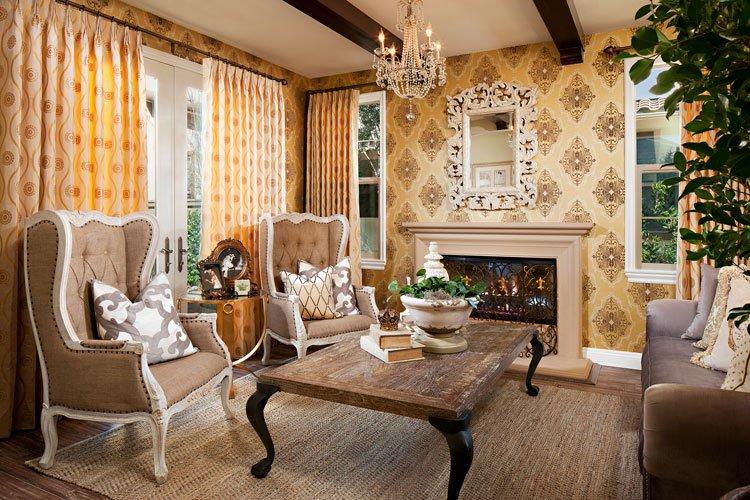
Homeowners today face a growing challenge when decorating their spaces. Many pieces labeled as vintage online or in stores are actually reproductions or mass-produced items designed to look old. This makes it difficult for buyers to know what is truly authentic and worth investing in. The confusion often leads to poor purchasing decisions and wasted money.
This problem becomes more serious as demand increases. According to Statista, the global home decor market continues to grow rapidly, with vintage-inspired products taking a significant share. However, not all products labeled as vintage reflect true craftsmanship or historical value. This is where the search for vintage home decor becomes both exciting and risky.
Buyers want character and history in their homes, but they also want assurance that what they are buying is genuine and long-lasting. Without proper knowledge, it is easy to end up with items that lose value quickly. In this guide, we will break down how to source authentic pieces both online and in-store, using real examples from the US market and practical insights from design professionals.
The Problem: Confusion in the Vintage Furniture Market
One of the biggest issues in the vintage market today is mislabeling. Many online platforms mix authentic pieces with modern reproductions, making it difficult for buyers to distinguish between the two. Even experienced shoppers sometimes struggle to identify true vintage quality. The rise of e-commerce has made this problem more visible. Platforms like online marketplaces have thousands of listings, but not all sellers provide accurate descriptions. This creates uncertainty for buyers looking for genuine pieces for their homes.
Another challenge is pricing inconsistency. Two identical-looking items may have drastically different prices depending on the seller’s knowledge or location. This makes the buying process even more confusing for first-time collectors. This is especially important when sourcing vintage home decor where material quality, craftsmanship, and historical relevance significantly affect value. Without proper research, buyers often overpay for items that are not truly vintage.
Agitation: The Risks of Buying Without Verification
When buyers do not verify authenticity, they often face long-term disappointment. A common issue in the US resale market is furniture that looks aged but has been artificially distressed. These pieces may look appealing at first but lack durability and long-term value. There is also a growing issue with resale scams on online platforms. According to consumer reports in the United States, furniture-related fraud has increased in recent years, especially in peer-to-peer marketplaces. Buyers often discover defects only after delivery, which leads to financial loss and frustration.
This issue also extends into styling decisions. Many buyers pair low-quality pieces with accessories, including designer desk accessories, thinking they are creating a curated aesthetic. However, when the foundation furniture lacks authenticity, the overall design feels inconsistent. Even interior designers have noted that poorly sourced items can disrupt the visual flow of a room. What should feel like a curated space ends up looking mismatched and unbalanced, reducing both aesthetic and resale value.
Solution: How to Source Authentic Pieces Online
The first step in solving this issue is choosing trusted platforms. Websites such as Chairish, 1stDibs, and Etsy are widely used in the United States for sourcing verified pieces. These platforms often include seller histories, authentication details, and curated collections that reduce risk for buyers. Another important strategy is studying product descriptions carefully. Authentic listings usually include material details, maker information, and historical context. Buyers should avoid listings that rely only on aesthetic photos without detailed background information.
In many US homes, designers combine authentic furniture with small decorative pieces and even designer desk accessories to maintain balance in home offices and living spaces. This approach ensures consistency across different areas of the home. From personal experience working with residential design projects, I have found that investing time in research before purchasing saves both money and effort later. It also improves the overall quality of the interior space significantly.
In-Store Sourcing: Flea Markets and US Case Studies
While online platforms are convenient, in-store sourcing still plays a major role in finding authentic items. Flea markets, antique stores, and estate sales in the United States remain some of the best places to discover genuine pieces. Markets like the Brooklyn Flea in New York and Round Top Antiques Fair in Texas attract both professional collectors and everyday buyers. These locations often feature verified vendors who specialize in mid-20th-century furniture and decor. In a recent renovation project in California, a design team sourced over 60% of its interior pieces from physical antique markets.
The result was a highly personalized space that retained strong historical character while still feeling modern. This approach is especially effective when sourcing vintage home decor because buyers can physically inspect materials, craftsmanship, and wear patterns before making a purchase decision. In some curated office setups, designers also include designer desk accessories to complement vintage desks and chairs, creating a functional yet visually balanced workspace.
Authentication Tips and Smart Buying Strategies
Understanding how to verify authenticity is essential for any buyer. One of the most important indicators is material quality. Solid wood, aged brass, and hand-stitched upholstery often signal genuine vintage craftsmanship. Another method is examining wear patterns. Authentic pieces usually show natural aging in areas of frequent use, while fake distressed items often have uniform aging that looks artificial.
In professional design projects across the US, experts often cross-check item history with auction records or brand archives before finalizing purchases. This helps ensure accuracy and long-term investment value. Many designers also recommend pairing authentic furniture with carefully selected decor items. In home offices, for example, subtle use of designer desk accessories helps tie together vintage and modern elements without overwhelming the space.
Conclusion
Sourcing authentic pieces requires patience, research, and a clear understanding of market differences. Whether shopping online or in physical stores, buyers must focus on authenticity, material quality, and trusted sellers to avoid costly mistakes. The appeal of vintage home decor lies in its history and craftsmanship, but only true pieces deliver long-term value and design integrity.
By using verified platforms, inspecting items carefully, and learning basic authentication methods, buyers can build interiors that feel both meaningful and durable. When combined thoughtfully with modern elements and occasional designer desk accessories, vintage interiors become more balanced and functional without losing their character. Successful sourcing is not about speed but about making informed choices that improve both lifestyle and home design quality over time.

 English
 Arabic
 French
 Spanish
 Portuguese
 Deutsch
 Turkish
 Dutch
Dutch
 Italiano
 Romaian
 Portuguese (Brazil)
 Greek
Greek