


The Anatomy of a Great Jewelry Experience: What Separates a Forgettable Shop From an Unforgettable One
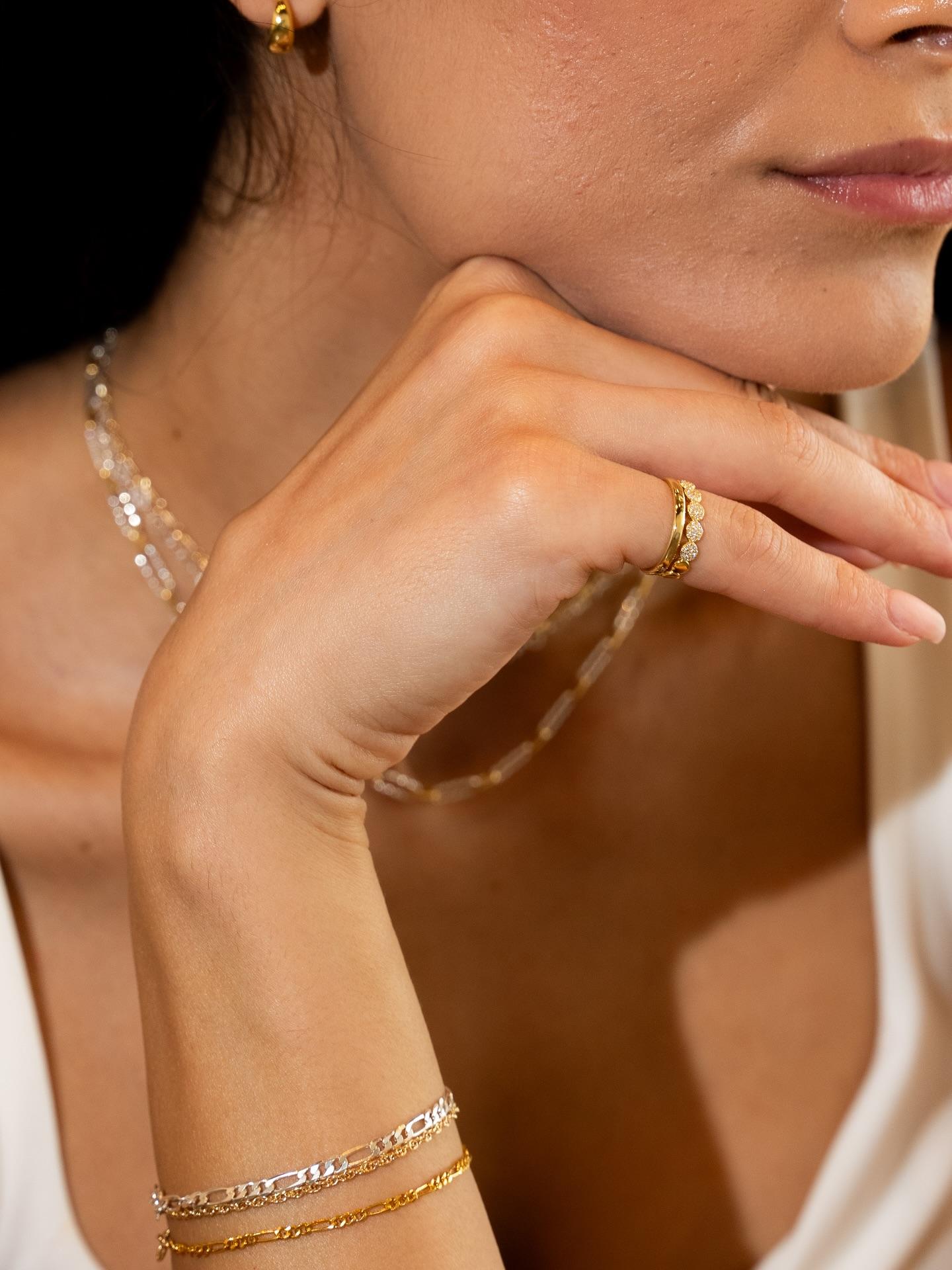
What makes a jewelry experience truly memorable? From the atmosphere to the aftercare, here's what to look for and why it matters.
Most people have had the experience of walking into a jewelry store and feeling, within the first thirty seconds, whether they belong there. Sometimes the signal is welcoming: the space feels approachable, the staff acknowledges you without descending on you, the products are displayed in a way that invites exploration. Other times the signal is the opposite: the cases are locked and the prices are hidden, the staff approaches with an intensity that feels evaluative rather than helpful, the whole environment communicates that you are a prospect to be converted rather than a person to be served.
The difference between these two experiences is not accidental. It is the result of thousands of deliberate choices made by the people who designed the space, trained the staff, selected the inventory, and defined what success looks like for that business. Great jewelry experiences are intentional, and understanding what makes them great gives you a way to recognize them when you find them and to understand what you are missing when you do not.
The First Impression: Environment and Atmosphere
The physical environment of a jewelry destination communicates its values before a single word is exchanged. Light is the first thing: how the space is lit, what it does to the pieces on display, and how it affects the mood of the room. Good jewelry lighting is warm enough to be flattering and bright enough to reveal detail, without being so harsh that it feels clinical or so dim that it obscures what you are looking at.
The display approach tells you something about the shop's philosophy. Stores that lock everything behind glass and require staff intervention for every interaction are implicitly communicating that their primary concern is security, not discovery. Stores that allow customers to touch, try on, and spend time with pieces without constant supervision are communicating trust, and that trust changes how buyers feel about the space and the products.
The overall aesthetic coherence of the space matters. A well-designed jewelry destination has a consistent visual language that runs from the display cases to the packaging to the staff presentation. Coherence signals intentionality: someone thought carefully about what this experience is supposed to feel like and made deliberate choices to create that feeling consistently.
Staff: Knowledge, Enthusiasm, and Restraint
The staff at a great jewelry destination combines genuine knowledge of the products with genuine enthusiasm for them, delivered with enough restraint not to feel like a sales pitch.
Knowledge matters enormously in jewelry specifically because the products involve terminology, materials, and standards that most buyers do not fully understand. A staff member who can explain the difference between 18k and 14k gold plating, describe how the electroplating process works, and help a customer understand what they are actually buying is providing real value. A staff member who can only describe aesthetic features and price points is providing much less.
Enthusiasm is what makes the knowledge feel like a conversation rather than a lecture. The best jewelry salespeople genuinely love the products they work with. They have opinions about which chain styles are most versatile, which charms are their personal favorites and why, which permanent jewelry metals hold up best in different conditions. That enthusiasm is infectious and makes the buying experience enjoyable in a way that professional-but-detached service does not.
Restraint is the third element, and it is the hardest to calibrate. Enthusiastic knowledge is only valuable if it is offered in response to the customer's cues, not imposed on top of them. Reading when someone wants to browse independently and when they want guidance is a skill, and the best jewelry staff have it in abundance.
The Experience of Trying Things On
Great jewelry destinations create conditions in which trying pieces on feels encouraged rather than effortful. Mirrors at appropriate heights and angles. Good lighting near the display areas where trying-on happens, not just above the cases. Staff who offer pieces for trying without making the customer ask repeatedly. Time and space to evaluate how a piece looks, moves, and feels without anyone hovering.
The trying-on experience is where many jewelry purchases are made or lost. A piece that looks beautiful in a case might look different on the body, and a piece that looks ordinary in the case might come alive on the wrist or neck. The environment needs to support that discovery.
For experience-based jewelry like permanent pieces and charm bar sessions, the "trying on" equivalent is the fitting process, and the same principles apply. A skilled jeweler who takes time to get the fit exactly right, who holds multiple lengths and asks for feedback at each stage, who does not rush toward the final weld until the client is genuinely confident about the result, is creating an experience that the customer will describe positively for a long time afterward.
The Role of Education in a Great Experience
The best jewelry experiences leave customers knowing something they did not know when they arrived. Not because the staff lectured them, but because the whole environment is designed to reveal information naturally.

Clear, accurate product descriptions that explain materials and standards. Staff who answer questions honestly, including questions whose honest answers might redirect a customer to a less expensive option. Display elements that explain the difference between gold filled and gold plated, or that illustrate what different karat ratings mean in practice. These educational elements serve the customer's interests directly and, in doing so, build the kind of trust that produces both the sale and the return visit.
A customer who leaves understanding what 18k gold plated means, how long their piece is likely to last, and exactly how to care for it is far more likely to have a positive long-term experience with the product than a customer who received none of that context. The investment in education at the point of sale pays forward into customer satisfaction and loyalty.
Permanent Jewelry as the Pinnacle of Experiential Retail
Permanent jewelry, as an experience category, represents one of the most complete expressions of what experiential retail can be. The customer does not simply select and purchase a product. They participate in a process, from choosing to fitting to the weld itself, that produces an outcome they wear on their body for an extended period.
Every element of the permanent jewelry experience can be done well or poorly, and the differences are felt acutely by the client. A rushed fitting that produces an imperfect length produces daily dissatisfaction. A careful fitting that results in a chain that sits exactly right produces daily pleasure. A welder who takes a moment to explain what they are doing and invite questions produces confidence. A welder who just performs the technical steps without any communication produces mild anxiety.
The studios that do permanent jewelry best understand that the experience is the product, not just the chain. The chain is the artifact of the experience. The experience itself is what people remember, talk about, and return for.
For anyone looking for exactly that kind of intentional, experience-first approach to getting a permanent bracelet or other welded piece in Houston, The Pink Swan Shop has built its studio around these principles from the ground up.
What Great Aftercare Looks Like
A great jewelry experience does not end when the client walks out the door. The aftercare that a brand provides, in terms of education, follow-up, and ongoing service, is part of the complete experience.
For gold plated jewelry, great aftercare looks like honest, thorough guidance about care habits provided at the point of purchase, not buried in a website FAQ. It looks like a genuine warranty or return policy that reflects confidence in the product's quality. It looks like accessibility: a brand that is easy to reach when a customer has a question or an issue after the purchase.
For permanent jewelry, great aftercare includes clear guidance about what to expect in the first days of wearing the piece, honest information about how to handle removal if it becomes necessary, and a clear re-weld policy for the rare instances when a weld point weakens over time. Clients who know these things walk out more confident and have better long-term experiences with their pieces.
Charm Bars: The Experience Design Challenge
Charm bars present a particular experience design challenge: how do you create an environment with enough options to feel genuinely generous and personalized without creating so many options that the experience becomes overwhelming and paralyzing?
The best charm bar implementations solve this through curation and guidance. The selection is broad enough to serve genuinely different tastes and stories, but narrow enough to remain navigable. The categories are organized in a way that helps customers find relevant options efficiently. And the staff are prepared to ask the right questions, about the story the customer wants to tell, the occasion being marked, the aesthetic they are drawn to, that help narrow the options quickly without feeling like a sales interrogation.
A well-run charm bar session should feel like collaboration: the customer brings their story, the staff brings their knowledge of the inventory and the craft, and the finished bracelet is a product of both. That collaborative quality is what makes the experience more than shopping.
The Standard You Should Expect
Every element described in this article, the environment, the staff, the educational approach, the fitting experience, the aftercare, is something you have a right to expect from any jewelry destination you choose to spend your time and money with. Not all of them will deliver at this level, but knowing what great looks like gives you a standard to evaluate against.
The jewelry experiences that people describe enthusiastically to their friends are not accidental. They are the result of deliberate, consistent investment in every component of the customer experience, from the lighting above the display cases to the re-weld policy printed on the back of the receipt. When you find a destination that has made that investment, it is worth your loyalty. And when you are looking for it, now you know exactly what to look for.

 English
 Arabic
 French
 Spanish
 Portuguese
 Deutsch
 Dutch
Dutch
 Italiano
 Russian
 Romaian
 Portuguese (Brazil)
 Greek
Greek