


Sitting Hyperbaric Chamber Explained: How It Differs From Lying-Down Models
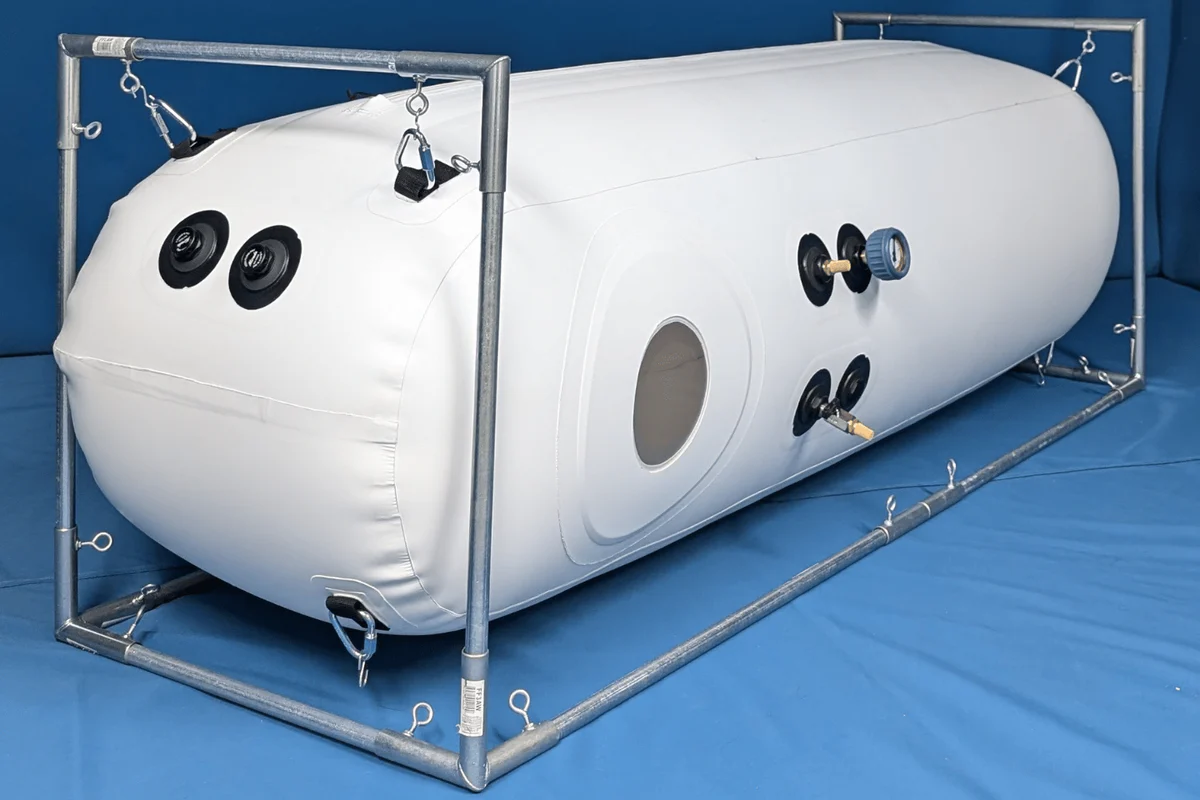
The home wellness market in the United States continues to grow, and hyperbaric systems have become part of that expansion. More users are exploring the sitting hyperbaric chamber category because they want equipment that fits smaller spaces and practical routines. Home users, wellness centers, and recovery businesses are now comparing different chamber styles before making purchases. Design choice has become an important discussion point.
Many buyers enter the market assuming every hyperbaric system works the same way. They often focus only on pressure ratings or pricing while ignoring chamber design. However, body position, space requirements, and comfort can affect the overall experience. Choosing between sitting and lying-down models is now a common challenge.
I have noticed that first-time buyers often ask whether the difference is only about posture. After reviewing user experiences and product comparisons, it becomes clear that the choice affects setup, convenience, and daily use. Understanding those differences helps buyers avoid mistakes.
The Problem: Buyers Often Compare Pressure but Ignore Design
Most people entering the hyperbaric market start by comparing specifications. Pressure levels, accessories, and dimensions usually receive the most attention during research. Design format often receives less focus even though it directly affects usability. That gap creates confusion. Lying-down systems became popular because users could stretch during sessions. However, not every home has enough room for larger chamber layouts.
Space limitations influence buying decisions more than many expect. Practicality matters. The sitting hyperbaric chamber market has gained attention because upright designs offer an alternative for users with limited room availability. Home offices, wellness studios, and compact recovery spaces can accommodate these systems more easily. Convenience drives interest.
Industry growth also supports this shift. According to reports from the Global Wellness Institute, home wellness spending continues rising across the United States. Consumers increasingly seek products that integrate into daily environments. Flexible designs fit that trend.
Agitating the Issue: Choosing the Wrong Layout Can Affect Experience
Buying the wrong chamber style often creates frustration after installation. Some users realize too late that lying-down models require more space than expected. Others discover they prefer sitting positions for comfort and accessibility. Expectations and reality sometimes differ. Online reviews frequently focus on pressure performance but give limited attention to posture and space planning.
Buyers may overlook how body position affects session experience. Comfort influences long-term use. Daily practicality matters. I once spoke with a wellness studio owner in California who initially planned to purchase only lying-down systems. After testing upright designs, he realized sitting models fit better within limited floor space.
The layout decision changed his business setup entirely. Searches for hyperbaric oxygen chamber 1.5 ata products often increase during comparison research because users want balanced performance and practical usability. Pressure discussions usually lead buyers toward design questions. Both factors matter together.
Understanding the Sitting Design and Its Purpose
The sitting hyperbaric chamber design allows users to remain upright during sessions rather than lying flat. These models often resemble enclosed seats or vertical systems with enough space for comfortable positioning. Their structure supports easier entry and exit. Accessibility becomes an advantage.
Users who dislike confined spaces sometimes prefer upright models because the seating position feels more natural. Entry points are often easier to manage compared with longer horizontal chambers. User comfort influences adoption. Another reason for growing demand is space efficiency. Sitting systems generally occupy smaller footprints compared with lying-down alternatives.
This makes them attractive for apartments, home wellness rooms, and commercial recovery centers. Space planning matters. The hyperbaric oxygen chamber 1.5 ata category often includes discussions around upright and horizontal designs because buyers compare practical use alongside specifications. Product fit depends on lifestyle needs. There is no universal answer.
How Sitting Models Differ From Lying-Down Chambers
The most obvious difference is body position, but the impact extends further. Lying-down chambers allow users to stretch fully during sessions, which some people prefer for relaxation. Sitting systems prioritize accessibility and compact installation. Each design serves different priorities. The sitting hyperbaric chamber layout usually requires less floor space.
This advantage becomes important in urban homes and wellness businesses where room availability affects equipment selection. Compact designs support flexibility. Portability also differs between models. Some upright systems are easier to move and reposition compared with larger horizontal chambers. Home users often appreciate that flexibility.
Setup convenience influences ownership experience. Research activity around hyperbaric oxygen chamber 1.5 ata products shows that buyers increasingly compare chamber shape alongside pressure performance. Users now understand that usability affects satisfaction. Practical factors guide decisions.
User Insights and USA Business Examples
Consumer experiences provide useful information beyond technical specifications. Users often discuss setup ease, accessibility, and comfort in reviews. These details help future buyers understand daily ownership realities. Real experiences matter. Several wellness businesses across Florida and Texas have expanded recovery services during recent years.
Many facilities now offer multiple chamber layouts to serve different customer preferences. Consumer demand influences equipment choices. A recovery center owner in Arizona shared that upright systems attracted clients who preferred seated positions and easier entry. The business later expanded its equipment range because customer response was positive.
User comfort influenced investment decisions. The phrase hyperbaric oxygen chamber 1.5 ata frequently appears in customer research because users want balanced options for home and commercial environments. Product comparisons often include both pressure and chamber layout. Buyers seek flexibility.
Space, Setup, and Ownership Considerations
Space planning should happen before purchasing any chamber. Users need to measure available room dimensions and review setup requirements carefully. Installation challenges often result from poor preparation. Planning helps avoid problems. The sitting hyperbaric chamber category usually appeals to users with limited room availability.
Compact dimensions support easier placement in home offices, spare rooms, and wellness studios. Smaller footprints improve flexibility. Ventilation and accessibility remain important regardless of chamber type. Equipment should sit in clean spaces with enough operating clearance. Proper setup supports maintenance and daily use. Small details affect ownership.
Maintenance routines also matter. Cleaning schedules and equipment inspections help preserve long-term value. Many experienced users create simple checklists to stay organized. Consistency supports reliability.
Market Trends and Future Growth
The U.S. wellness economy continues expanding as consumers invest more in recovery technologies. Reports from the Global Wellness Institute show increasing spending across wellness categories. Hyperbaric systems benefit from that growth. Demand remains active. Businesses in California, Texas, and New York continue expanding recovery services because customer interest keeps increasing.
Hyperbaric therapy now appears alongside infrared and cryotherapy programs. Market visibility supports awareness. The sitting hyperbaric chamber market benefits from this shift toward convenience and flexible wellness solutions. Consumers increasingly want equipment that fits everyday spaces. Practical design influences adoption.
I have noticed that buyers today focus more on usability than technical complexity. Many simply want systems that work well in real environments. Comfort and convenience often drive decisions more than advanced specifications.
Conclusion
The sitting hyperbaric chamber option offers clear advantages for users seeking compact design and easier accessibility. Upright systems fit smaller spaces while supporting practical home and business use. Layout choice affects ownership experience.
Research around hyperbaric oxygen chamber 1.5 ata products shows that buyers now compare chamber style as carefully as pressure performance. Comfort, room availability, and usability all influence decisions. Product fit matters. User experiences across the United States highlight growing interest in flexible recovery solutions.
Businesses and homeowners increasingly prioritize convenience and efficient design. Market trends support that shift. As home wellness technology continues growing, the sitting hyperbaric chamber conversation will likely expand further. Buyers who understand design differences early can make smarter choices. Practical planning remains the best starting point.

 English
 Arabic
 French
 Spanish
 Portuguese
 Deutsch
 Dutch
Dutch
 Italiano
 Russian
 Romaian
 Portuguese (Brazil)
 Greek
Greek