


Beginner Boxing Classes in NYC: Learn the Basics and Book a Trial Session
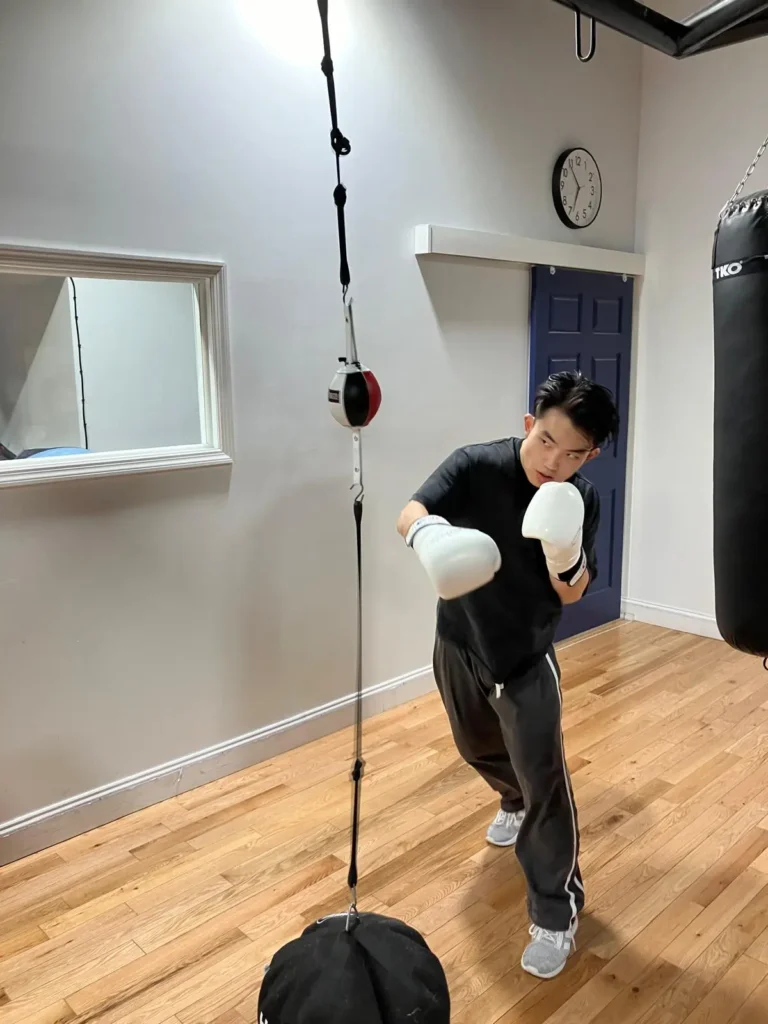
New York City is home to some of the most exciting fitness experiences in the world, and beginner boxing classes have become one of the most popular ways for people to improve their health, build confidence, and learn practical self-defense skills. Whether you're looking to get in shape, reduce stress, or explore a new sport, boxing offers a unique combination of physical conditioning and mental focus.
Why Boxing Is Ideal for Beginners
Many people assume boxing is only for competitive athletes, but beginner-friendly boxing classes are designed for everyday individuals with little or no prior experience. These programs focus on learning the fundamentals in a safe and supportive environment.
Unlike traditional gym workouts that can become repetitive, boxing keeps participants engaged through a variety of drills, techniques, and conditioning exercises. Each session challenges both the body and mind, helping students develop coordination, endurance, and discipline.
What to Expect in Your First Boxing Class
A typical beginner boxing class follows a structured format that introduces students to the essential building blocks of the sport.
Warm-Up and Mobility Work
Classes generally begin with dynamic stretching, light cardio, and mobility exercises. This phase prepares the body for training while reducing the risk of injury. Jump rope drills, jogging, and bodyweight exercises are commonly used to elevate the heart rate before technical instruction begins.
Learning the Boxing Stance
The boxing stance is the foundation of every movement and punch. Beginners learn how to position their feet, maintain balance, protect their face, and move efficiently around the training area. Developing a solid stance early helps improve both offensive and defensive skills.
Understanding Basic Footwork
Footwork is one of the most overlooked yet essential aspects of boxing. Students learn how to move forward, backward, and laterally while maintaining balance and control. Proper footwork allows boxers to create angles, avoid attacks, and generate power when throwing punches.
The Four Fundamental Punches
Every beginner boxing program introduces the core punches that form the basis of most combinations.
Jab
The jab is often the first punch students learn. Fast and versatile, it helps establish distance, disrupt an opponent's rhythm, and create openings for additional strikes.
Cross
The cross is a powerful straight punch delivered from the rear hand. It generates force through proper body rotation and weight transfer, making it one of the most effective offensive techniques.
Hook
The hook travels in a curved path and targets the side of the head or body. It requires proper hip movement and timing to maximize power and accuracy.
Uppercut
The uppercut is an upward punch commonly aimed at the chin or midsection. While more advanced than the jab or cross, it becomes a valuable weapon as beginners gain confidence and technique.
Building Skills Through Shadowboxing
Shadowboxing is a staple of beginner training. This exercise involves practicing punches, movement, and defensive techniques without a partner or equipment.
Although it may seem simple, shadowboxing helps improve coordination, balance, muscle memory, and overall boxing awareness. It also allows students to focus on technique without distractions.
Pad Work and Heavy Bag Training
As students progress, they often move on to pad work and heavy bag drills.
Pad Work
Training with focus mitts or pads helps improve timing, accuracy, and punch combinations. Coaches can provide immediate feedback, making it easier for beginners to correct mistakes and develop proper mechanics.
Heavy Bag Training
The heavy bag allows students to apply techniques with power. It helps build strength, cardiovascular endurance, and punching confidence while reinforcing proper form.
Learning Defensive Skills
A complete boxing education goes beyond throwing punches. Defensive techniques are critical for safety and long-term success.
Beginner classes often introduce:
-
Blocking
-
Slipping punches
-
Bobbing and weaving
-
Parrying
-
Maintaining proper guard position
Developing defensive awareness helps students become more well-rounded athletes and teaches valuable reaction skills.
Fitness Benefits of Boxing
One of the biggest reasons people join boxing classes is the incredible workout they provide.
Regular boxing training can help improve:
-
Cardiovascular endurance
-
Muscle tone and strength
-
Agility and coordination
-
Balance and mobility
-
Mental focus and concentration
-
Stress management
Because boxing combines high-intensity movement with technical learning, participants often find the workouts both effective and enjoyable.
What Equipment Do Beginners Need?
Most new students start with a few basic essentials:
-
Boxing gloves
-
Hand wraps
-
Athletic clothing
-
Supportive training shoes
-
Water bottle
Many gyms provide loaner equipment for first-time visitors, making it easy to try a class before investing in personal gear.
How Often Should Beginners Train?
For most newcomers, attending two to three classes per week provides a strong balance between skill development and recovery. Consistency is more important than intensity in the early stages. As fitness levels improve, students can gradually increase training frequency.
Choosing the Right Boxing Gym
When selecting a beginner boxing program, look for:
-
Experienced instructors
-
Structured beginner classes
-
Positive and supportive atmosphere
-
Emphasis on safety and technique
-
Flexible scheduling options
A welcoming environment can make a significant difference in helping new students stay motivated and committed to their training goals.
Why Choose Central Park Boxing?
Central Park Boxing specializes in helping beginners develop strong fundamentals through structured coaching and supportive instruction. Students learn proper stance, footwork, punching techniques, and defensive skills while training in a motivating atmosphere.
What to Expect at Central Park Boxing
During your first class at Central Park Boxing, you'll be introduced to boxing basics, conditioning exercises, and technique drills tailored to your experience level. Coaches focus on proper form and safety, ensuring every student progresses at a comfortable pace.
Book a Trial Session at Central Park Boxing
The best way to experience beginner boxing is to step into the gym and train with experienced coaches. Book a trial session at Central Park Boxing to discover how boxing can improve your fitness, confidence, and overall well-being.
Frequently Asked Questions About Beginner Boxing Classes in NYC
1. Can I join a boxing class with no prior experience?
Yes. Most beginner boxing classes are specifically designed for people with little or no boxing experience. Instructors teach the fundamentals, including stance, footwork, punches, and basic defense techniques.
2. Am I too old to start boxing?
Not at all. Boxing is suitable for adults of various ages and fitness levels. Many boxing gyms offer beginner programs that focus on fitness, technique, and personal development rather than competition.
3. What should I wear to my first boxing class?
Wear comfortable workout clothing, such as a T-shirt, athletic shorts or leggings, and supportive training shoes. Bring water and any required boxing equipment if instructed by the gym.
4. Do I need my own boxing gloves?
Many gyms provide loaner gloves for first-time students. However, if you plan to train regularly, purchasing your own gloves and hand wraps is recommended for hygiene and comfort.
5. How often should beginners attend boxing classes?
Most beginners benefit from attending two to three classes per week. This schedule allows enough time to develop skills while giving the body adequate recovery time.
6. Will boxing help me lose weight?
Yes. Boxing is a high-calorie-burning workout that combines cardio, strength training, and interval conditioning. When paired with a balanced diet, it can support weight loss and overall fitness goals.
7. Is boxing a good workout for building strength?
Boxing helps develop functional strength throughout the body, especially in the core, shoulders, legs, and upper body. Training often includes bodyweight exercises and conditioning drills that improve overall athletic performance.
8. Will I have to spar as a beginner?
Not necessarily. Many beginner boxing classes focus on technique, fitness, and bag work without requiring sparring. If sparring is offered, it is usually optional and introduced only when students are ready.
9. What are the main punches beginners learn first?
Most beginner classes teach four basic punches: the jab, cross, hook, and uppercut. These punches form the foundation for more advanced combinations and techniques.
10. Is boxing safe for beginners?
When taught by qualified instructors and practiced with proper equipment, boxing is generally safe for beginners. Classes emphasize correct technique, controlled training, and injury prevention.

 English
 Arabic
 French
 Spanish
 Deutsch
 Turkish
 Dutch
Dutch
 Italiano
 Russian
 Romaian
 Portuguese (Brazil)
 Greek
Greek