


Shoe Protection Covers: The Complete Guide to Keeping Your Footwear Clean, Safe, and Durable
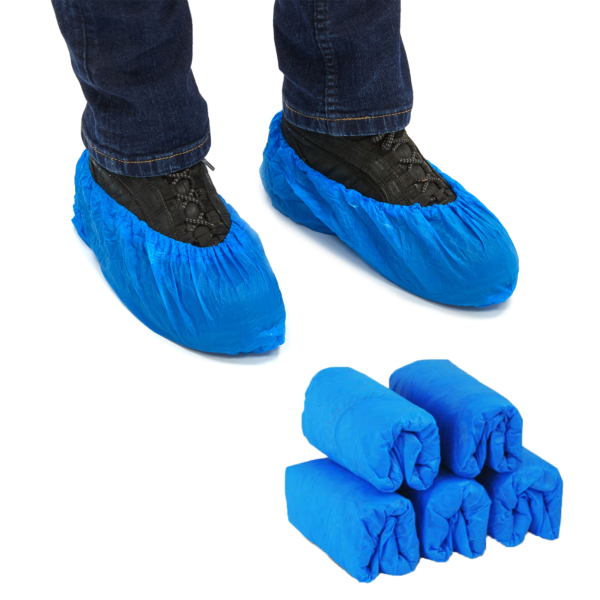
In today’s fast-paced world, cleanliness and hygiene have become more important than ever, especially in environments where dirt, moisture, and contaminants are constantly present. This is where shoe protection covers play a crucial role. Whether you are entering a hospital, a construction site, a cleanroom, a laboratory, or even a well-maintained home during rainy seasons, shoe covers provide an essential barrier between your footwear and the environment.
Shoe protection covers are simple yet highly effective protective wear designed to shield shoes from dust, mud, chemicals, water, and other contaminants. They also help maintain hygiene standards in sensitive environments where cleanliness is critical.
This guide explores everything you need to know about shoe protection covers, including their types, uses, benefits, materials, and how to choose the right ones for your needs
What Are Shoe Protection Covers?
Shoe protection covers are disposable or reusable coverings worn over shoes to prevent external contamination. They are typically made from materials like polyethylene, polypropylene, non-woven fabric, rubber, or waterproof plastics.
Their primary purpose is to:
-
Protect floors from dirt carried by shoes
-
Protect shoes from moisture, chemicals, or dust
-
Maintain hygiene in controlled environments
-
Reduce cleaning costs and effort
They are widely used in healthcare, food industries, laboratories, manufacturing plants, and residential settings
Why Shoe Protection Covers Are Important
The importance of shoe protection covers goes far beyond simple cleanliness. They play a significant role in hygiene control, safety, and professional standards.
1. Hygiene Control
In hospitals, laboratories, and cleanrooms, even a small particle of dust can cause contamination. Shoe covers act as a first line of defense against germs and bacteria.
2. Floor Protection
Hardwood floors, carpets, and polished surfaces can easily get damaged by dirt, water, or chemicals brought in from outside. Shoe covers help maintain flooring quality and reduce maintenance costs.
3. Safety in Work Environments
In construction and industrial areas, slippery or hazardous substances may stick to shoes. Shoe covers reduce the risk of spreading contaminants across work zones.
4. Professional Appearance
In service-based industries such as real estate showings, inspections, or home services, wearing shoe covers reflects professionalism and respect for the client’s space.
Types of Shoe Protection Covers
There are several types of shoe protection covers, each designed for specific environments and requirements.
1. Disposable Shoe Covers
These are single-use covers made from lightweight materials like polyethylene or non-woven fabric. They are commonly used in hospitals, food processing units, and clean environments.
Advantages:
-
Hygienic and cost-effective
-
Easy to use and dispose
-
Ideal for short-term use
2. Reusable Shoe Covers
Made from durable materials like rubber, silicone, or heavy-duty fabric, these covers can be washed and reused multiple times.
Advantages:
-
Long-lasting and eco-friendly
-
Better for frequent use
-
Cost-effective over time
3. Waterproof Shoe Covers
Designed for rainy weather or wet environments, these covers are made from PVC or waterproof plastic materials.
Advantages:
-
Keep shoes completely dry
-
Ideal for outdoor workers
-
Protect against mud and water
4. Anti-Slip Shoe Covers
These come with textured soles to prevent slipping on smooth surfaces such as hospital floors or polished tiles.
Advantages:
-
Enhanced safety
-
Suitable for healthcare settings
-
Reduce accident risk
5. Industrial Shoe Covers
Used in factories, chemical plants, and construction sites, these are heavy-duty covers designed for protection against harsh environments.
Advantages:
-
Resistant to chemicals and abrasions
-
Strong and durable
-
Suitable for extreme conditions
Materials Used in Shoe Protection Covers
The effectiveness of shoe protection covers depends largely on the material used in their construction.
Polyethylene (PE)
Lightweight, waterproof, and commonly used for disposable covers.
Polypropylene (PP)
Breathable and often used in non-woven fabric shoe covers for medical environments.
PVC (Polyvinyl Chloride)
Durable and waterproof, used for industrial and outdoor covers.
Rubber and Silicone
Flexible, reusable, and highly durable materials used in premium shoe covers.
Non-Woven Fabric
Soft, breathable, and commonly used in hospitals and laboratories.
Key Benefits of Shoe Protection Covers
Using shoe protection covers offers numerous benefits across different industries and environments.
1. Prevent Contamination
They prevent dirt, bacteria, and chemicals from entering controlled spaces.
2. Maintain Clean Environments
Ideal for hospitals, cleanrooms, and laboratories where cleanliness is critical.
3. Reduce Cleaning Costs
By preventing dirt from spreading, they reduce the need for frequent cleaning.
4. Improve Safety
Anti-slip designs help prevent accidents on wet or smooth floors.
5. Enhance Professionalism
They create a clean and organized impression in client-facing environments.
Where Shoe Protection Covers Are Used
Shoe protection covers are used in a wide range of industries and environments:
Healthcare Facilities
Hospitals, clinics, and laboratories use shoe covers to maintain sterile environments.
Food Industry
Food processing plants use them to prevent contamination of food products.
Construction Sites
Workers use them to avoid spreading dust and debris.
Residential Use
Used during home visits, cleaning services, and renovation work.
Cleanrooms and Labs
Essential in scientific research and manufacturing environments.
Real Estate and Property Viewing
Agents and visitors use shoe covers to protect flooring during property inspections.
How to Choose the Right Shoe Protection Covers
Choosing the right shoe protection covers depends on your specific needs. Here are some important factors to consider:
1. Purpose of Use
Determine whether you need them for medical, industrial, or home use.
2. Material Quality
Choose waterproof or breathable materials depending on the environment.
3. Durability
Disposable covers are suitable for short-term use, while reusable ones are better for long-term applications.
4. Slip Resistance
If safety is a concern, opt for anti-slip sole designs.
5. Size and Fit
Ensure the covers fit comfortably over your shoes without tearing or slipping off.
6. Budget
Disposable covers are cheaper upfront, while reusable covers save money over time.
Maintenance and Proper Use
Even though many shoe protection covers are disposable, proper usage is important:
-
Always wear them before entering clean areas
-
Avoid reusing disposable covers
-
Store reusable covers in clean, dry conditions
-
Replace immediately if torn or damaged
-
Ensure proper disposal to maintain hygiene standards
Environmental Considerations
With growing environmental concerns, many manufacturers now produce eco-friendly shoe protection covers made from biodegradable materials. These help reduce plastic waste while maintaining hygiene standards.
Reusable covers are also becoming popular as a sustainable alternative, especially in workplaces with frequent usage.
Future Trends in Shoe Protection Covers
The demand for shoe protection covers is expected to grow due to increased awareness of hygiene and safety standards.
Future trends include:
-
Biodegradable and compostable materials
-
Smart anti-microbial coatings
-
Improved ergonomic designs for comfort
-
Enhanced slip-resistant technologies
-
Industry-specific customized covers
Frequently Asked Questions (FAQs)
1. What are shoe protection covers used for?
Shoe protection covers are used to protect shoes and maintain hygiene by preventing dirt, dust, and contaminants from spreading in clean environments.
2. Are shoe protection covers reusable?
Some shoe protection covers are reusable, especially those made from rubber or silicone. However, disposable versions are designed for single use.
3. Where are shoe protection covers commonly used?
They are commonly used in hospitals, laboratories, food processing units, construction sites, and residential cleaning services.
4. Do shoe protection covers prevent slipping?
Yes, many modern shoe protection covers come with anti-slip soles to reduce the risk of slipping on smooth surfaces.
5. What materials are shoe protection covers made of?
They are made from polyethylene, polypropylene, PVC, rubber, silicone, and non-woven fabrics depending on their intended use.
6. Are disposable shoe covers safe?
Yes, disposable shoe protection covers are safe and widely used in medical and hygiene-sensitive environments.
7. Can shoe protection covers be used outdoors?
Yes, waterproof shoe protection covers are designed specifically for outdoor use in rain or muddy conditions
8. How do I choose the right shoe protection covers?
Consider factors such as environment, durability, material, slip resistance, and whether you need disposable or reusable options.
Conclusion
Shoe protection covers are an essential solution for maintaining hygiene, safety, and cleanliness across various industries and everyday situations. From hospitals and laboratories to homes and construction sites, they provide a simple yet highly effective way to protect both footwear and environments.
With advancements in materials and design, shoe covers are becoming more durable, eco-friendly, and specialized for different needs. Whether you are looking for disposable convenience or reusable durability, choosing the right type of shoe protection cover can significantly improve cleanliness standards and reduce maintenance efforts.
Investing in quality shoe protection covers is not just about protecting shoes—it is about maintaining professionalism, safety, and hygiene in every step you take.

 English
 Arabic
 French
 Spanish
 Portuguese
 Deutsch
 Turkish
 Italiano
 Russian
 Romaian
 Portuguese (Brazil)
 Greek
Greek