


How Do Water Flow Switches Help Detect Flow Problems?
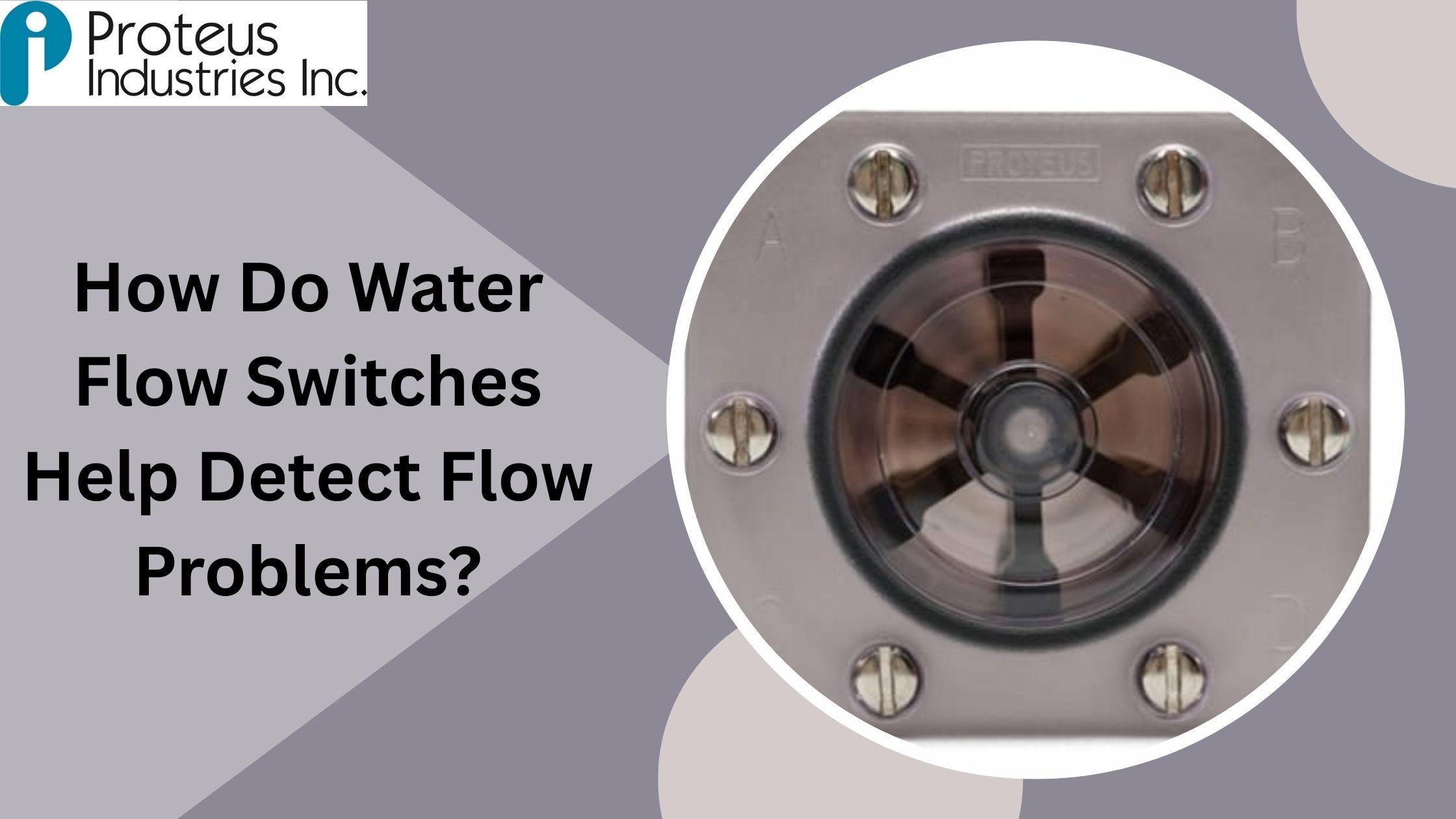
Water flow switches are devices that monitor water flow in a pipeline or system. Their main purpose is to detect whether water is flowing at the required rate or if the flow has stopped or slowed unexpectedly. These devices are commonly used in industrial systems, HVAC units, fire protection systems, and water treatment facilities where maintaining proper flow conditions is essential. By continuously sensing the presence or absence of water movement, these switches help ensure that equipment operates safely and efficiently.
In many modern water systems, water flow switches play an important role in maintaining operational reliability. They function by detecting pressure or movement inside the pipe and triggering a response when conditions change. This response may include sending a signal to a control panel, activating an alarm, or shutting down connected equipment to prevent damage. Because they respond quickly to flow variations, they help operators identify issues early and maintain consistent system performance.
Common Flow Problems in Water Systems
Water systems can experience a variety of flow-related problems that may affect performance and safety. One of the most common issues is reduced flow caused by blockages in pipes, filters, or valves. Over time, debris, sediment, or mineral buildup can restrict water flow, leading to inefficient circulation. In industrial or commercial settings, even a small obstruction can significantly impact the performance of pumps and other connected equipment.
Another frequent problem is a sudden stop in water flow, which may occur due to pump failure, closed valves, or leaks within the system. When water flow is interrupted, equipment designed to operate continuously with water movement can overheat or be damaged. Detecting these issues early is crucial for preventing costly repairs and system downtime. This is why monitoring devices, such as flow switches, are often integrated into water systems to detect and address these problems quickly.
How Water Flow Switches Detect Changes in Water Movement
Water flow switches are designed to detect water movement and respond to changes in flow. Most switches operate through mechanical or electronic sensing mechanisms. Mechanical types often use a paddle or vane installed inside the pipe. When water flows through the system, the paddle moves with the current. If the flow stops or drops below a certain level, the paddle returns to its original position, triggering the switch to send a signal.
Electronic flow switches use sensors that measure flow velocity or pressure differences. These sensors can detect subtle variations in water movement, enabling more precise monitoring. Once a change is detected, the device activates a signal that can alert operators or automatically adjust system operations. This ability to quickly identify changes in water movement makes flow switches a reliable solution for maintaining system stability and preventing potential damage.
Key Components That Allow Accurate Flow Detection
Several components work together inside a flow switch to ensure accurate detection. The sensing element is one of the most important parts. In mechanical switches, this element is typically a paddle or vane that directly interacts with the water flow. In electronic models, sensors measure variables such as pressure or velocity. These components allow the switch to determine whether water is moving at the expected rate.
Another important component is the switching mechanism. Once the sensing element detects a change in flow, the switching mechanism converts that information into an electrical signal. This signal can then be sent to a control system, alarm, or automation platform. Housing and mounting structures also play a role by protecting internal components and ensuring proper installation within the pipeline. Together, these elements ensure the device provides accurate and reliable flow detection.
Benefits of Using Water Flow Switches for System Protection
Water flow switches provide several benefits when integrated into water systems. One major advantage is the ability to protect equipment from damage caused by insufficient flow. Many machines, such as pumps or heat exchangers, rely on continuous water movement to operate safely. If the flow stops, these devices may overheat or malfunction. Flow switches can detect problems immediately and trigger a shutdown or an alert before serious damage occurs.
Another benefit is improved system efficiency. By monitoring flow conditions in real time, operators can identify irregularities such as blockages, leaks, or pump failures. Early detection allows maintenance teams to resolve issues before they escalate into larger problems. As a result, systems can operate more reliably while reducing downtime and maintenance costs.
Industries That Rely on Water Flow Switches for Monitoring
Many industries depend on reliable water flow monitoring to maintain safe and efficient operations. In HVAC systems, flow switches help ensure that cooling water circulates properly through chillers and other equipment. Without proper flow monitoring, cooling systems may fail, leading to overheating or performance issues. Flow switches help maintain consistent operation by detecting changes in water movement.
Fire protection systems also rely heavily on flow monitoring devices. In sprinkler systems, a flow switch can detect when water begins to move through the pipes, indicating that a sprinkler has been activated. This signal can then alert building management or emergency systems. Additionally, water treatment facilities, manufacturing plants, and irrigation systems often use flow switches to monitor and regulate water distribution across their operations.
Our Water Flow Switch Solutions for Reliable System Performance
Providing dependable water-monitoring solutions requires high-quality equipment and careful system integration. Our water flow switch solutions are designed to deliver accurate detection and consistent performance in a wide range of applications. Each device is built to monitor water flow effectively and respond quickly to irregular flow conditions. This helps ensure that systems continue to operate smoothly while reducing the risk of unexpected failures.
We focus on providing products that are durable, easy to install, and suitable for a range of industrial and commercial environments. By offering reliable flow monitoring solutions, we help businesses maintain better control over their water systems. With proper installation and maintenance, these devices can support long-term operational stability and improve the overall efficiency of water-based systems.
Conclusion: Why Water Flow Switches Are Essential for Detecting Flow Problems
Monitoring water flow is an essential part of maintaining safe and efficient system operations. Without proper monitoring, issues such as blockages, pump failures, or leaks may go unnoticed until they cause serious damage. Flow switches provide an effective way to detect these problems early by continuously monitoring water movement and responding when irregularities occur. Their ability to trigger alerts or system adjustments helps prevent costly downtime and equipment failure.
As water systems become more advanced, the need for reliable flow monitoring continues to grow. Water flow switches offer a practical, dependable solution for detecting flow issues across a wide range of industries. By integrating these devices into water systems, organizations can improve operational safety, protect valuable equipment, and maintain consistent performance over time.

 English
 Arabic
 French
 Spanish
 Portuguese
 Deutsch
 Turkish
 Dutch
Dutch
 Russian
 Romaian
 Portuguese (Brazil)
 Greek
Greek