


Key Benefits and Features of Lifepo4 Lithium Battery Explained
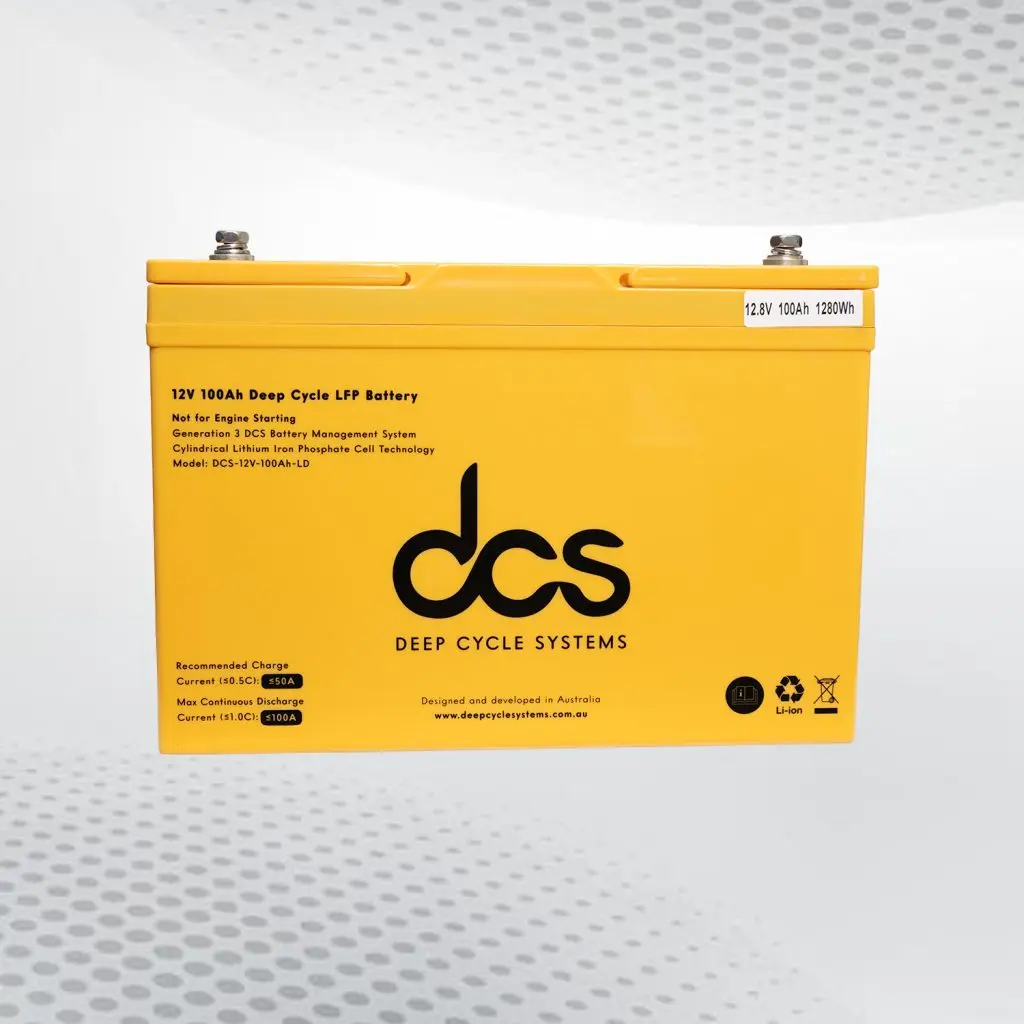
The LiFePO4 battery represents a significant advancement in energy storage technology, valued for its stability, longevity, and eco-friendly composition. As a type of lithium battery, it incorporates lithium iron phosphate as the cathode material, offering unique chemical and physical properties that distinguish it from other battery types. Known for its reliable performance and robust safety features, the LiFePO4 lithium battery has become integral to numerous industries. Its role spans renewable energy systems, electric vehicles, and various consumer and industrial applications. With a focus on sustainability and efficiency, this battery technology addresses modern energy demands while supporting the transition to cleaner energy solutions. By combining durability and environmental considerations, the LiFePO4 battery demonstrates its potential as a pivotal component in the evolution of energy storage systems across the globe.
Composition and Chemistry of LiFePO4 Batteries
LiFePO4 batteries utilise lithium iron phosphate as the cathode material, contributing to their unique chemical structure and operational benefits. The incorporation of this material provides enhanced thermal stability, minimising the risks associated with overheating. The chemistry also ensures a strong bond between ions, which helps maintain consistent performance across a high number of charge and discharge cycles.
Additionally, the use of phosphate in the battery's composition supports robust safety measures, as it is less reactive under high temperatures compared to other lithium-ion chemistries. While LiFePO4 batteries typically have a lower energy density than some alternatives, their chemistry prioritises stability and durability. This focus on safety and long-term reliability makes them a favourable choice for a range of applications, from renewable energy systems to electric vehicles, where consistent and safe energy storage is essential.
Advantages of LiFePO4 Batteries
LiFePO4 batteries offer exceptional longevity, with the ability to handle a greater number of charge and discharge cycles compared to many other battery types. Their chemical stability significantly enhances safety, reducing the likelihood of overheating or thermal runaway. Unlike certain other lithium-ion batteries, they do not rely on cobalt, which mitigates ethical and environmental concerns associated with its mining. The stable voltage output throughout their usage further supports consistent performance across various applications.
Additionally, their lightweight and compact design enables easier integration into systems requiring efficient energy storage. These characteristics, combined with low maintenance requirements, make LiFePO4 batteries a practical solution for applications demanding reliability, durability, and sustainability over extended periods.
Applications in Renewable Energy
LiFePO4 batteries have become an integral component in renewable energy systems, offering a reliable solution for energy storage needs. Their ability to efficiently store and release energy aligns well with the intermittent nature of renewable sources like solar and wind. These batteries are particularly suited for use in off-grid solar systems, providing a steady energy supply during periods of low sunlight.
In hybrid renewable systems, they enhance overall efficiency by maintaining consistent energy delivery. The long lifespan of LiFePO4 batteries supports sustainable operations, minimising the frequency of replacements. Their chemical stability further ensures reliable performance in demanding conditions, making them a dependable option for renewable energy applications aimed at reducing reliance on conventional power sources.
Role in Electric Vehicles
LiFePO4 batteries are increasingly utilised in electric vehicles due to their reliable performance and inherent safety features. Their ability to provide stable energy output is particularly valuable in maintaining consistent operation for electric cars. The extended lifespan of these batteries supports the longevity of vehicles, reducing the frequency of battery replacements.
Additionally, the lightweight composition of LiFePO4 batteries contributes to improved energy efficiency, enabling vehicles to achieve better performance and range. Public transportation systems, such as electric buses and trams, benefit from their durability and low maintenance requirements. The adaptability of this battery technology to varying energy demands ensures its relevance in advancing the global shift towards environmentally friendly and efficient transportation solutions.
Environmental Impact
Their non-toxic composition mitigates the environmental impact of LiFePO4 batteries, as they do not contain harmful elements such as cobalt or lead. This reduces the environmental burden during both manufacturing and disposal processes. Their extended lifespan further lessens waste generation, as fewer batteries are discarded over time. The ability to maintain performance across numerous charge cycles supports sustainable energy practices by minimising resource consumption.
When utilised in energy storage systems or transportation, they contribute to reducing greenhouse gas emissions by supporting the shift to cleaner energy sources. Additionally, advancements in recycling processes for lithium iron phosphate batteries enhance their sustainability, ensuring that valuable materials can be recovered and repurposed effectively.
Cost Efficiency of Lifepo4 Battery
Lifepo4 Battery offers significant long-term cost benefits due to their durability and extended operational lifespan. With the ability to undergo numerous charge and discharge cycles, these batteries reduce the need for frequent replacements, resulting in notable savings over time. Their low maintenance requirements further contribute to their economic advantages, as systems incorporating these batteries often require less upkeep.
The efficiency and reliability of LiFePO4 batteries also enhance their overall value in applications where consistent performance is critical. Although their initial purchase cost may be higher than some alternatives, the combination of reduced operational expenses and longevity ensures they remain a financially advantageous choice for industries prioritising sustainability and efficiency in energy storage systems.
Challenges in Production
The production of LiFePO4 batteries involves addressing complexities in refining raw materials such as lithium and iron phosphate to ensure high-quality outputs. Manufacturing processes require precise control to achieve the desired performance characteristics, including consistency across multiple production batches. Energy-intensive methods and the necessity for advanced equipment contribute to production costs, presenting a challenge in scaling operations efficiently.
Supply chain dynamics, particularly fluctuating availability of essential materials, can impact production timelines and expenses. Furthermore, ensuring adherence to environmental regulations during manufacturing adds another layer of complexity. Ongoing advancements in automation and material science are being explored to optimise production efficiency while maintaining the reliability and safety standards associated with LiFePO4 battery technology.
Innovations in LiFePO4 Technology
Advancements in LiFePO4 technology continue to refine its performance and broaden its applications. Research is actively focused on enhancing energy density without compromising the inherent stability of the battery's chemistry. Faster charging capabilities are being explored to meet the demands of industries requiring efficient energy turnaround.
Developments in materials science, such as optimising electrode compositions and introducing novel electrolytes, are paving the way for improved efficiency. Efforts to improve functionality in extreme temperature environments are expanding the usability of LiFePO4 batteries across diverse conditions. Innovations also extend to manufacturing techniques, aimed at reducing production costs while maintaining quality. These technological strides are solidifying the role of LiFePO4 batteries in evolving energy storage needs.
Comparison with Other Battery Technologies
LiFePO4 batteries demonstrate distinct advantages when compared to other battery technologies. Their longer cycle life and greater thermal stability position them as a superior option to nickel-metal hydride batteries, which can be less reliable under demanding conditions. In contrast to lead-acid batteries, LiFePO4 batteries are significantly lighter and more compact, making them suitable for applications where weight and space are critical considerations.
Additionally, their ability to maintain stable performance across a wide range of operating conditions sets them apart from certain other lithium-ion chemistries. This combination of safety, durability, and efficiency makes LiFePO4 batteries a preferred choice in various sectors requiring dependable and long-lasting energy storage solutions, aligning well with modern technological and environmental demands.
Safety Considerations
LiFePO4 batteries are engineered to offer high safety standards, largely due to their chemically stable structure and low reactivity under extreme conditions. This stability significantly reduces the chances of thermal runaway, a common concern with certain other lithium-ion chemistries. These batteries are less prone to overheating, even when subjected to demanding operational environments.
Safety features often include integrated protective mechanisms, such as battery management systems, which monitor and regulate voltage, temperature, and current levels. Proper handling and adherence to manufacturer guidelines further ensure their safe operation. The non-toxic composition of LiFePO4 batteries adds a layer of environmental safety, making them a reliable and secure choice for energy storage in critical applications.
Global Market Trends
The demand for LiFePO4 batteries is rising globally due to their efficiency, safety, and environmental benefits. This growth is driven by their increasing integration into electric vehicles, renewable energy systems, and industrial applications. Advances in battery manufacturing and a growing emphasis on reducing carbon footprints have further supported their widespread adoption.
Various regions are investing in infrastructure to accommodate clean energy storage, with policies encouraging the use of sustainable technologies. Emerging economies are also recognising their potential for supporting energy transitions, creating opportunities for expanded utilisation across multiple sectors. This upward trajectory highlights their relevance in addressing modern energy requirements.
Future Prospects of LiFePO4 Batteries
Ongoing advancements in LiFePO4 battery technology are anticipated to expand its applications and improve its efficiency. Research efforts are focused on enhancing energy density and optimising charging speeds, aligning with the growing demand for high-performance energy storage. Improvements in material science and manufacturing processes aim to reduce costs, enabling wider accessibility across industries.
The integration of these batteries into emerging sectors, such as advanced grid systems and next-generation transport solutions, reflects their evolving relevance. As global energy strategies increasingly prioritise sustainability, LiFePO4 batteries are expected to play a critical role in supporting innovative and eco-friendly energy solutions in the future.
Conclusion
In conclusion, the LiFePO4 lithium battery has firmly established itself as the premier choice for sustainable and safe energy storage in Australia in 2026. By prioritising chemical stability and exceptional cycle life over raw energy density, this technology provides a reliable foundation for the country’s growing renewable energy and electric vehicle sectors. Its cobalt-free composition not only addresses ethical sourcing concerns but also ensures superior performance in the intense Australian heat. As manufacturing innovations continue to drive down costs, LiFePO4 remains a pivotal investment for those seeking a durable, low-maintenance, and environmentally responsible power solution for both residential and industrial applications.
Frequently Asked Questions
What makes the LiFePO4 chemistry safer than standard lithium-ion batteries?
The primary safety advantage lies in the strong covalent bond between the phosphorus and oxygen atoms in the cathode. This molecular structure is incredibly stable and does not easily break down, even under high temperatures or during overcharging. In the context of the Australian climate, this means the battery is significantly less likely to experience thermal runaway—a dangerous overheating event—compared to nickel-manganese-cobalt (NMC) batteries. The phosphate-based chemistry is inherently non-combustible and can withstand physical damage without catching fire, making it the safest option for home storage and mobile applications where safety is a non-negotiable priority.
How does the cycle life of a LiFePO4 battery compare to traditional types?
LiFePO4 batteries are renowned for their longevity, typically offering between 2,000 and 5,000 full charge and discharge cycles before their capacity drops to 80%. When compared to traditional lead-acid batteries, which often provide only 300 to 500 cycles, the difference is substantial. For an Australian homeowner using a solar battery daily, a LiFePO4 unit could last over 10 years, whereas a lead-acid equivalent might require replacement every two to three years. Even compared to other lithium chemistries like NMC, LiFePO4 generally offers double the operational life, making it the most cost-effective long-term solution despite a higher initial purchase price.
Does a LiFePO4 lithium battery lose power as it begins to run low on charge?
One of the standout functional features of LiFePO4 technology is its flat discharge curve. Unlike lead-acid batteries, where the voltage drops steadily as the battery empties, a LiFePO4 battery maintains a very consistent voltage output until it is nearly completely depleted. This is particularly beneficial for Australian 4WD enthusiasts and boat owners, as it ensures that appliances like fridges, winches, and navigation systems receive full power regardless of whether the LiFePO4 lithium battery is at 90% or 20% charge. This stability prevents the "dimming" or sluggish performance often seen in older battery technologies as they reach the end of their daily capacity.
Why is the absence of cobalt significant for the environment and ethics?
Most standard lithium-ion batteries rely on cobalt, a material associated with significant environmental degradation and human rights concerns during the mining process. LiFePO4 batteries are completely cobalt-free, using iron and phosphate which are more abundant and less ecologically damaging to extract. For the environmentally conscious Australian consumer, this makes LiFePO4 a far more ethical choice. Furthermore, because they contain no heavy metals like lead or cadmium, they are non-toxic and significantly easier to recycle at the end of their life. This aligns with modern sustainability goals and reduces the overall ecological footprint of transitioning to renewable energy.
Can I charge my LiFePO4 battery in extreme Australian temperatures?
While LiFePO4 batteries are incredibly stable, their ability to accept a charge can be restricted in extreme cold, specifically below 0°C. In the Australian context, this is rarely an issue for most of the country, but in alpine regions or cold desert nights, the integrated Battery Management System (BMS) will protect the cells by preventing charging if the temperature is too low. Conversely, in the extreme heat of the outback, the BMS monitors internal temperatures to ensure the battery does not overheat during rapid charging. This intelligent monitoring ensures that the battery remains safe and functional, automatically adjusting its performance to suit the local environmental conditions.
|
Related Business Listings |

 English
 Arabic
 French
 Spanish
 Portuguese
 Deutsch
 Turkish
 Dutch
Dutch
 Italiano
 Russian
 Romaian
 Portuguese (Brazil)