


Haute Couture Dress: The Ultimate Guide to Custom-Made Elegance and Timeless Craftsmanship
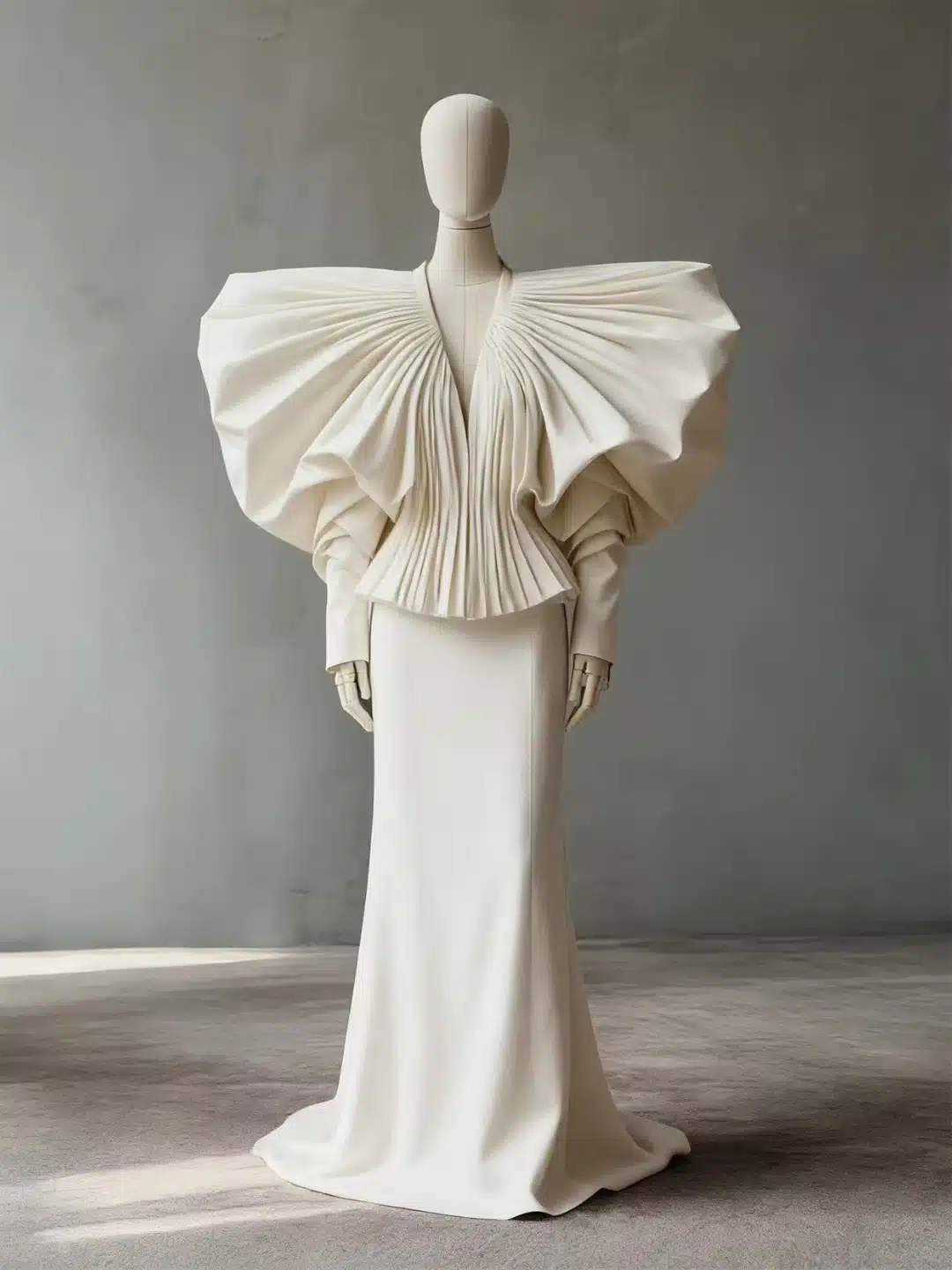
A haute couture dress isn't something you buy off a rack, it's something you're fitted into, stitch by stitch, until it feels like a second skin. If you've ever wondered why a single gown can cost as much as a car, this guide will explain exactly what you're paying for.
I've spent over a decade in the world of luxury fashion and bespoke design, and I still get asked the same question: what actually separates a haute couture gown from a designer dress you'd find at a high-end boutique? The answer runs deeper than fabric and thread count. It's a philosophy of craftsmanship that most people never get to see up close.
This article breaks down everything, from the legal definition of couture to how to commission your own custom couture dress, whether you're dressing for a wedding, a gala, or a red-carpet moment.
What Is a Haute Couture Dress, Really?
The term "haute couture" is French for "high sewing," and it's not a marketing buzzword, it's a legally protected designation in France. Only fashion houses approved by the Chambre de Syndicale de la Haute Couture in Paris can call their work true couture.
That means a house must meet strict criteria: made-to-order for private clients, at least one fitting in person, and produced in an atelier employing a minimum number of full-time staff. Most "designer" dresses you see online don't come close to meeting this bar.
A genuine haute couture gown is built entirely by hand. Every seam, every bead, every layer of tulle is placed by a skilled artisan, not a machine. This is why a single dress can take anywhere from 150 to 1,000+ hours to complete.
How Is Haute Couture Different From Ready-to-Wear?
Ready-to-wear is manufactured in standard sizes for mass distribution. Couture is the opposite, one dress, one client, zero shortcuts.
Think of it like the difference between a custom-tailored suit and one bought at a department store. Both look like suits. Only one actually fits you.
Why Do Haute Couture Dresses Cost So Much?
The price reflects labor, not just fabric. Hand-embroidery alone can take a team of seamstresses several weeks for a single bodice.
Add in imported silk, hand-sewn beading, boning structures, and multiple fittings, and you start to understand why couture pricing starts in the thousands and can climb into six figures for the most elaborate designs.
The Rise of Custom Couture Dresses for Modern Women
Here's something most people don't expect: couture isn't just for royalty or celebrities anymore. Custom couture dresses have become increasingly popular among brides, executives, and women who simply want a formal gown that fits their body, not a sample size.
I've worked with clients who came in frustrated after altering three different off-the-rack gowns that still didn't sit right on their shoulders or hips. A custom-built dress solves that problem at the root, because it's designed around your actual measurements from day one.
Who Should Consider a Custom-Made Formal Dress?
- Brides who want a gown no one else will ever wear
- Women attending galas, award shows, or high-profile events
- Anyone with a non-standard body shape that off-the-rack sizing doesn't flatter
- Clients who want full control over fabric, silhouette, and embellishment
What's the Process for Commissioning a Custom Couture Gown?
- Initial consultation: discussing vision, occasion, and budget
- Sketch and fabric selection: choosing silhouette, fabric weight, and color palette
- First fitting (toile stage): a muslin mockup to test proportions
- Construction phase: hand-sewing, boning, lining, and embellishment
- Final fitting and adjustments: ensuring a flawless fit before delivery
This process typically takes anywhere from six to twelve weeks, depending on the complexity of the design.
Women's Formal Wear Dresses: Choosing the Right Silhouette
Not every formal event calls for a full couture ballgown. Understanding the different categories of women's formal wear dresses helps you pick something appropriate, and flattering, for the occasion.
A-line gowns tend to suit most body types because they nip at the waist and flow outward, hiding areas some women prefer to minimize. Mermaid and trumpet silhouettes, on the other hand, hug the body and are better suited to formal events where a dramatic entrance matters more than ease of movement.
What's the Difference Between a Cocktail Dress and an Evening Gown?
A cocktail dress typically falls above or at the knee and suits semi-formal events. An evening gown, by contrast, is floor-length and reserved for black-tie or formal occasions, think galas, weddings, and award ceremonies.
How Do I Choose a Formal Dress for My Body Type?
Pear-shaped bodies often look stunning in A-line or fit-and-flare silhouettes that balance hip width. Apple-shaped bodies tend to benefit from empire waistlines that skim rather than cling. Hourglass figures can wear almost anything structured, since the natural waist definition does most of the work.
If you're unsure, a fitting with a professional tailor or designer will save you far more time than guessing based on online size charts.
Haute Couture Gown Trends: What's Defining 2026
Fashion moves fast, but couture trends tend to signal where the entire formalwear industry is heading a season or two later.
This year, we're seeing a shift toward architectural draping, dresses that use fabric folds as structural elements rather than decoration. Sculptural sleeves, corseted bodices with modern boning techniques, and hand-painted fabric details are also having a major moment on runways from Paris to Milan.
Are Sustainable Fabrics Making Their Way Into Couture?
Yes, and this is one of the more meaningful shifts in the industry. Several couture houses are now sourcing recycled silk, deadstock lace, and low-impact dyes without compromising the hand-finished quality clients expect.
Is Haute Couture Only Available in Black, White, or Neutral Tones?
Not anymore. While classic ivory and black remain popular for weddings and formal galas, jewel tones, emerald, sapphire, and deep burgundy, have become dominant choices for evening gowns in the past few seasons.
Women's Evening Gown: How to Style It for Any Occasion
A stunning evening gown can fall flat if it's styled incorrectly. The dress is only one part of the equation, accessories, hair, and even posture change how the entire look reads.
For black-tie events, simplicity in jewelry works best when the gown itself has heavy embellishment. Let the dress be the statement piece, and keep earrings or necklaces minimal so nothing competes for attention.
What Shoes Go Best With a Floor-Length Evening Gown?
Choose heels that are comfortable enough to stand in for hours, since most galas and formal events involve significant standing and mingling. A slight platform under the heel can also help with stability on longer trains.
How Do I Accessorize a Custom Couture Gown Without Overdoing It?
Stick to one statement piece, either a bold necklace or striking earrings, never both. If your gown already has intricate beadwork or embroidery, skip heavy jewelry altogether and let a clutch or hair accessory carry the detail instead.
Why Choose Custom-Made Over Buying Off the Rack?
I'll be direct here, because I think this matters more than most retailers admit: mass-produced formalwear is built for an "average" body that doesn't actually exist. Alterations can only fix so much before the original structure of the dress starts to work against you.
When you commission a custom couture dress, every measurement, every seam allowance, and every design choice is built around your body and your vision, not a size chart. That's the difference between a dress that looks good in photos and one that makes you feel unstoppable when you walk into a room.
If you're planning a wedding, gala, or milestone event and want a gown that's entirely yours, not a design pulled from a rack that fifty other women might also be wearing, a custom-made piece is worth the investment. We specialize in exactly this: designing and hand-crafting couture gowns and formal dresses tailored to your body, your event, and your story.
Final Thoughts
A haute couture dress is more than clothing, it's a piece of wearable craftsmanship built exclusively around you. Whether you're drawn to a dramatic evening gown or a custom wedding piece, the investment pays off in fit, quality, and the confidence that comes from wearing something made with intention.
If you're ready to start designing your own custom couture dress, the best next step is booking a consultation with a designer who can translate your vision into fabric and form.
Frequently Asked Questions
1. How much does a haute couture dress typically cost? Prices generally start around $5,000–$10,000 for simpler designs and can reach well into six figures for elaborate, heavily embellished gowns from top Paris houses.
2. How long does it take to make a custom couture gown? Most custom gowns take six to twelve weeks, depending on complexity, fittings, and embellishment work involved.
3. Can I request a haute couture-style dress without going to Paris? Yes. Many independent ateliers and custom designers worldwide offer couture-level craftsmanship with hand-finishing and personal fittings, without the Paris price tag.
4. What fabrics are commonly used in haute couture dresses? Silk organza, duchess satin, tulle, chiffon, and hand-beaded lace are among the most common choices, often layered for structure and movement.
5. Is haute couture only for weddings and red-carpet events? No. While weddings and galas are common occasions, custom couture gowns are also commissioned for anniversaries, milestone birthdays, and formal portraits.
6. What's the difference between couture and "made-to-measure"? Made-to-measure adjusts an existing pattern to your size, while true couture builds an entirely original design and pattern from scratch around your body.
7. How do I start the process of ordering a custom couture dress? Book a consultation with a designer or atelier, bring reference images or a Pinterest board, and be prepared to discuss fabric, budget, and timeline upfront.

 English
 Arabic
 French
 Spanish
 Portuguese
 Turkish
 Dutch
Dutch
 Italiano
 Russian
 Romaian
 Portuguese (Brazil)
 Greek
Greek