


Health Risks During Winter Storms in Phoenix, AZ: Protecting Your Health Before, During, and After Severe Winter Weather
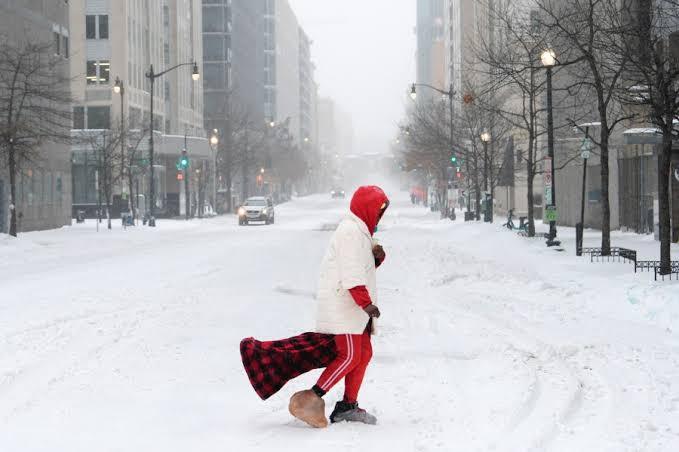
Winter storms are not the first weather event most people associate with Phoenix, Arizona. The city is famous for its hot desert climate, but northern Arizona weather systems, rare desert snow events, freezing temperatures, ice, and unusually cold rain can still create dangerous conditions. Residents who are unaccustomed to prolonged cold often underestimate the health risks that accompany severe winter weather. Even temperatures that would seem moderate in colder states can become hazardous when homes, clothing, and infrastructure are not designed for freezing conditions.
Unlike communities that experience snow every year, Phoenix residents may not own proper winter clothing, understand cold-weather safety, or recognize the warning signs of weather-related illnesses. Medical emergencies during winter storms extend far beyond traffic accidents. Cold exposure, carbon monoxide poisoning, heart attacks, interrupted medication access, and mental health concerns all become more common when severe weather disrupts everyday life.
Understanding these risks can help families prepare effectively while reducing preventable injuries and medical emergencies throughout the winter season.
Why Winter Storms Can Be Dangerous in Phoenix
Phoenix occasionally experiences winter systems that bring freezing rain, sleet, hail, unusually low overnight temperatures, or snow in nearby higher elevations. Even when snow does not accumulate throughout the city, surrounding highways, mountain passes, and transportation routes may become hazardous.
People often assume that because Arizona is generally warm, cold weather is less dangerous. In reality, populations living in warmer climates are often less prepared for sudden cold. Homes may have inadequate insulation, residents may lack proper winter clothing, and emergency planning may be limited.
Cold weather also affects people differently depending on age, medical history, housing conditions, and access to healthcare.
The elderly, infants, people with chronic illnesses, outdoor workers, and individuals experiencing homelessness face the highest risks during winter storms.
Heart Attack Risk from Snow Shoveling
One of the least recognized winter health hazards is the increased risk of heart attacks associated with snow shoveling.
Although significant snowfall is uncommon within Phoenix itself, nearby communities and neighborhoods at higher elevations occasionally require snow removal. Residents traveling to cabins, mountain homes, or nearby snow-covered areas often underestimate the physical demands of shoveling.
Snow shoveling combines several cardiovascular stressors:
- Heavy lifting
- Cold temperatures
- Increased blood pressure
- Elevated heart rate
- Reduced oxygen demand
- Sudden bursts of intense physical activity
Cold weather naturally causes blood vessels to constrict. This raises blood pressure while forcing the heart to work harder. Adding vigorous exercise such as lifting heavy wet snow dramatically increases cardiovascular strain.
Individuals at greatest risk include:
- Adults over 45
- People with high blood pressure
- Smokers
- Individuals with diabetes
- People with obesity
- Those with previous heart disease
- Anyone with a history of stroke
Warning signs of a heart attack during snow removal include:
- Chest pressure
- Pain spreading into the jaw or arm
- Severe shortness of breath
- Sudden nausea
- Cold sweating
- Lightheadedness
- Extreme fatigue
Instead of rushing through snow removal, work slowly, lift small amounts at a time, take frequent breaks, and avoid shoveling immediately after waking up or eating a large meal.
If you have a heart condition, check the winter storm warning Phoenix before deciding whether to shovel, since active winter weather can significantly increase cardiovascular stress.
Recognizing Hypothermia Symptoms
Hypothermia occurs when body temperature falls below 95°F (35°C).
Many Phoenix residents assume hypothermia only occurs in blizzards or extreme northern climates. However, prolonged exposure to temperatures only slightly above freezing can still lead to dangerous heat loss, particularly if clothing becomes wet.
Hypothermia develops gradually.
Early symptoms include:
- Persistent shivering
- Cold hands and feet
- Fatigue
- Slurred speech
- Poor coordination
- Confusion
- Difficulty concentrating
As body temperature continues dropping, symptoms become more severe:
- Violent or absent shivering
- Slow breathing
- Slow pulse
- Blue lips
- Loss of coordination
- Drowsiness
- Memory problems
- Unconsciousness
Older adults frequently experience hypothermia indoors because aging reduces the body's ability to regulate temperature.
Homes without adequate heating may become dangerously cold after prolonged power outages.
Infants are also especially vulnerable because they lose body heat more rapidly than adults.
Treatment begins by moving the person into a warm environment immediately.
Remove wet clothing, replace it with dry layers, wrap the individual in blankets, and provide warm beverages only if they are fully conscious.
Avoid placing someone directly into hot water or applying intense heat, as rapid warming may trigger dangerous heart rhythm disturbances.
Emergency medical care is essential whenever moderate or severe hypothermia is suspected.
Frostbite: Understanding Cold Injury
Frostbite develops when skin and underlying tissues freeze.
Although uncommon in central Phoenix, frostbite remains possible during severe cold exposure, especially in nearby mountain regions where many residents travel for winter recreation.
Body parts most commonly affected include:
- Fingers
- Toes
- Nose
- Ears
- Cheeks
- Chin
Early frostbite symptoms include:
- Tingling
- Numbness
- Pale skin
- Waxy appearance
- Firm skin texture
More severe frostbite causes:
- Hard skin
- Blisters
- Purple discoloration
- Complete numbness
- Tissue death
Immediate treatment should focus on preventing additional cold exposure.
Move indoors promptly.
Do not rub frostbitten skin because frozen tissue can tear easily.
Warm the affected area using warm (not hot) water between approximately 98°F and 104°F.
Avoid heating pads, fireplaces, or direct flames, as numb tissue burns easily.
Never thaw frozen tissue if refreezing is possible, since repeated freezing causes substantially greater damage.
Medical evaluation is recommended whenever blisters develop or normal skin color fails to return.
Carbon Monoxide Poisoning During Winter Storms
Power outages often lead families to use portable generators, propane heaters, charcoal grills, or gasoline-powered equipment indoors.
These practices create one of the deadliest winter hazards: carbon monoxide poisoning.
Carbon monoxide is:
- Invisible
- Odorless
- Colorless
- Tasteless
Because it cannot be detected by human senses, exposure may continue until symptoms become severe.
Carbon monoxide prevents oxygen from reaching vital organs.
Early symptoms include:
- Headache
- Dizziness
- Weakness
- Fatigue
- Nausea
- Vomiting
As poisoning worsens:
- Confusion develops
- Vision becomes blurred
- Walking becomes difficult
- Loss of consciousness occurs
- Death may follow rapidly
Generators should never operate:
- Inside homes
- Inside garages
- Under covered patios
- Near open windows
- Near doors
- Near air intake vents
Even partially open garage doors do not provide adequate ventilation.
Blocked heating vents also increase carbon monoxide accumulation.
Storm debris, snow, leaves, or ice may obstruct exhaust systems, preventing dangerous gases from escaping properly.
Every home should have functioning carbon monoxide detectors installed outside sleeping areas.
Battery backups should be tested before winter weather arrives.
If a detector alarms, everyone should leave the building immediately and call emergency services from outside.
Seasonal Affective Disorder During Prolonged Storms
Mental health receives far less attention than physical safety during winter storms.
Although Phoenix enjoys abundant sunshine for most of the year, prolonged periods of cloudy weather, cold temperatures, and reduced outdoor activity can contribute to Seasonal Affective Disorder (SAD).
Symptoms often include:
- Persistent sadness
- Low motivation
- Increased sleep
- Difficulty waking
- Reduced energy
- Changes in appetite
- Difficulty concentrating
- Social withdrawal
People already living with depression or anxiety may notice worsening symptoms during extended winter weather.
Storm-related isolation can further increase emotional stress.
Helpful coping strategies include:
- Maintaining a regular sleep schedule
- Exercising indoors
- Spending time near windows during daylight
- Staying socially connected through phone or video calls
- Continuing therapy appointments when possible
- Following prescribed mental health treatment plans
Light therapy boxes prescribed by healthcare providers may benefit some individuals experiencing seasonal mood changes.
Seeking medical attention is important whenever depression becomes severe or thoughts of self-harm develop.
Pharmacy Access During Road Closures
Winter storms occasionally disrupt transportation throughout Arizona.
Road closures affecting highways connecting Phoenix with northern communities may delay medication deliveries or limit pharmacy access.
Individuals who rely on daily prescriptions should prepare before winter weather develops.
High-priority medications include:
- Insulin
- Blood pressure medication
- Heart medication
- Asthma inhalers
- Seizure medication
- Blood thinners
- Psychiatric medications
- Kidney disease treatments
Experts commonly recommend maintaining at least a one-week emergency medication supply whenever possible.
Patients should also keep:
- Prescription lists
- Physician contact information
- Pharmacy phone numbers
- Insurance information
- Allergy records
Mail-order prescriptions may experience shipping delays during widespread winter storms.
Discuss emergency refill policies with healthcare providers before severe weather arrives.
Individuals using refrigerated medications should also have a plan for maintaining proper storage during prolonged power outages.
Coolers with ice packs may temporarily preserve medication temperatures until electricity returns.
Hospital Emergency Preparedness During Winter Storms
Hospitals remain operational throughout severe weather, but winter storms significantly increase demand for emergency services.
Healthcare facilities prepare months in advance through detailed emergency planning.
Typical hospital preparations include:
- Backup electrical generators
- Emergency fuel supplies
- Additional staffing
- Expanded emergency department capacity
- Blood supply monitoring
- Medication inventory management
- Food and water storage
- Communication backup systems
Hospitals also coordinate closely with:
- Emergency medical services
- Public health departments
- Utility companies
- Law enforcement
- Fire departments
- Emergency management agencies
Emergency departments commonly experience increased visits related to:
- Falls
- Vehicle crashes
- Heart attacks
- Hypothermia
- Carbon monoxide poisoning
- Respiratory illness
- Fractures
- Frostbite
Patients with non-life-threatening illnesses should consider urgent care centers or telemedicine services when appropriate, helping preserve emergency resources for critically ill patients.
Protecting Older Adults During Winter Storms
Older adults experience greater health risks during cold weather.
Age-related changes reduce the body's ability to regulate temperature, recognize dehydration, and respond to environmental stress.
Family members should regularly check on elderly relatives throughout winter storms.
Important considerations include:
- Indoor temperatures
- Food supplies
- Medication availability
- Heating system function
- Fall prevention
- Emergency contact access
Even indoor temperatures below recommended levels may contribute to hypothermia among seniors.
Children and Cold Weather Safety
Children lose body heat more quickly than adults.
Parents should ensure children wear multiple clothing layers rather than one bulky coat.
Recommended clothing includes:
- Insulated jackets
- Hats
- Gloves
- Warm socks
- Waterproof footwear
Wet clothing should be replaced immediately.
Children may not recognize early symptoms of hypothermia or frostbite, making adult supervision essential during outdoor activities.
Respiratory Health During Winter Storms
Cold air may worsen respiratory diseases including:
- Asthma
- Chronic obstructive pulmonary disease (COPD)
- Bronchitis
Cold, dry air can trigger airway narrowing and coughing.
People with chronic lung disease should:
- Continue prescribed medications
- Carry rescue inhalers
- Limit strenuous outdoor activity
- Cover their mouth and nose with a scarf to warm inhaled air
Power outages may also reduce indoor air quality when residents use unsafe heating methods.
Preventing Falls on Ice
Although widespread ice is unusual in Phoenix, freezing rain occasionally creates extremely slippery sidewalks and parking lots.
Falls become a major source of emergency room visits during winter weather.
Reduce fall risk by:
- Wearing shoes with good traction
- Walking slowly
- Using handrails
- Keeping walkways clear
- Avoiding unnecessary travel
Older adults face particularly high risks for hip fractures and head injuries after winter falls.
Building a Personal Winter Health Emergency Kit
Every household should prepare a winter emergency health kit before storms arrive.
Useful supplies include:
- Prescription medications
- First aid supplies
- Flashlights
- Extra batteries
- Bottled water
- Nonperishable food
- Blankets
- Warm clothing
- Portable phone chargers
- Thermometer
- Battery-powered radio
- Carbon monoxide detector batteries
- Emergency contact information
Families with infants, elderly members, or individuals with chronic illnesses should customize supplies according to their medical needs.
Final Thoughts
Although Phoenix is known for its desert climate, winter storms can still create significant health hazards that deserve serious attention. Cold exposure, cardiovascular strain, carbon monoxide poisoning, medication interruptions, mental health challenges, and transportation disruptions all become more likely when severe weather affects the region. Preparation, awareness, and early action remain the most effective ways to reduce injuries and protect vulnerable family members.
Understanding the symptoms of hypothermia and frostbite, recognizing the dangers of improper generator use, planning ahead for medication access, and appreciating the added strain winter weather places on hospitals can help residents respond confidently when conditions deteriorate. By taking practical precautions before a storm arrives and remaining informed throughout the event, Phoenix families can significantly reduce health risks and recover more safely once normal conditions return

 English
 Arabic
 French
 Spanish
 Portuguese
 Deutsch
 Turkish
 Italiano
 Russian
 Romaian
 Portuguese (Brazil)
 Greek
Greek