


Europe Whey Protein Ingredients Market: Comprehensive Analysis, Trends, and Growth Forecast (2026–2034)
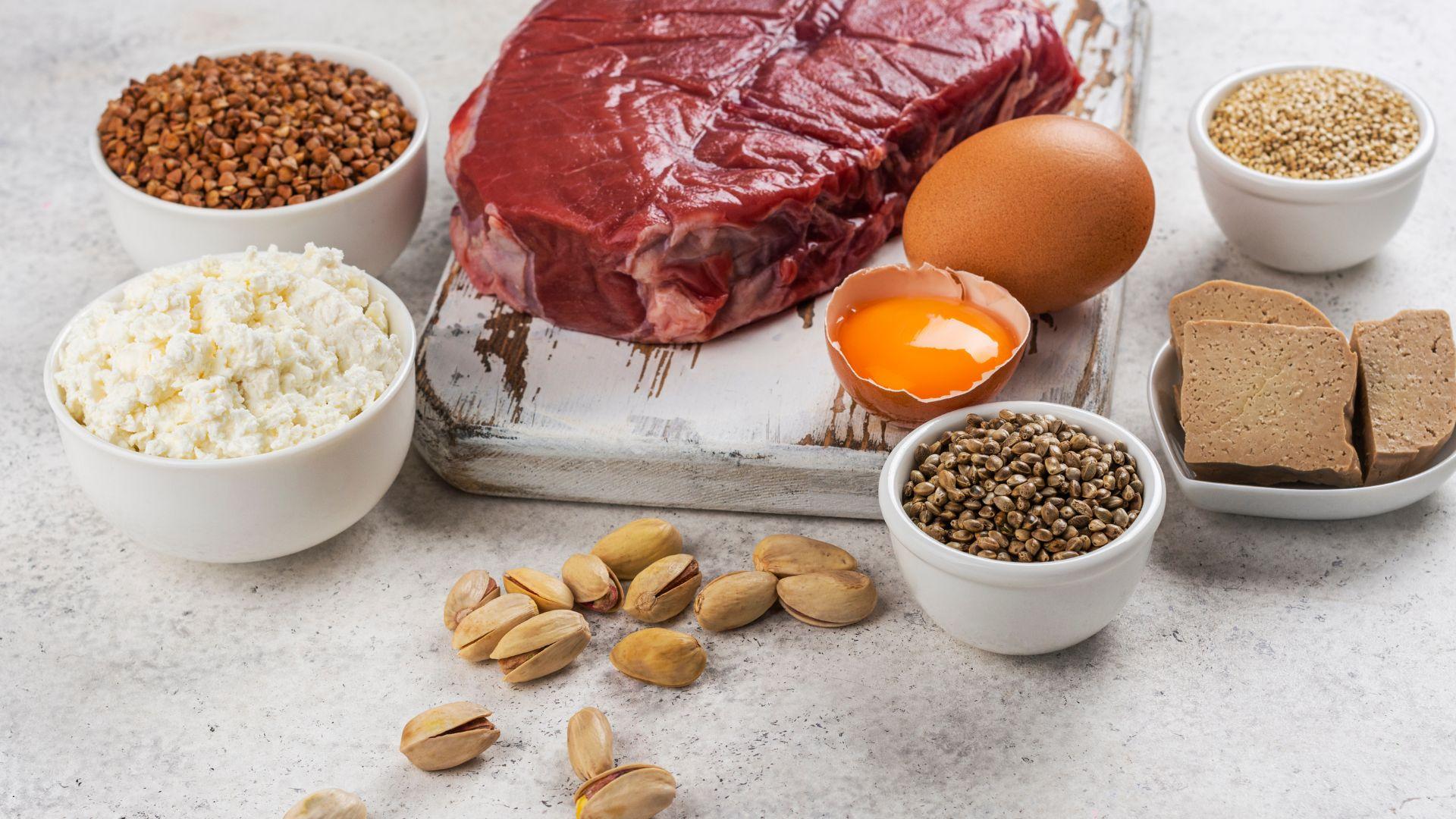
According to the latest comprehensive market analysis by Renub Research, the Europe whey protein ingredients market is positioned for a decade of substantial and sustained expansion. Evaluated at an estimated US$ 421.53 million in the year 2025, the industry is projected to achieve a remarkable valuation of US$ 659.56 million by 2034. This impressive trajectory represents a consistent compound annual growth rate (CAGR) of 5.10% over the duration of the forecast period. The primary catalysts fueling this market acceleration include a surging continental demand for sports nutrition, a heightened demographic focus on preventative health and wellness, and the rapid integration of whey derivatives into the broader food, beverage, and dietary supplement sectors. Through relentless innovation in ingredient processing, European manufacturers have successfully elevated whey from a niche athletic supplement to an essential nutritional staple for everyday consumers, creating a highly resilient market foundation.
Understanding the Whey Protein Landscape
Whey protein ingredients represent the pinnacle of high-quality nutritional supplementation. Originally a watery co-product generated during the traditional cheese manufacturing process, whey is transformed through advanced filtration technologies into a premium, highly bioavailable protein source. Boasting an exceptional profile of essential amino acids, whey is scientifically recognized for its rapid absorption rates, making it an optimal biological tool for muscle regeneration, cellular repair, and holistic dietary nourishment.
The European market categorizes these ingredients into several distinct classifications—namely whey protein concentrate, whey protein isolate, and hydrolyzed whey protein—each varying in protein density and specific processing methodologies. Today, the versatility of these ingredients allows them to be seamlessly incorporated into an expansive array of consumer products. From ready-to-drink protein shakes, performance bars, and premium dietary supplements to everyday supermarket staples like fortified yogurts, bakery items, and specialized infant formulas, whey proteins have become thoroughly indispensable to the modern European diet.
Major Market Growth Drivers
Increasing Health Awareness and Protein-Rich Diet Trends
The European Union’s concerted efforts to promote sustainable and healthy living are profoundly influencing dietary habits across the continent. Institutional frameworks, such as the EU Green Deal and the comprehensive Farm-to-Fork strategy, have placed an unprecedented spotlight on nutritional diversity. This institutional push is evident in the recent EUR 12 million financial allocation by the European Commission—under the Horizon Europe topic HORIZON-CL6-2026-02-FARM2FORK-03—aimed at advancing protein crop breeding and agronomic research. Parallel to these governmental initiatives, grassroots consumer awareness regarding the profound benefits of a protein-rich diet is skyrocketing. Everyday European shoppers are increasingly prioritizing macronutrient balance as a cornerstone of preventive medicine. Recognizing the critical role of protein in muscle formation, metabolic health, weight management, and immune system fortification, consumers are actively seeking out whey-enriched products. Consequently, whey protein has successfully transcended its historical association with elite bodybuilders, finding broad acceptance among regular individuals who view optimized nutrition as a non-negotiable aspect of their well-being.
Expansion of Sports Nutrition and Active Lifestyles
Europe has witnessed a dramatic cultural evolution toward active living, characterized by a booming fitness industry, the widespread proliferation of wellness centers, and increased participation in recreational athletics. This mainstreaming of fitness culture serves as a powerful engine driving the demand for whey protein ingredients. Modern consumers engaged in physical training recognize the scientifically validated benefits of whey—specifically its high bioavailability, superior digestibility, and unmatched muscle-recovery capabilities. Furthermore, the demographic profile of the average protein consumer has expanded exponentially. It now encompasses not just professional athletes, but young adults, recreational gym-goers, and an aging population eager to maintain their vitality. The dynamic influence of social media has further amplified this trend, creating vast new customer networks. Industry heavyweights are scaling operations aggressively to meet this demand; for instance, in March 2025, BioTechUSA, a prominent Hungarian enterprise, successfully tripled the output capacity of its protein bar manufacturing facility while concurrently launching two innovative lines of vitamin and protein supplements.
A Strong Dairy Industry and Continuous Product Innovation
The structural foundation of the Europe whey protein ingredients market is anchored by the region's historically robust and technologically sophisticated dairy sector. Because whey is fundamentally a derivative of cheese production, Europe's massive, well-established cheese output guarantees a consistent, high-volume supply of premium raw materials. Technological breakthroughs in microfiltration and enzymatic hydrolysis have revolutionized the extraction process, enabling the mass commercialization of superior whey concentrates, ultra-pure isolates, and fast-acting hydrolysates. Companies are continually investing in research and development to formulate highly functional beverages and therapeutic foods that cater to modern clean-label preferences. Moreover, manufacturers are pioneering sustainable processing techniques to minimize their ecological footprint. While the dairy sector innovates internally, parallel industries are also evolving—as seen in June 2025 when Roquette expanded its Nutralys range with textured wheat and pea proteins—highlighting a highly competitive European ecosystem where continuous whey innovation remains vital to maintaining market supremacy.
Market Challenges and Restraints
Growing Competition from Plant-Based Alternatives
Despite its dominant position, the European whey protein sector faces intensifying headwinds from the rapidly expanding plant-based protein movement. Driven by escalating consumer concerns regarding environmental sustainability, animal welfare, and ethical consumption, a growing cohort of Europeans is shifting toward vegan, vegetarian, and flexitarian diets. Proteins derived from plant sources such as soy, peas, hemp, and rice are capturing significant market share, supported by aggressive product development from major food conglomerates. As the sensory profile, texture, and nutritional completeness of these plant-based alternatives improve, they pose a formidable competitive threat to dairy-derived whey.
Price Volatility and Dairy Supply Chain Dependence
The economic stability of the whey protein market is inextricably tied to the broader agricultural dairy ecosystem, making it highly susceptible to the volatile fluctuations of the global dairy supply chain. Factors such as escalating cattle feed costs, unpredictable climatic conditions affecting pasture quality, and shifting global trade dynamics can precipitate sudden spikes in raw milk prices. These pricing uncertainties squeeze profit margins for manufacturers and often translate directly into higher retail prices for end consumers. Furthermore, logistical bottlenecks and supply chain disruptions can hinder consistent product availability, presenting a severe operational hurdle for smaller producers navigating an unpredictable market.
Segmental Market Insights
Whey Protein Concentrate (WPC) Dominance
Within the categorical segmentation of the market, whey protein concentrate continues to command a dominant presence due to its remarkable affordability and functional versatility. Retaining a moderate level of natural dairy fats and lactose alongside a rich protein profile, WPC delivers excellent nutritional value at a highly accessible price point. Its superior functional properties—such as emulsification, texturization, and water-binding—make it an indispensable ingredient across the commercial bakery, dairy manufacturing, and general food processing sectors.
Sports Nutrition and Functional Foods Expansion
The sports nutrition segment remains a foundational pillar of the industry. As fitness routines become democratized across Europe, whey has solidified its reputation as the gold standard for post-workout recovery. High-quality whey proteins are routinely incorporated into sports-focused powders, nutritional bars, and convenient ready-to-drink formulations. Concurrently, the market for functional foods utilizing whey is experiencing explosive growth. Food scientists are actively fortifying an array of traditional products—ranging from breakfast cereals to daily snacks—with high-quality whey, prioritizing clean-label ingredients to satisfy the discerning European palate.
Beverages, Elderly Nutrition, and Medical Formulations
The whey protein beverage segment is surging, propelled by the modern consumer’s relentless need for convenient, on-the-go nutritional solutions. Ready-to-drink shakes and protein-infused waters allow individuals navigating hectic lifestyles to meet their daily protein requirements effortlessly. Parallel to this, a critical frontier lies within elderly and medical nutrition. Europe's demographic profile is steadily aging, prompting an urgent focus on preventive healthcare. There is a skyrocketing demand for whey-enriched dietary supplements and clinical formulations designed specifically to combat sarcopenia (age-related muscle loss). Healthcare professionals routinely recommend these highly digestible, leucine-rich products to prevent malnutrition and accelerate patient recovery.
Country-Level Market Dynamics
Germany
Germany stands as a powerhouse within the European whey protein landscape, bolstered by an immensely robust dairy infrastructure and a deeply ingrained national fitness culture. German consumers demonstrate a strong propensity for functional foods, driving widespread distribution across specialized retailers and mainstream supermarkets. The nation is also a vital hub for cutting-edge food technology; in October 2024, an initiative by Infinite Roots and the Hamburg University of Technology secured €2.6 million from the German government to pioneer technology converting whey into a cultivation medium for mycelium.
United Kingdom
The United Kingdom boasts one of the most dynamic markets in the region, fueled by an exploding gym culture and aggressive health consciousness. British consumers demand premium, clean-label sports nutrition products. The market's highly lucrative nature was highlighted in April 2025, when More Nutrition—a leading German wellness brand—officially launched operations in the UK, introducing a highly anticipated range of low-sugar, high-protein formulations to an eager British audience.
France
In France, a deep-rooted historical reverence for traditional dairy provides an ideal foundation for a flourishing whey protein sector. The ingredient is extensively utilized across sports, clinical, and functional food applications by consumers who are notoriously exacting regarding food quality. French innovation remains at the forefront; in December 2025, the dairy cooperative AFI unveiled five groundbreaking concepts at the Fi Europe event in Paris, including a high-protein clear yogurt, a hydrolyzed whey drinking yogurt, and "Milky Spark," a revolutionary carbonated beverage crafted from pure whey protein.
Russia
The Russian market is experiencing steady, urbanization-driven growth. As disposable incomes rise and city-dwellers become increasingly health-conscious, demand for whey-based dietary supplements is expanding rapidly. Government initiatives supporting domestic agriculture have fortified local supply chains. Notably, in January 2023, the Molvest Group executed a massive 2 billion ruble expansion of its Kalach-based facility, significantly boosting domestic production capabilities for high-grade milk protein concentrates.
Europe Whey Protein Ingredients Industry Segmentation
By Type
-
Whey Protein Concentrate
-
Whey Protein Isolate
-
Hydrolyzed Whey Protein
By Application
-
Sports Nutrition
-
Functional Foods
-
Infant Formula
-
Bakery & Confectionery
By End User
-
Animal Feed
-
Food and Beverages: Bakery, Beverages, Breakfast Cereals, Condiments/Sauces, Confectionery, Dairy and Dairy Alternative Products, RTE/RTC Food Products, Snacks.
-
Personal Care and Cosmetics
-
Supplements: Baby Food and Infant Formula, Elderly Nutrition and Medical Nutrition, Sport/Performance Nutrition.
By Country France, Germany, Italy, Spain, United Kingdom, Belgium, Netherlands, Russia, Poland, Greece, Norway, Romania, Portugal, and the Rest of Europe.
Key Players Analysis Leading entities evaluated in the market include Agrial Enterprise, Arla Foods amba, Carbery Food Ingredients Limited, Groupe Lactalis, Koninklijke FrieslandCampina N.V., Lactoprot Deutschland GmbH, MEGGLE GmbH & Co. KG, Morinaga Milk Industry Co. Ltd, and Sodiaal Union SCA.
Frequently Asked Questions (FAQs)
1. What is the projected market size of the Europe whey protein ingredients sector by 2034? According to the comprehensive data provided by Renub Research, the Europe whey protein ingredients market is projected to reach a substantial valuation of US$ 659.56 million by the year 2034.
2. What was the estimated market value of the industry in 2025? Based on the market analysis conducted by Renub Research, the industry was evaluated at an estimated US$ 421.53 million in the baseline year of 2025.
3. At what rate is the Europe whey protein ingredients market expected to grow? Renub Research forecasts that the market will expand at a steady Compound Annual Growth Rate (CAGR) of 5.10% throughout the forecast period spanning from 2026 to 2034.
4. What are the primary growth drivers identified for this market? As outlined by Renub Research, the key factors propelling market growth include a surging consumer demand for sports nutrition products, a heightened state of health and dietary consciousness, and widespread product innovation expanding whey applications across various daily food and beverage sectors.
5. Which specific product types are evaluated in the market analysis? The Renub Research report categorizes the market into three primary product types: Whey Protein Concentrate, Whey Protein Isolate, and Hydrolyzed Whey Protein.
6. What are the major end-user industries utilizing these ingredients? According to Renub Research findings, the major end-user segments include the diverse Food and Beverages sector, specialized Supplements (spanning infant, elderly, and performance nutrition), Animal Feed, and the Personal Care and Cosmetics industry.
7. Who are the leading corporate players operating in this regional market? The Renub Research report highlights several dominant key players shaping the competitive landscape, including Agrial Enterprise, Arla Foods amba, Carbery Food Ingredients Limited, Groupe Lactalis, Koninklijke FrieslandCampina N.V., Lactoprot Deutschland GmbH, MEGGLE GmbH & Co. KG, Morinaga Milk Industry Co. Ltd, and Sodiaal Union SCA.

 English
 Arabic
 French
 Spanish
 Portuguese
 Deutsch
 Turkish
 Italiano
 Russian
 Romaian
 Portuguese (Brazil)
 Greek
Greek