


4 Major Types of Refractory Materials Essential for Harsh Industrial Conditions
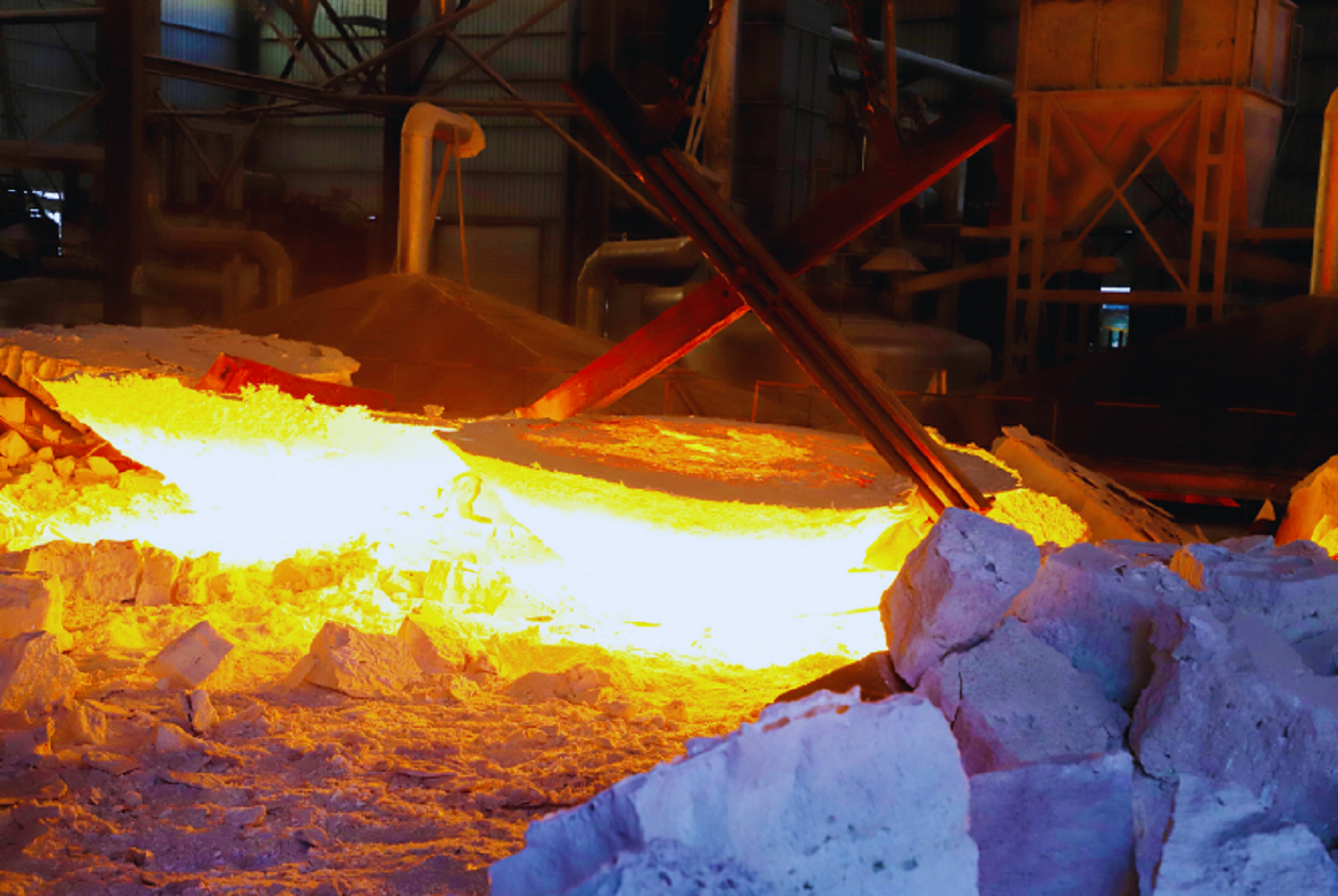
Refractories are ceramic materials that are designed to withstand extreme high temperatures and are used to line the hot surfaces found inside many industrial processes. Refractory materials can withstand extremely high melting points that maintain their strength and structure. These refractory materials come in a large number of shapes and sizes as per the specific requirements of the industry. A large number of refractory materials are used in ovens, boilers, kilns, and conventional industrial furnaces.
Silica Refractory
Silica bricks are one of the most important refractory materials, and they are well-known for having outstanding mechanical strength. At least 93% of their composition is silicon dioxide. Top refractory companies use high-quality refractory raw materials to manufacture them. They also contain calcium compounds, which act as bonding agents. Numerous industries, such as metallurgic furnaces, the iron and steel industry, the refinery and petrochemical industry, and others, utilise them.
Fireclay Refractory
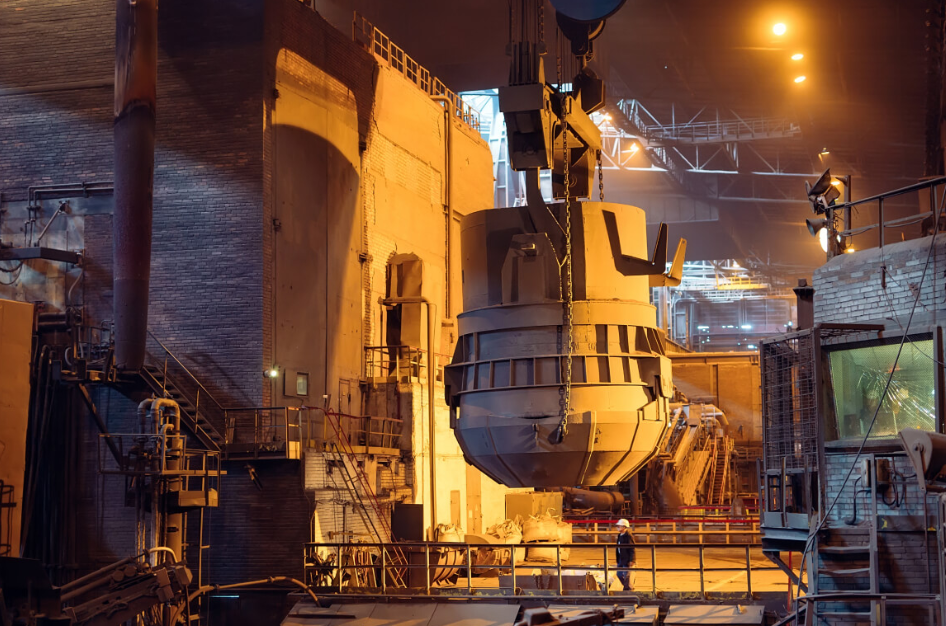
These refractory materials are a type of clay that can withstand high temperatures without deforming or changing the structure. Alumina and silica, along with other minor additional minerals, comprise the composition of fireclay. They are the most popular and inexpensive refractory materials. These refractories can be used in regenerators, furnaces, kilns, and a large number of other purposes.
Magnesite Refractory
Magnesite refractories, which are made up of 85% magnesium oxide. A variety of industrial settings, including steelmaking, glass furnaces, rotary kilns, electric furnaces, and many others, use it. They can withstand high temperatures and exhibit good resistance to alkali. Additionally, magnesite refractories are known for their excellent thermal shock resistance, which makes them ideal for applications where rapid temperature changes occur.
High Alumina Refractory
Alumina, the primary component of these refractory materials, is renowned for its exceptional thermal stability, mechanical strength, and resistance to chemical corrosion. They are ideal for applications in furnaces, kilns, and reactors, where they can withstand intense heat. Their low porosity and high density make them highly resistant to wear and thermal shock, ensuring long-lasting performance. These qualities make them a preferred choice in industries such as steel, cement, and petrochemicals.
Refractory material plays a critical role in industries that operate under extreme heat and harsh conditions. Refractory materials like silica, fireclay, magnesite, or high alumina offer unique properties to meet the specific industrial requirements. Many refractory manufacturers continue to innovate and produce high-quality materials that cater to evolving industrial needs.

 English
 Arabic
 French
 Spanish
 Portuguese
 Deutsch
 Turkish
 Dutch
Dutch
 Russian
 Romaian
 Portuguese (Brazil)
 Greek
Greek