


The Ultimate Guide to Vintage Home Decor: Defining Eras from Art Deco to Retro
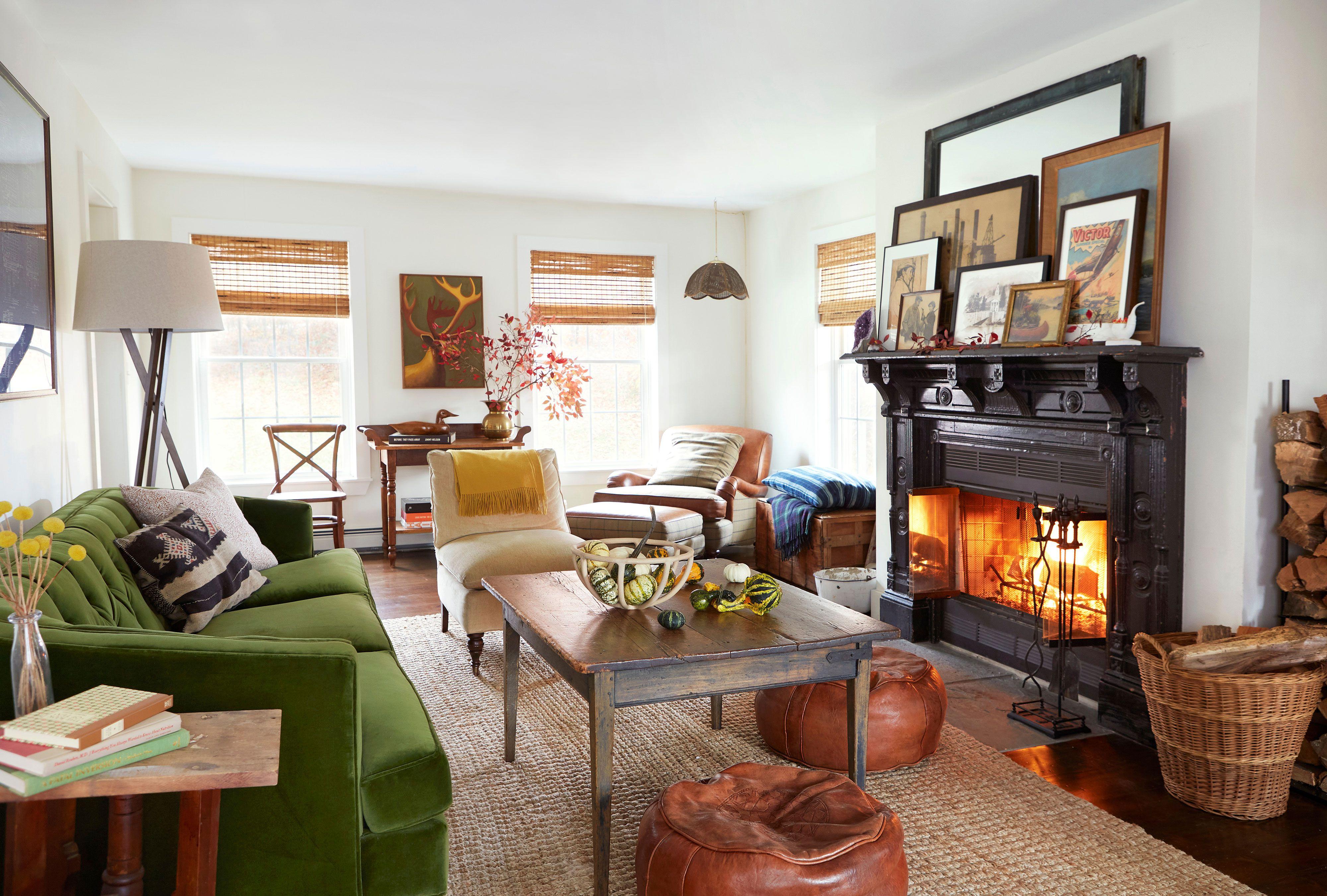
Vintage interiors have a timeless appeal that continues to inspire homeowners, collectors, and interior designers around the world. Unlike short-lived design trends, vintage home decor celebrates craftsmanship, history, and individuality, allowing every room to tell a unique story. From glamorous Art Deco pieces to the bold colors of Retro design, each era has introduced distinctive styles that continue to influence modern interiors. Decorating with vintage elements is more than simply filling a room with old furniture—it is about appreciating the artistry, quality, and character behind every carefully selected piece. Understanding the defining features of different design periods can help you create a home that feels elegant, authentic, and full of personality.
The growing popularity of vintage decorating reflects a shift toward quality and sustainability. Many homeowners now prefer furniture and accessories that have lasting value instead of mass-produced items designed for short-term use. Vintage pieces often feature exceptional materials, handcrafted details, and timeless proportions that remain beautiful for decades. Whether you are decorating an entire home or adding a few statement items, learning about the major design eras will help you make informed choices that complement your personal style. A well-designed vintage interior combines history with comfort, creating spaces that remain welcoming for generations.
What Makes Vintage Home Decor Unique?
Natural wood, solid metal, handcrafted upholstery, and intricate detailing give these furnishings a distinctive character that cannot easily be replicated. The appeal of vintage home decor lies in its ability to bring warmth, authenticity, and individuality into a living space. Unlike contemporary furniture that often follows current trends, vintage pieces carry historical significance and display craftsmanship rarely found in modern mass production. Every scratch, patina, or weathered finish tells a story of previous generations, adding depth and charm to modern homes. These unique qualities make vintage decorating both meaningful and visually appealing.
Another defining feature of vintage interiors is their versatility. Vintage furniture and accessories can be incorporated into traditional, modern, industrial, Scandinavian, or minimalist homes without feeling out of place. Carefully chosen antique mirrors, wooden cabinets, decorative lighting, and artwork introduce texture and personality while maintaining a balanced aesthetic. Instead of creating perfectly matched rooms, vintage decorating encourages thoughtful combinations that reflect individual taste. This flexibility allows homeowners to create interiors that feel curated rather than overly designed.
Sustainability also contributes to the growing appreciation of vintage furnishings. Restoring and reusing older furniture reduces environmental waste while preserving exceptional craftsmanship. Choosing quality vintage pieces supports responsible consumption by extending the lifespan of beautifully made items. This environmentally conscious approach makes vintage decorating an attractive option for homeowners seeking both style and sustainability.
The Glamour of the Art Deco Era
Art Deco emerged during the 1920s and 1930s as one of the most luxurious and sophisticated design movements in history. Characterized by bold geometric patterns, rich materials, and elegant symmetry, this era reflected optimism, innovation, and glamour. Furniture often featured polished wood, lacquered finishes, chrome accents, marble surfaces, and luxurious fabrics such as velvet and leather. Decorative motifs inspired by architecture, technology, and global cultures added dramatic visual interest. Art Deco interiors celebrated refinement while embracing modern manufacturing techniques.
Color played an important role in defining Art Deco spaces. Deep blacks, golds, emerald greens, royal blues, and rich burgundy tones created striking contrasts that emphasized luxury and elegance. Mirrors, metallic finishes, and crystal lighting fixtures reflected light beautifully, enhancing the sense of sophistication throughout the home. Every furniture piece was carefully designed to balance functionality with artistic expression. This combination of beauty and practicality continues inspiring contemporary interior designers today.
Modern homeowners often incorporate Art Deco elements through statement furniture, decorative lighting, or geometric accessories rather than recreating entire period interiors. A beautifully restored cabinet, elegant mirror, or sculptural chandelier introduces timeless glamour while complementing modern furnishings. These carefully selected accents allow Art Deco style to remain relevant within contemporary living spaces.
The Simplicity of Mid-Century Modern Design
The mid-century modern movement emerged after World War II and quickly became one of the most influential furniture styles ever created. Designers focused on clean lines, practical functionality, and natural materials that suited changing lifestyles and modern architecture. Furniture featured tapered legs, organic curves, and uncluttered silhouettes that created bright, open interiors. Wood species such as walnut, teak, and oak became defining characteristics of the movement. This timeless simplicity continues attracting homeowners across generations.
Mid-century interiors emphasized the relationship between indoor and outdoor living by incorporating natural light, large windows, and earthy materials. Furniture was designed to maximize comfort while maintaining elegant proportions suitable for everyday use. Iconic designers introduced groundbreaking techniques using molded plywood, fiberglass, and metal to produce durable yet visually appealing furnishings. These innovations revolutionized furniture manufacturing and established design principles that remain highly influential today.
Many homeowners appreciate mid-century pieces because they blend effortlessly with contemporary interiors. A vintage sideboard, lounge chair, or coffee table introduces warmth and craftsmanship without overwhelming modern spaces. Their versatility makes them valuable investments that continue adding beauty and function to homes decades after their creation.
Rustic Farmhouse and Traditional Vintage Style
Farmhouse-inspired vintage interiors celebrate comfort, simplicity, and handcrafted beauty. This style originated in rural homes where furniture was built for durability and everyday practicality rather than decoration alone. Solid wood dining tables, distressed cabinets, open shelving, and woven baskets remain defining features of farmhouse design. Natural finishes and subtle imperfections contribute to the welcoming atmosphere associated with this timeless style. Every piece reflects a sense of authenticity that modern homeowners continue to appreciate.
Neutral color palettes dominate farmhouse interiors, with whites, creams, soft grays, and warm earth tones creating relaxed environments suitable for family living. Linen textiles, cotton fabrics, and vintage ceramics introduce texture while maintaining visual harmony throughout the home. Decorative accessories such as antique clocks, enamelware, and handmade pottery reinforce the rustic aesthetic without appearing overly formal. Together, these elements create spaces that feel comfortable, practical, and inviting.
Traditional vintage interiors also embrace heirloom furniture passed through generations. Ornate wooden cabinets, carved chairs, antique writing desks, and decorative sideboards contribute elegance while preserving family history. Blending these treasured items with contemporary comforts allows homeowners to celebrate tradition without sacrificing modern functionality.
The Bold Personality of Retro Design
Retro design emerged during the 1950s, 1960s, and 1970s, introducing vibrant colors, playful patterns, and creative experimentation into interior design. Unlike earlier styles that emphasized subtle elegance, Retro interiors embraced bold oranges, yellows, turquoise, avocado green, and rich browns to create energetic living spaces. Furniture featured rounded edges, sculptural forms, and innovative materials such as molded plastic, chrome, and vinyl. These distinctive characteristics gave Retro interiors their unmistakable personality.
Graphic patterns became another defining element of Retro decorating. Geometric wallpapers, abstract textiles, colorful rugs, and artistic wall décor introduced movement and visual excitement throughout the home. Lighting fixtures often served as sculptural centerpieces rather than purely functional objects. This playful approach encouraged creativity while reflecting the optimism of the era. Many of these bold design choices continue inspiring contemporary interiors today.
Modern homeowners frequently incorporate Retro style through carefully selected accent pieces rather than complete room makeovers. A colorful armchair, vintage record player, or patterned rug introduces nostalgic charm while maintaining balance with modern furnishings. These subtle references allow Retro design to feel fresh rather than overwhelming in today's homes.
The Value of Vintage Designer Furniture
One of the most rewarding aspects of collecting vintage designer furniture is owning pieces that combine artistic significance with practical functionality. Furniture created by renowned designers often reflects exceptional craftsmanship, innovative engineering, and timeless aesthetics that continue appreciating in value over time. These pieces are admired not only for their beauty but also for their historical importance within the evolution of modern design. Investing in quality designer furniture provides lasting enjoyment while preserving important design heritage.
Authentic designer furniture frequently features premium materials, carefully considered proportions, and construction techniques that distinguish it from ordinary mass-produced items. Original labels, manufacturer marks, and documented provenance further increase collectability and long-term value. Even well-crafted reproductions inspired by iconic designs allow homeowners to appreciate timeless aesthetics while remaining within budget. Quality remains the defining characteristic regardless of age or rarity.
Beyond financial value, vintage designer furniture contributes personality and sophistication to modern interiors. A carefully restored lounge chair, elegant dining table, or sculptural cabinet instantly becomes a focal point within the room. These timeless pieces blend beautifully with contemporary architecture while introducing craftsmanship rarely found in modern manufacturing. Their enduring popularity reflects the universal appeal of thoughtful design.
Tips for Decorating with Vintage Pieces
Creating a successful vintage-inspired home begins with selecting a few meaningful statement pieces rather than filling every room with antiques. A vintage cabinet, elegant mirror, or handcrafted coffee table can establish character while allowing surrounding furniture to remain simple and contemporary. This balanced approach prevents interiors from feeling crowded while highlighting the beauty of each carefully chosen item. Less often creates greater visual impact.
Color coordination helps unify furniture from different eras into a cohesive design. Neutral walls provide flexible backgrounds that allow wood finishes, decorative accessories, and vintage artwork to stand out naturally. Repeating similar materials such as wood, brass, leather, or linen throughout the room strengthens visual harmony while preserving individuality. Consistent textures create warmth without sacrificing sophistication.
Proper lighting further enhances vintage interiors by emphasizing craftsmanship and decorative details. Warm ambient lighting, elegant table lamps, and carefully positioned wall sconces create inviting environments suitable for both everyday living and entertaining guests. Regular maintenance also preserves furniture quality by protecting wood finishes, upholstery, and decorative surfaces from unnecessary wear. Thoughtful care ensures these timeless pieces remain beautiful for future generations.
Why Vintage Decorating Remains Popular Today
The enduring appeal of vintage home decor reflects a growing appreciation for authenticity, sustainability, and timeless craftsmanship. Homeowners increasingly seek interiors that feel personal rather than identical to every other modern home. Vintage furnishings offer unique stories, exceptional materials, and artistic details that create meaningful living environments filled with character. Their individuality allows every room to reflect personal taste instead of temporary fashion trends.
Environmental awareness has also encouraged more people to restore and reuse older furniture instead of purchasing inexpensive replacements. Choosing vintage pieces reduces waste while supporting responsible consumption and preserving historical craftsmanship. This sustainable approach aligns perfectly with modern values emphasizing long-term quality over disposable products. Beautiful furniture designed to last for generations naturally becomes more valuable with time.
Perhaps most importantly, vintage decorating allows homeowners to connect with history while creating comfortable spaces for modern living. Whether incorporating elegant Art Deco accessories, timeless mid-century furnishings, rustic farmhouse elements, or colorful Retro accents, each carefully selected piece contributes depth and personality to the home. This thoughtful combination of history and functionality ensures vintage interiors remain stylish, welcoming, and relevant for years to come.
Conclusion
The journey through the major design eras reveals why vintage home decor continues inspiring homeowners across the world. From the luxurious elegance of Art Deco and the timeless simplicity of Mid-Century Modern to the welcoming charm of Farmhouse style and the playful energy of Retro interiors, every period has contributed unique ideas that remain influential today. Understanding these styles helps homeowners confidently choose furniture and accessories that reflect both historical appreciation and personal taste.
Whether you are beginning your collection or investing in carefully selected vintage designer furniture, the key to successful decorating lies in balance, quality, and thoughtful design. Mixing timeless pieces with modern comforts creates interiors that feel authentic, functional, and inviting. As design trends continue evolving, vintage furnishings remain valuable because they celebrate craftsmanship, sustainability, and individuality. Choosing vintage is not simply decorating a home—it is preserving history while creating beautiful spaces that can be enjoyed for generations.

 English
 Arabic
 French
 Spanish
 Portuguese
 Deutsch
 Turkish
 Dutch
Dutch
 Italiano
 Romaian
 Portuguese (Brazil)
 Greek
Greek