


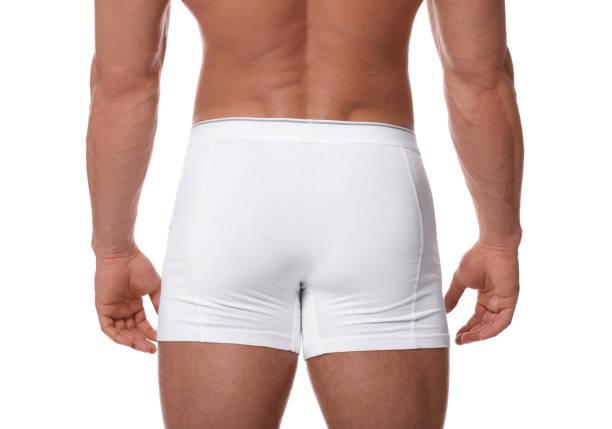
If you've been hitting the gym consistently, eating clean, and seeing results, only to hit a wall, you are not alone. This is the dreaded plateau—a common and frustrating phase where progress stalls despite continued effort. How to Lose Butt Fat for Men? However, a plateau is not a sign of failure; it is a signal that your body has adapted to your current routine. The key to breaking through is not working harder but training smarter. This guide provides practical, evidence-based strategies to reignite your fat loss and muscle growth.
Understanding Why Plateaus Happen
The body is remarkably adaptable. When you start a new training program, you often see rapid improvements as your body responds to the novel stimulus. Over time, however, your body becomes more efficient at handling the workload, and the same exercises and volume produce diminishing returns.
This is why you cannot spot-reduce fat from your glutes. Doing endless squats will build muscle, but it won't burn the fat on top of it . To shift this stubborn fat, you need to lower your overall body fat percentage while building muscle mass. This requires a calorie deficit and a progressive training stimulus.
Smart Training Tweaks: Progressive Overload
Progressive overload is the systematic increase of stress placed on your muscles over time. It is the single most important driver of muscle growth. If you consistently lift the same weight in the same way, your muscles will adapt and have no reason to grow.
How to Progress:
-
Increase Weight: Gradually add weight to your lifts (e.g., 2.5-5 lbs per week).
-
Add Volume: Increase the number of sets or reps you perform.
-
Alter Tempo: Slow down the eccentric (lowering) phase of a lift to increase time under tension.
-
Change Your Rep Ranges: A powerbuilding routine that incorporates both heavy, low-rep work (3-5 reps) for strength and higher-rep work (8-12 reps) for hypertrophy can be highly effective.
Smart Training Tweaks: Periodization
Periodization involves systematically varying your training variables (volume, intensity, frequency) over time to prevent adaptation and ensure continuous progress. A simple approach is linear periodization, where you move from higher volume and lower intensity to lower volume and higher intensity over a macrocycle .
A 3-Month Linear Periodization Plan:
-
Month 1 (Hypertrophy): 3-4 sets of 8-12 reps. Focus on building muscle.
-
Month 2 (Strength): 4-5 sets of 3-6 reps. Focus on lifting heavy weights.
-
Month 3 (Power): 3-4 sets of 1-3 reps with explosive movement, plus a reduction in overall volume.
A more advanced approach is undulating periodization, where you vary the load and rep range each workout (e.g., a heavy day, a medium day, a light day) . This is often more practical for long-term progression.
Smart Training Tweaks: Deloads and Recovery
Sometimes, the best way to break a plateau is to take a step back. A deload is a planned period of reduced training volume and/or intensity to allow your body to fully recover and adapt . A common deload protocol involves reducing your training volume by 50-60% for a week. This allows your central nervous system to recover, reduces cortisol, and prepares you to come back stronger.
Recovery is not just about rest days. Sleep and stress management directly impact fat loss. Poor sleep increases cortisol (a stress hormone) that can lead to increased fat storage, especially in the stomach and butt area . Aim for 7-9 hours of quality sleep each night.
Nutritional Tweaks for Fat Loss
Fat loss ultimately comes down to a calorie deficit. If you've plateaued, you may need to adjust your nutrition. This might involve:
-
Re-evaluating Your Calorie Intake: As you lose weight, your maintenance calories decrease. You may need to adjust your intake accordingly.
-
Prioritizing Protein: Aim for 1.6–2.2 grams of protein per kilogram of body weight. This is critical for muscle repair and satiety.
-
Carb Cycling: Some advanced lifters find success with carb cycling (higher carbs on training days, lower on rest days).
Advanced Aesthetic Interventions for Stubborn Fat
Sometimes, even with smart training tweaks, stubborn, localized fat remains resistant to change. If you are near your ideal weight but cannot shift specific pockets of fat, aesthetic treatments can help target these areas. Treatments such as CoolSculpting (cryolipolysis) for pinchable fat rolls or Emsculpt Neo for building muscle and reducing fat typically show results within 4-12 weeks.
For those seeking expert guidance and customized aesthetic care, you can book an appointment consultation at the Enfield Royal Clinic.
Frequently Asked Questions
Why has my fat loss stalled despite consistent effort?
Your body has likely adapted to your current routine. This is a normal plateau. You need to adjust your training variables (volume, intensity) or re-evaluate your calorie intake.
What is progressive overload and why is it important?
Progressive overload is the gradual increase of stress on muscles over time. It is essential for stimulating muscle growth and breaking through plateaus.
What is periodization and how does it help?
Periodization involves systematically varying your training to prevent adaptation. It provides a clear plan for continuous progress and prevents boredom.
When should I consider a deload week?
Consider a deload week if you feel persistently fatigued, your performance has dropped, or you've been training intensely for 4-6 weeks. It allows your body to recover and adapt.
Are advanced aesthetic treatments a substitute for diet and exercise?
No. They are best for stubborn, localized fat that persists after reaching a stable, healthy weight. They are not a solution for overall weight loss.

 English
 Arabic
 French
 Spanish
 Deutsch
 Turkish
 Dutch
Dutch
 Italiano
 Russian
 Romaian
 Portuguese (Brazil)
 Greek
Greek