


What to Expect During Your First Medical Weight Loss Consultation
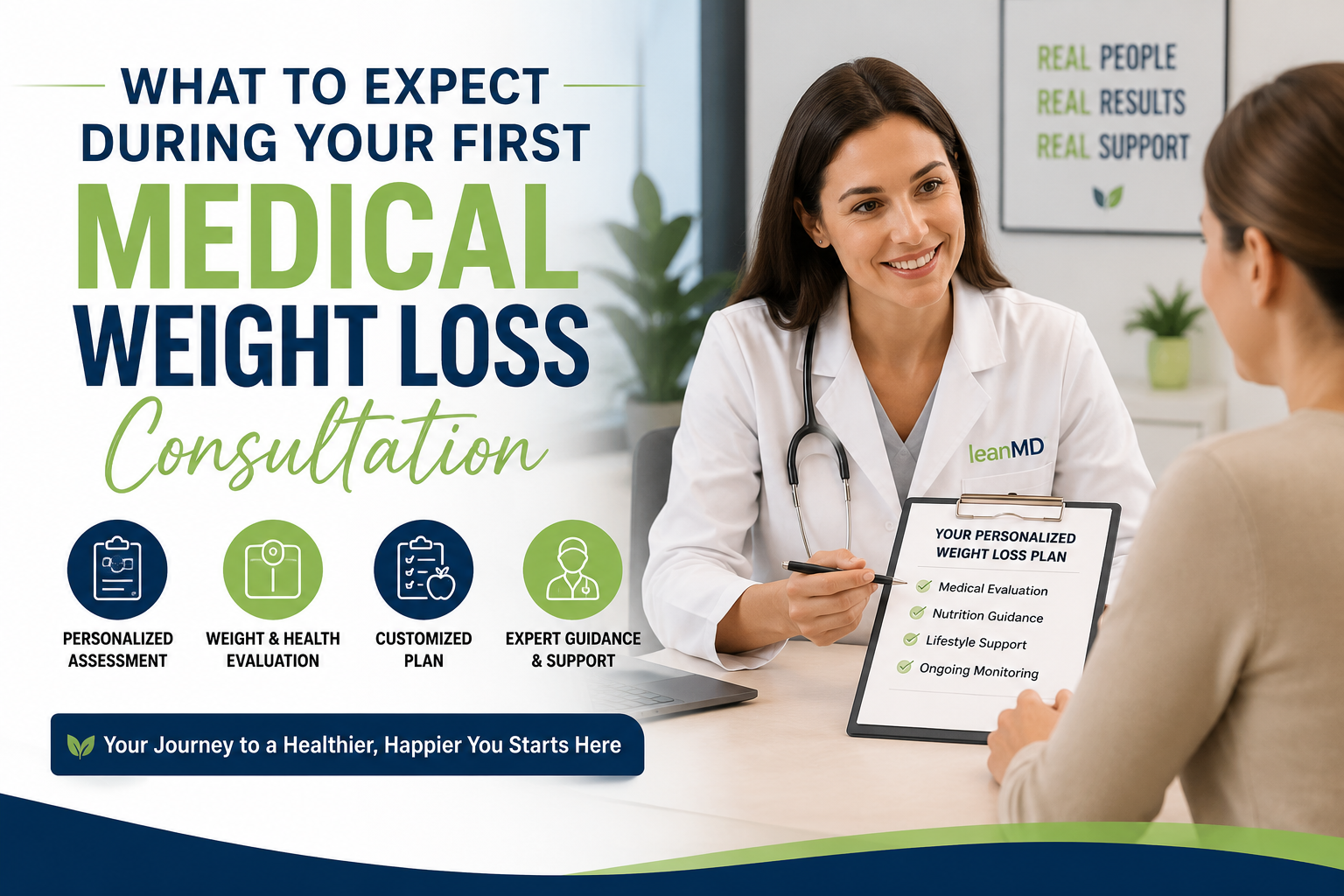
Starting a weight loss journey can feel overwhelming, especially if you've tried multiple diets, workout plans, or weight loss programs without lasting success. The good news is that a medical weight loss consultation takes a completely different approach. Instead of relying on one-size-fits-all advice, physician-supervised weight loss focuses on understanding your unique health profile, lifestyle, and goals to create a personalized plan that works.
At LeanMD, your first consultation is designed to uncover the root causes of weight gain while providing a clear roadmap for healthy, sustainable weight loss. Whether you're considering GLP-1 medications, medical nutrition therapy, or lifestyle coaching, your initial appointment lays the foundation for long-term success.
Why Your First Consultation Matters
Many people believe weight loss is simply about eating less and exercising more. While nutrition and physical activity are important, weight management is influenced by many other factors, including:
- Hormonal imbalances
- Metabolism
- Genetics
- Sleep quality
- Stress levels
- Medical conditions
- Prescription medications
Your first consultation allows a medical professional to evaluate these factors before recommending a treatment plan.
Step 1: Comprehensive Health Review
Your appointment usually begins with an in-depth discussion about your overall health.
Your provider may ask about:
- Current weight and weight history
- Previous dieting experiences
- Medical conditions
- Family health history
- Current medications
- Allergies
- Daily lifestyle habits
- Sleep patterns
- Exercise routine
- Eating behaviors
- Stress levels
This information helps identify potential barriers preventing successful weight loss.
Step 2: Physical Assessment
A complete physical assessment provides important baseline measurements that help monitor your progress over time.
Common assessments include:
- Height and weight
- Body Mass Index (BMI)
- Waist circumference
- Blood pressure
- Body fat percentage
- Muscle mass
- Hydration levels
Unlike traditional programs that only focus on the number on the scale, medical weight loss emphasizes improving overall body composition.
Step 3: Laboratory Testing
Depending on your medical history, your provider may recommend blood work to identify hidden health issues affecting your metabolism.
Common laboratory tests include:
- Blood glucose
- Hemoglobin A1C
- Cholesterol levels
- Thyroid function
- Liver function
- Kidney function
- Vitamin D
- Vitamin B12
- Hormone levels (when appropriate)
These results help determine whether underlying medical conditions are contributing to weight gain.
Step 4: Understanding Your Weight Loss Goals
Your provider will discuss what success means to you.
Common goals include:
- Losing excess body fat
- Improving overall health
- Increasing energy
- Reducing blood pressure
- Managing diabetes
- Improving mobility
- Preparing for surgery
- Building healthier habits
- Maintaining long-term results
Setting realistic expectations helps create a sustainable treatment plan.
Step 5: Personalized Nutrition Assessment
There is no single diet that works for everyone.
During your consultation, you'll discuss:
- Daily eating habits
- Portion sizes
- Food preferences
- Meal timing
- Emotional eating
- Snacking habits
- Restaurant meals
- Beverage choices
Instead of restrictive dieting, your provider develops a nutrition strategy that fits your lifestyle.
Step 6: Reviewing Exercise Habits
Exercise recommendations are tailored to your current fitness level.
Your provider may discuss:
- Walking routines
- Strength training
- Mobility limitations
- Joint pain
- Previous injuries
- Physical activity goals
Even small increases in movement can significantly improve long-term weight management.
Step 7: Determining Whether Weight Loss Medication Is Appropriate
Many patients ask about prescription medications during their first visit.
Depending on your health profile, your provider may discuss medications such as:
- GLP-1 receptor agonists
- Semaglutide
- Tirzepatide
- Other FDA-approved weight loss medications
Medication recommendations are based on:
- BMI
- Existing medical conditions
- Weight loss goals
- Previous treatment history
- Overall health
Not everyone requires medication, and your physician will determine the safest option for your needs.
Step 8: Creating Your Personalized Treatment Plan
One of the biggest benefits of physician-supervised weight loss is receiving a customized care plan.
Your plan may include:
- Personalized nutrition guidance
- Exercise recommendations
- Lifestyle coaching
- Prescription medication (if appropriate)
- Behavioral counseling
- Ongoing progress monitoring
- Follow-up appointments
This comprehensive approach improves the likelihood of lasting success.
Step 9: Education and Support
Medical weight loss is more than simply prescribing medication.
You'll receive education on:
- Healthy eating habits
- Portion control
- Managing cravings
- Reading nutrition labels
- Building sustainable routines
- Preventing weight regain
Knowledge empowers patients to make healthier choices every day.
Step 10: Scheduling Follow-Up Visits
Weight loss is an ongoing journey, not a one-time appointment.
Follow-up visits allow your provider to:
- Track progress
- Monitor medication effectiveness
- Adjust treatment plans
- Address challenges
- Celebrate milestones
- Provide continued motivation
Regular physician support often leads to better long-term outcomes than attempting weight loss alone.
Common Questions Patients Ask
Will I receive medication during my first visit?
Not necessarily. Medication is prescribed only after your provider completes a comprehensive medical evaluation and determines it's appropriate for your health needs.
Do I need lab work before starting treatment?
Some patients may require laboratory testing before beginning certain medications or treatment plans.
How long does the first appointment take?
Initial consultations typically last longer than routine medical visits because they include a complete health evaluation, discussion of goals, and development of a personalized treatment strategy.
Is medical weight loss only for people with obesity?
No. Many individuals seek medical weight loss support to improve overall health, manage chronic conditions, or prevent future health complications.
Tips Before Your Appointment
To get the most from your consultation:
- Bring a list of current medications and supplements.
- Prepare your medical history.
- Be honest about eating and exercise habits.
- Write down your weight loss goals.
- Bring copies of recent lab work if available.
- Prepare questions for your provider.
The more information you provide, the more personalized your treatment plan can be.
Why Choose Physician-Supervised Weight Loss?
Unlike fad diets, physician-supervised programs address the medical, nutritional, and behavioral aspects of weight management. This comprehensive approach helps identify the underlying causes of weight gain while providing evidence-based treatments tailored to your individual needs.
Patients benefit from:
- Personalized treatment plans
- Medical oversight
- Ongoing accountability
- Safe use of prescription medications
- Continuous monitoring
- Long-term lifestyle guidance
Conclusion
Your first medical weight loss consultation is the beginning of a personalized journey toward better health—not just a lower number on the scale. By evaluating your medical history, lifestyle, metabolism, and goals, your provider can develop a treatment plan designed specifically for you.
With physician guidance, ongoing support, and evidence-based care, medical weight loss becomes a sustainable path to improving your health, confidence, and quality of life. If you've struggled with traditional diets in the past, a medical weight loss consultation may be the first step toward achieving lasting results.
Frequently Asked Questions
1. What should I bring to my first medical weight loss consultation?
Bring a list of medications, your medical history, recent lab results (if available), and any questions about your weight loss goals.
2. Will I be prescribed weight loss medication immediately?
Not always. Your provider will first assess your health and determine whether medication is appropriate.
3. How often will I need follow-up appointments?
Most patients have regular follow-up visits to monitor progress, adjust treatment plans, and receive ongoing support.
4. Is medical weight loss safe?
Yes. Physician-supervised programs use evidence-based treatments and regular monitoring to ensure safety and effectiveness.
5. Can medical weight loss help if I've failed other diets?
Yes. Medical weight loss focuses on identifying underlying health factors and creating a personalized strategy, making it an excellent option for people who have struggled with traditional dieting.

 English
 French
 Spanish
 Portuguese
 Deutsch
 Turkish
 Dutch
Dutch
 Italiano
 Russian
 Romaian
 Portuguese (Brazil)
 Greek
Greek