


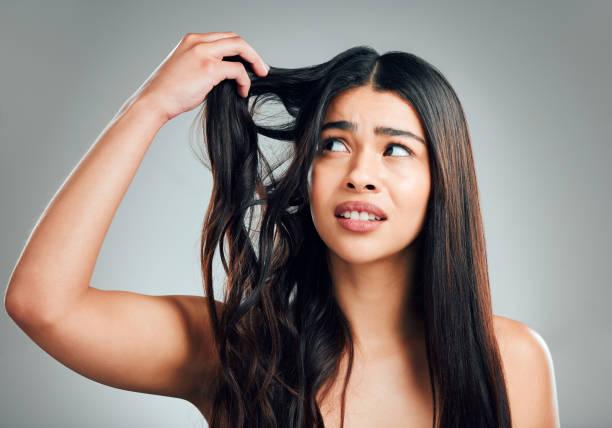
If you are undergoing a professional Hair Loss Treatment in Riyadh, you might be focusing on medications, serums, or clinical procedures. Hair Loss Treatment in Riyadh However, one of the most powerful tools to support your results is often overlooked: your diet. Your hair is made primarily of keratin, a protein that requires a steady supply of nutrients to grow and remain strong . Without the right building blocks, even the best treatments can struggle to deliver their full potential.
The Key Nutrients for Hair Regrowth
Protein: The Building Block of Hair
Hair is almost entirely protein, making adequate intake non-negotiable. When you don't eat enough protein, your body prioritises vital organs over hair, pushing follicles into a resting phase and increasing shedding . For optimal hair health, experts recommend consuming 1.2 to 2.0 grams of protein per kilogram of body weight daily .
Top Protein Sources for Hair:
-
Eggs (also rich in biotin)
-
Fatty fish like salmon and mackerel
-
Chicken and lean meats
-
Greek yogurt
-
Lentils and legumes for plant-based options
Iron: The Oxygen Carrier
Iron deficiency is one of the most common nutritional causes of hair loss . Iron is stored in keratin, and when levels drop, the body scavenges it from hair follicles, leading to shedding . For women considering hair fall treatment in saudi arabia, addressing iron levels is often a critical step.
Iron-Rich Foods:
-
Spinach and leafy greens (1 cup of cooked spinach provides 6 mg of iron)
-
Lentils and kidney beans
-
Red meat
-
Cashews
Absorption Tip: Pair iron-rich foods with vitamin C sources like citrus fruits or bell peppers to enhance absorption .
Zinc: The Growth Regulator
Zinc plays a vital role in hair follicle health and tissue repair . Studies have linked low zinc levels to male pattern baldness, as the mineral may help regulate DHT, a hormone involved in hair loss .
Zinc Sources:
-
Pumpkin seeds
-
Oysters and shellfish
-
Beef and chicken
-
Chickpeas
Vitamin D: The Follicle Activator
Vitamin D helps regulate the hair growth cycle. Low levels have been correlated with greater severity of hair loss conditions, including alopecia areata and male pattern baldness . While sun exposure is the primary source, dietary options include fatty fish and fortified foods .
Foods to Limit
Just as important as what to eat is what to avoid. High intake of sugar-sweetened beverages (more than 3.5 litres per week) has been linked to male pattern hair loss, and alcohol consumption is associated with greater hair loss and earlier greying . Crash diets and rapid weight loss can also shock the hair growth cycle, leading to temporary shedding (telogen effluvium) .
Practical Meal Ideas
Breakfast: Greek yogurt with berries and a sprinkle of pumpkin seeds .
Lunch: Grilled chicken salad with spinach, lentils, and a citrus vinaigrette .
Dinner: Baked salmon with quinoa and steamed broccoli .
Snack: A handful of almonds or a hard-boiled egg .
For those seeking expert guidance and customized care, you can book an appointment consultation at the Enfield Royal Clinic.
Frequently Asked Questions
Can changing my diet reverse hair loss?
A nutrient-rich diet supports regrowth, especially if deficiencies are the cause. However, genetic hair loss requires medical treatment alongside dietary changes .
How long does it take to see results from dietary changes?
Hair grows slowly. You may notice improved texture and reduced shedding within 3–6 months of consistent dietary improvements .
Is biotin supplementation necessary for hair growth?
Biotin deficiency is rare. Unless you have a confirmed deficiency, supplements are unlikely to help .
What deficiencies cause the most hair loss?
Iron, vitamin D, zinc, and protein deficiencies are the most commonly linked to hair loss .
Do I need to cut out all sugar and alcohol for hair health?
Limiting sugary drinks and alcohol supports overall health and may reduce inflammation that can affect hair follicles .

 English
 Arabic
 French
 Spanish
 Portuguese
 Deutsch
 Turkish
 Dutch
Dutch
 Italiano
 Russian
 Portuguese (Brazil)
 Greek
Greek