


Mastering Modern Power Transmission with Aluminum Conductor Steel Reinforced
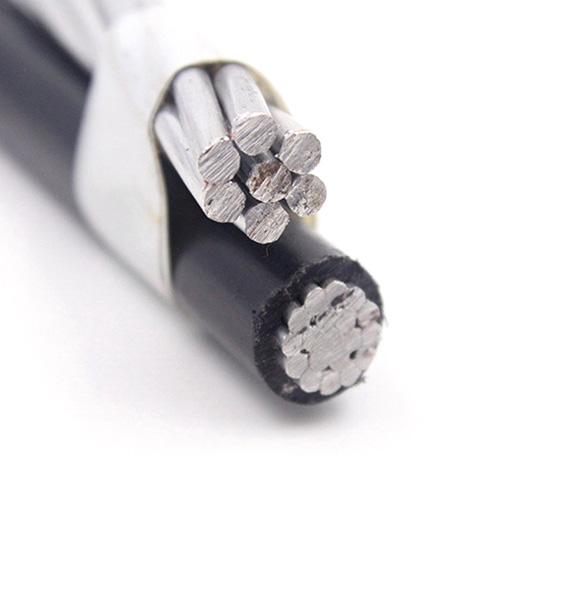
The engineering landscape of global electrical infrastructure relies heavily upon specialized materials designed to withstand immense physical strain while simultaneously facilitating efficient electrical energy transfer across vast geographic expanses. Modern grids face the daunting challenge of bridging long distances between generation facilities and urban centers, requiring transmission media that do not buckle under their own weight or succumb to extreme weather fluctuations. Within this context, the strategic deployment of composite stranded overhead lines serves as the backbone for regional, national, and international power distribution networks. Utility operators and grid architects continuously look for solutions that seamlessly marry high electrical conductivity with exceptional structural integrity, ensuring that electrical current flows uninterrupted through varied topography, dense vegetation corridors, and challenging climatic zones without suffering from premature mechanical fatigue or catastrophic failure.
At the heart of this technological framework lies the sophisticated design philosophy of Aluminum Conductor Steel Reinforced. By ingeniously combining two distinct metallurgical properties into a single composite cable, engineers have created a transmission standard that has dominated power systems for decades. The outer strata of these high-capacity lines consist of high-purity, hard-drawn aluminum wires. Aluminum is universally prized in the electrical sector due to its remarkable weight-to-conductivity ratio, excellent corrosion resistance under typical atmospheric conditions, and economical production costs relative to copper. However, aluminum alone lacks the necessary tensile strength to span the large gaps typically required between transmission towers and support pylons. To remedy this physical limitation, the innermost portion of the cable incorporates a high-strength galvanized steel core. This steel spine bears the brunt of the mechanical tension, wind loading, and ice accumulation, allowing the surrounding aluminum layers to dedicate their cross-sectional area primarily to the frictionless passage of electrical currents.
The manufacturing process governing Aluminum Conductor Steel Reinforced cables requires extreme precision and adherence to strict international guidelines. High-carbon steel wire undergoes rigorous galvanization treatments, often utilizing hot-dip zinc or specialized alloy coatings to shield the core from moisture and subsequent oxidation. Surrounding this protected core, multiple layers of trapezoidal or round aluminum wires are concentrically stranded in alternating lays to neutralize rotational forces and enhance overall structural stability during installation and dynamic operation. For projects traversing highly corrosive environments, such as coastal regions or heavy industrial belts, specialized manufacturing protocols allow for the integration of high-grade neutral greases or corrosion-inhibiting compounds injected directly into the core interstices. This meticulous attention to structural composition ensures that the physical integrity of the entire line remains uncompromised over decades of continuous exposure to ultra-violet radiation, extreme thermal expansion cycles, and severe mechanical oscillations caused by passing gales.
Electrical performance within contemporary power distribution grids depends heavily upon minimizing line losses and maximizing ampacity ratings under variable ambient temperatures. Aluminum Conductor Steel Reinforced setups excel in this arena by providing a larger overall conductor diameter relative to solid copper alternatives of comparable weight. This increased surface area plays a pivotal role in mitigating the corona effect—a luminous, energy-wasting discharge that occurs when high-voltage electric fields ionize the surrounding air. By suppressing corona discharge and reducing high-frequency skin-effect anomalies, these composite lines preserve valuable megawatt-hours that would otherwise dissipate as heat and acoustic noise into the atmosphere. Furthermore, the specific thermal coefficient matching between the aluminum strands and the central steel core ensures that the line retains its geometric stability even when operating near its maximum continuous thermal thresholds, preventing hazardous sag conditions that could lead to dangerous contact with trees or ground structures.
The physical dynamics of overhead line routing dictate that support structures must be spaced as far apart as economically and topographically feasible to minimize infrastructure construction expenses. Long spans across deep valleys, wide rivers, and rugged mountainous terrain demand a transmission medium that exhibits minimal inelastic elongation under sustained physical loads. Because the steel core possesses a much lower elastic and thermal deformation rate than aluminum, Aluminum Conductor Steel Reinforced assemblies maintain strict catenary control over extended distances. This remarkable tensile strength permits utility companies to erect fewer pylons per kilometer, directly translating into reduced capital expenditure, shorter project completion timelines, and minimized environmental disruption across ecologically sensitive land corridors.
Grid modernization initiatives across the globe increasingly emphasize the integration of smart-grid technologies, renewable energy integration, and higher voltage classes to accommodate shifting power generation dynamics. Large-scale solar farms and offshore wind installations frequently generate massive surges of electricity in remote locations that must be evacuated safely to metropolitan load centers. Aluminum Conductor Steel Reinforced lines provide a reliable, field-tested medium capable of handling these high-voltage and extra-high-voltage transmission requirements without demanding radical redesigns of existing structural support networks. Their adaptability across various configuration metrics—ranging from standard single-core steel designs to complex multi-layer configurations—makes them uniquely suited for retrofitting legacy grid infrastructure to support rising societal energy demands.
Quality assurance and adherence to standardized testing protocols remain paramount for engineers specifying heavy-duty transmission materials. Compliance with globally recognized benchmarks—such as international electrotechnical standards and regional structural codes—ensures that every batch of Aluminum Conductor Steel Reinforced cable delivers predictable mechanical elongation, electrical resistance, and breaking load thresholds. Routine laboratory evaluations, including stress-strain testing, torsion verification of the steel core, and conductivity measurements of the aluminum outer layers, guarantee that grid operators receive products capable of enduring the harshest environmental extremes over a multi-decade operational lifecycle. This rigorous commitment to manufacturing excellence safeguards multi-million-dollar utility investments and underpins the stability of modern civil infrastructure.
Final Thoughts
The sustained reliability of global electrical transmission networks depends fundamentally on the continuous evolution of heavy-duty materials capable of withstanding severe mechanical stresses while optimizing electrical throughput. Through the harmonious blending of conductive aluminum and high-tensile steel, Aluminum Conductor Steel Reinforced infrastructure continues to serve as an indispensable asset for modern power engineering. As electrical grids expand to meet future energy demands, the strategic implementation of these robust composite lines remains a cornerstone for efficient, safe, and resilient power distribution worldwide.

 English
 French
 Spanish
 Portuguese
 Deutsch
 Turkish
 Dutch
Dutch
 Italiano
 Russian
 Romaian
 Portuguese (Brazil)
 Greek
Greek