


What Is the Best Natural Preservative for Bread and How Does It Work?
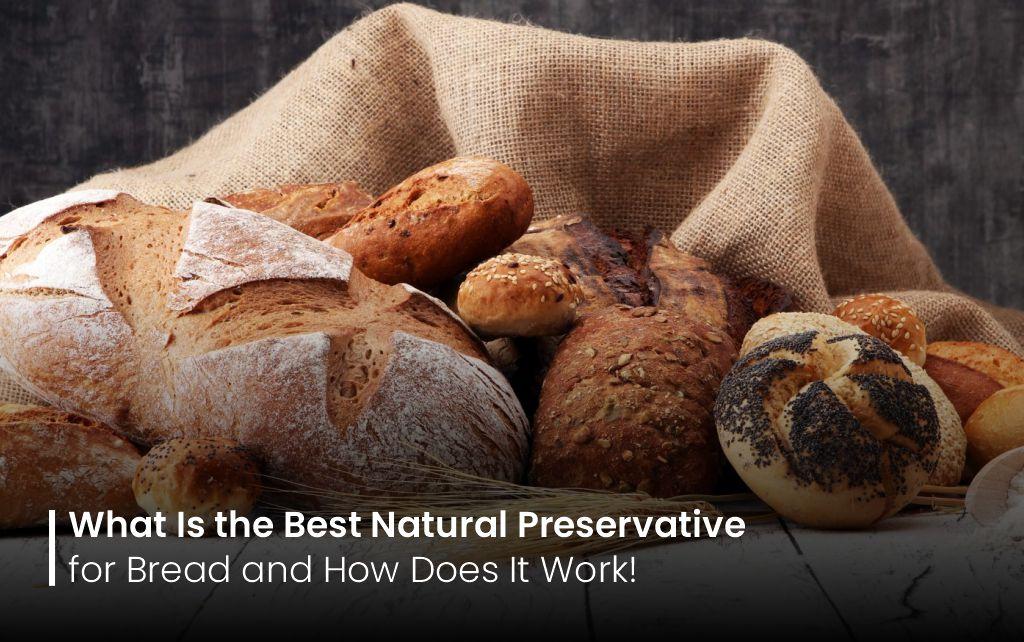
Bread is a staple food consumed worldwide, but it also has a relatively short shelf life compared to many processed foods. Because bread contains moisture, carbohydrates, and nutrients that support microbial growth, it is highly susceptible to mold and staling. For bakeries and food manufacturers, maintaining freshness while ensuring product safety is a constant challenge.
As consumer demand for clean-label foods grows, many bakeries are exploring natural preservation methods instead of relying solely on synthetic additives. Understanding what is the best natural preservative for bread and how it works is important for both commercial bakeries and small-scale producers seeking to extend shelf life without compromising quality.
This article explores natural preservation solutions used in bread, how they work, and the role of functional ingredients in improving bakery product stability.
Why Bread Spoils Quickly
Bread spoilage occurs primarily due to mold growth and staling. Mold spores are naturally present in the environment and can easily contaminate bread during cooling, slicing, or packaging. When moisture and nutrients are available, these spores multiply quickly.
Another common issue is staling, which occurs when starch molecules in bread recrystallize over time. This process causes bread to become dry and firm, even when mold has not yet developed.
Because of these factors, preservation strategies are essential in bakery production.
What Is a Natural Preservative for Bread?
A natural preservative is an ingredient derived from natural sources that helps prevent or slow microbial growth in food. These preservatives work by creating conditions that make it difficult for mold and bacteria to grow.
Natural preservatives may function by:
-
Inhibiting microbial activity
-
Lowering the pH of the product
-
Reducing water activity
-
Disrupting fungal cell membranes
These mechanisms help extend the shelf life of bread while maintaining product quality.
Natamycin: A Natural Mold Inhibitor Used in Bread
One of the most effective natural preservatives used in bakery products is natamycin powder. Natamycin is a naturally occurring antifungal compound produced through microbial fermentation.
It is commonly applied to the surface of baked goods to prevent mold growth. Natamycin works by disrupting fungal cell membranes, preventing mold from developing on bread during storage.
Because it specifically targets fungi and has minimal impact on flavor, natamycin has become widely used in commercial bakery applications where mold control is essential.
Industry discussions within ingredient supply networks, including those highlighted by Food Ingredient Australia, often reference natamycin as a practical preservation solution for bakery products requiring extended shelf life.
Vinegar and Fermented Ingredients
Another widely used natural preservative for bread is vinegar. Vinegar contains acetic acid, which lowers the pH of the bread and creates an environment that slows the growth of mold and bacteria.
In modern bakery formulations, vinegar may be used directly in dough or incorporated through fermented ingredients such as cultured wheat flour. These ingredients produce organic acids during fermentation that help inhibit microbial growth.
Because vinegar-based preservation aligns well with clean-label trends, it is frequently used in artisan breads and natural bakery products.
Fermentation and Sourdough Preservation
Traditional sourdough fermentation is one of the oldest natural preservation methods in baking. During sourdough fermentation, lactic acid bacteria produce organic acids that naturally inhibit mold growth.
These acids not only improve shelf life but also enhance flavor and texture. As a result, sourdough bread often remains fresh longer than conventional yeast bread.
Fermentation-based preservation is widely used by bakeries that focus on natural production methods and traditional baking techniques.
Natural Enzymes for Bread Freshness
Enzymes are commonly used in bakery formulations to improve freshness and slow the staling process. Although enzymes do not directly prevent mold growth, they help maintain bread softness by slowing starch retrogradation.
By maintaining crumb structure and moisture retention, enzymes contribute to longer-lasting bread quality.
This approach is widely used in modern bakery production, particularly for packaged bread products that require longer shelf life.
Other Functional Ingredients Used in Bread Production
Beyond preservatives, several functional ingredients are commonly used in bread formulations to improve nutritional value, sweetness, and texture. Ingredient suppliers such as Food Ingredient Australia provide a range of specialty ingredients used across bakery applications.
For example, ingredients like trehalose food powder help maintain moisture and improve the softness of baked products. Trehalose acts as a stabilizing sugar that slows moisture loss and helps bread remain fresh for longer periods.
Dietary fiber ingredients such as polydextrose food powder, gos polydextrose powder, and gos soluble fibre powder are often used to increase fiber content while maintaining desirable texture in bread products.
Prebiotic ingredients like xylooligosaccharides (xos) powder, xylooligosaccharide bulk powder, and galacto oligosaccharides powder are also increasingly incorporated into functional bakery products. These ingredients support digestive health while contributing mild sweetness and stability in baked goods.
Another commonly used ingredient is resistant dextrin food powder, which acts as a soluble fiber that improves nutritional value and supports digestive health.
Sweeteners Used in Reduced-Sugar Bread
As the demand for reduced-sugar foods increases, many bakeries are incorporating alternative sweeteners into bread formulations.
Ingredients such as erythritol food powder, maltitol food powder, and xylitol food powder are commonly used to replace sugar while maintaining sweetness and texture.
Natural sweeteners like monk fruit extract powder and bulk stevia powder are also used in certain bakery products where sugar reduction is required.
These ingredients allow manufacturers to produce bread products with lower sugar content while maintaining taste and product stability.
Fiber-Enriched Bread Ingredients
Modern bakery products increasingly focus on improving nutritional value, particularly through fiber enrichment.
Ingredients such as inulin food powder, organic inulin powder, and products sourced from a supplier of inulin powder are widely used to increase dietary fiber content in bread.
Inulin helps improve texture, moisture retention, and mouthfeel in baked products while contributing to gut health benefits.
Another functional ingredient used in health-focused bakery products is yeast beta glucan powder, which is known for its immune-supporting and nutritional properties.
Frequently Asked Questions
Q. What is the best natural preservative for bread?
One of the most effective natural preservatives used in bread production is natamycin powder, which prevents mold growth on the surface of baked products. Vinegar and fermentation-based ingredients are also commonly used natural preservation solutions.
Q. How does natamycin work in bread?
Natamycin works by disrupting fungal cell membranes, which prevents mold from growing on bread during storage. It is commonly applied to the surface of baked goods to extend shelf life.
Q. Are there other natural ways to preserve bread?
Yes. Natural preservation methods include vinegar, sourdough fermentation, organic acids, and improved packaging methods. These techniques help slow microbial growth and extend bread freshness.
Q. What ingredients help keep bread fresh longer?
Ingredients such as trehalose food powder, polydextrose food powder, and inulin food powder help maintain moisture and improve texture, which contributes to longer-lasting bread quality.
Q. Why do bakeries use functional ingredients in bread?
Functional ingredients help improve nutritional value, texture, sweetness, and shelf stability. They allow bakeries to develop products that meet modern consumer expectations for health, taste, and quality.
Conclusion
Understanding what is the best natural preservative for bread and how it works is important for bakeries aiming to maintain freshness and product safety. Bread is highly susceptible to mold growth and staling, making effective preservation strategies essential in both commercial and artisan baking.
Natural preservatives such as natamycin powder, vinegar, and fermentation-based ingredients help inhibit microbial growth and extend shelf life. At the same time, functional ingredients like trehalose food powder, polydextrose food powder, and inulin food powder contribute to improved texture, nutritional value, and overall product stability.
As the bakery industry continues to evolve, ingredient suppliers and organizations such as Food Ingredient Australia highlight the importance of combining preservation strategies with functional ingredients to create high-quality bakery products that meet modern consumer expectations for freshness, nutrition, and clean-label formulations.

 English
 French
 Spanish
 Portuguese
 Deutsch
 Turkish
 Dutch
Dutch
 Italiano
 Russian
 Romaian
 Portuguese (Brazil)
 Greek
Greek