


What to Do When Your Washer Stops Mid-Cycle
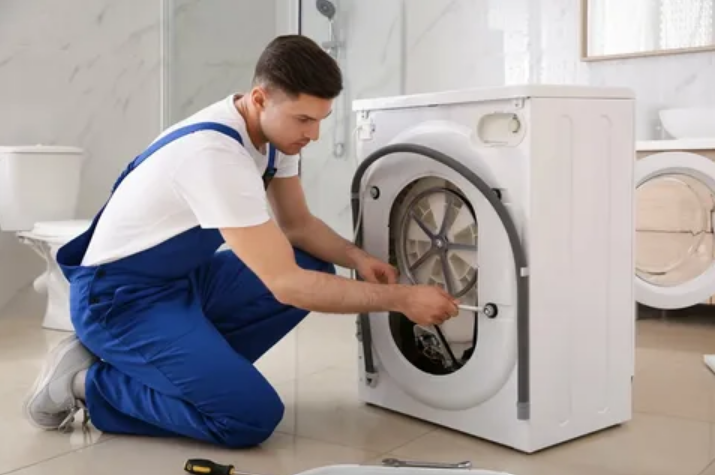
Finding your washing machine full of soapy water and completely motionless is a frustrating experience. Whether it happened during the wash, rinse, or spin stage, a mid-cycle stall usually signals an underlying issue that needs immediate attention. What You Should Know is that while some causes are simple DIY fixes, others require professional expertise to prevent further damage to your appliance.
If you are dealing with a breakdown and need expert assistance, searching for washer repair in Pompano Beach, FL, is your best bet for getting your laundry room back in order. Residents in the area often rely on Pozharko Appliance Repair to diagnose and fix these issues quickly and efficiently.
Common Reasons Your Washer Stops Mid-Cycle
Understanding why your machine quit is the first step toward a solution. Here are the most frequent culprits behind a mid-cycle stoppage:
1. Power Supply Issues
It sounds obvious, but a sudden loss of power is a common reason for a mid-cycle halt. A tripped circuit breaker or a loose power cord can shut the machine down instantly. Check your electrical panel and ensure the plug is securely seated in the outlet.
2. Lid Switch or Door Latch Failure
For safety reasons, most washers are designed to stop immediately if the lid or door is opened. If the lid switch (in top-loaders) or the door latch (in front-loaders) is faulty, the machine will "think" the door is open and refuse to continue. This is a very common reason to seek washer repair in Pompano Beach, FL, as these plastic components often wear out or break over time.
3. Drainage Obstructions
If your washer stops right before the spin cycle, it’s likely a drainage issue. If the water cannot leave the drum, the machine won't spin to avoid a messy overflow. Common blockages include:
- Kinked or pinched drain hoses.
- Clogged drain filters (often found behind a small panel at the bottom of front-loaders).
- Small items like coins or socks are stuck in the pump.
Troubleshooting Steps You Can Take Now
Before calling in the pros, there are a few things you can try to get the cycle moving again.
Reset the Machine
Sometimes, a simple electronic glitch is to blame. Try "power cycling" the appliance. Unplug the washer from the wall, wait about five to ten minutes, and then plug it back in. This can reset the control board and may allow you to restart the cycle from the beginning.
Check the Load Balance
An "unbalanced load" is a major cause of mid-cycle pauses, especially during the spin phase. If you are washing a single heavy item (like a rug or a heavy duvet), it can shift to one side, causing the drum to vibrate excessively. The machine’s sensors will stop the cycle to prevent physical damage. Open the lid, redistribute the clothes evenly, and try to resume.
Inspect the Water Inlet Valves
If your washer stops specifically during the "rinse" phase, it might be struggling to pull in fresh water. Ensure the cold and hot water faucets behind the machine are fully open and that the inlet hoses aren't kinked.
When to Call a Professional
While clearing a clogged filter or redistributing a load is easy, internal mechanical failures require a steady hand and specialized tools. If you’ve checked the basics and the machine still won't budge, it’s time to look for local appliance technicians.
Faulty Timer or Control Board
The "brain" of your washer is the control board. If it fails to send a signal to the next part of the cycle, the machine will simply sit idle. Replacing a control board or a mechanical timer is a delicate job that requires the right parts and electrical knowledge.
Motor or Drive Belt Issues
In many top-loading machines, a broken drive belt or a malfunctioning motor will cause the machine to stop after the water fills. You might hear a humming sound, but no movement. Professional appliance repair services can quickly determine if the belt needs replacing or if the motor has reached the end of its lifespan.
Preventing Future Mid-Cycle Stalls
Maintenance is the key to longevity. To avoid the headache of a stalled washer, consider the following tips:
- Don't Overload: Filling the drum to the brim puts immense strain on the motor and drive belt.
- Use the Right Detergent: Excessive suds from non-HE detergent can confuse sensors in modern high-efficiency machines, leading to "SUD" errors and cycle stops.
- Clean the Filter Regularly: Make it a habit to check the drain pump filter every few months to remove lint and debris.
Reliable Local Service
If you are currently staring at a drum full of water, don't let it sit too long, as this can lead to mold and unpleasant odors. When DIY troubleshooting doesn't do the trick, reaching out for expert washer diagnostics is the most cost-effective way to save your appliance.
At Pozharko Appliance Repair, we understand how a broken washer can disrupt your entire week. Our team specializes in diagnosing complex electronic and mechanical issues, ensuring your machine is back to peak performance in no time. Whether it's a front-loader, top-loader, or a stackable unit, we have the experience to handle it.

 English
 Arabic
 French
 Spanish
 Portuguese
 Deutsch
 Turkish
 Dutch
Dutch
 Russian
 Romaian
 Portuguese (Brazil)
 Greek
Greek