


Professional Fire Door Inspections London for Residential, Commercial & Managed Properties
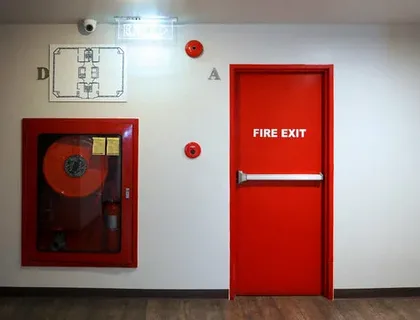
Fire doors can look perfectly acceptable during everyday use while still having defects that affect how they are expected to perform. A closer may no longer shut the door fully, seals may be damaged, hinges may have loosened, or gaps may have changed over time. None of these issues always stand out to someone passing through the building.
That is why professional Fire door inspections London services are commonly used by landlords, managing agents, freeholders and commercial property operators. An inspection provides a structured way to assess each door, record visible defects and decide whether maintenance, repair or replacement should follow.
For larger buildings, the value is often in the detail. Instead of treating every fire door as part of one general checklist, inspectors can record the condition of individual doors, making it easier for property managers to prioritise work and keep maintenance records organised.
What a Fire Door Inspection Usually Covers
A professional inspection looks beyond the surface finish of the door. The door leaf, frame, seals, ironmongery and closing action all need attention.
Typical checks may include:
-
Condition of the fire door leaf
-
Condition of the frame
-
Gaps at the sides and head
-
Threshold gap
-
Intumescent strips
-
Smoke seals where required
-
Hinges and fixings
-
Self-closing device
-
Locks and latches
-
Handles and other ironmongery
-
Fire-rated glazing where present
-
Letterplates or viewers where fitted
-
Signage where applicable
-
Signs of physical damage or alteration
Operational checks matter as much as visual ones. A door may appear undamaged but still fail to close fully into the frame when released.
That kind of defect can easily be missed without testing the door in use.
Why Regular Inspections Matter
Fire doors are subject to wear. In occupied residential blocks, communal doors can open and close throughout the day. In commercial buildings, heavily used corridor or staircase doors may experience even greater traffic.
Over time, hinges can loosen, closers can lose adjustment and seals can become torn or detached.
Refurbishment work can create problems too. A contractor may replace hardware without checking whether it is suitable for the fire door, or decorators may paint over smoke seals.
A periodic inspection can identify these changes before they remain unnoticed for years.
For property managers, this also helps create a clearer maintenance history. Instead of waiting for defects to appear during a wider Fire Risk Assessment, each door can be reviewed as a separate safety item.
Common Findings During Fire Door Inspections
Not every failed inspection means the door needs replacement. Some findings can be addressed with maintenance or suitable fire door repair.
| Inspection Finding | Possible Concern | Typical Follow-Up |
|---|---|---|
| Door does not self-close fully | Door may remain partly open | Adjust or repair suitable closing device |
| Damaged smoke or intumescent seals | Fire or smoke control may be affected | Replace with compatible seals |
| Loose hinges | Door alignment may change | Repair fixings or replace suitable hinges |
| Excessive gaps | Door may not perform as intended | Assess for appropriate remedial work |
| Door leaf damage | Fire performance may be affected | Repair assessment or replacement |
| Damaged glazing | Glazed section may no longer be suitable | Specialist assessment and replacement where needed |
| Faulty latch | Door may not remain properly closed | Adjustment or suitable replacement |
| Unclear door specification | Existing fire performance cannot be easily confirmed | Further investigation or replacement consideration |
The exact recommendation should depend on the door, available evidence and the type of defect found.
Fire Door Inspections in Residential Blocks
Residential blocks often contain several categories of fire doors.
Flat entrance doors may separate individual dwellings from communal corridors or stairways. Other fire doors can be found in communal hallways, service cupboards, storage areas and plant spaces.
Each location may present different issues.
Flat entrance doors can be altered by occupants over time. New locks, viewers or other hardware may be installed without consideration of the original fire door arrangement.
Communal doors, meanwhile, can suffer high levels of daily use and may be propped open or damaged during deliveries and furniture moves.
Fire door inspections London property managers arrange can help identify these issues across the building rather than relying on residents or staff to report every defect.
Fire Door Inspections for Commercial Properties
Commercial premises can contain dozens or even hundreds of fire doors.
Offices, hotels, warehouses, healthcare premises, restaurants and retail buildings all create different conditions for door use.
A door serving a busy hotel corridor experiences very different wear from a rarely used plant-room door. Inspection programmes can account for those differences while still checking the same core items.
Commercial properties may also use access-control systems, automatic hold-open devices or other hardware connected to fire safety arrangements.
Inspectors should consider whether this equipment interferes with the door's ability to close when required.
Where commercial fire door installation has taken place recently, inspection records can also provide a useful reference for future maintenance.
Inspections for Managed Property Portfolios
Managed property portfolios benefit from consistent door identification.
A building containing 50 doors can become difficult to manage if reports refer to locations only as "first-floor corridor door" or "door near stairs."
Assigning a unique reference to every fire door makes the records much clearer.
A door register can include:
-
Door number
-
Building and floor
-
Exact location
-
Inspection date
-
Condition
-
Defects identified
-
Repair recommendation
-
Date remedials were completed
-
Replacement details where applicable
This makes it easier to track repeat issues.
If the same door needs closer adjustment several times within a short period, for example, the maintenance history may show that a more substantial repair should be considered.
When Fire Door Maintenance Is Enough
Some inspection findings are relatively straightforward.
A closer may simply need adjustment, a compatible seal may need replacement, or suitable hinge work may restore the door to correct operation.
Fire door maintenance London services are appropriate where the existing door remains suitable and the identified defect can be corrected without compromising the door.
Routine maintenance can also reduce the chance of small defects becoming larger ones.
A slightly loose hinge may eventually allow the door to drop. A damaged seal can deteriorate further. A closer that is becoming weak may eventually stop shutting the door fully.
Dealing with these issues early can make property management less disruptive.
When Fire Door Repairs Are Required
Fire door repairs can involve more substantial remedial work than routine adjustment.
Fire door repairs London property managers arrange may include suitable work to gaps, frames, hinges, closers, seals and compatible ironmongery.
The important point is that repairs should be appropriate for the specific door.
Fire door repairs UK contractors complete shouldn't rely on general joinery methods without considering the door's fire-resisting properties.
If the required repair would substantially alter the door or there is uncertainty about the original construction, further assessment may be appropriate before work begins.
When Replacement May Be the Better Choice
Inspections sometimes find doors where ongoing repair is no longer sensible.
Major leaf damage, substantial frame deterioration, unsuitable construction or extensive previous alterations may make replacement more appropriate.
In those situations, professional fire door installation London services may be required.
Fitting a fire door can involve the door leaf, frame, seals, hinges, self-closing device, compatible ironmongery and surrounding installation details.
A site assessment is often useful before materials are ordered because dimensions and existing opening conditions need to be checked.
The fire door installation cost UK property owners face will vary according to specification, size, glazing, hardware and site conditions.
Inspecting Gaps Around Fire Doors
Door gaps are among the most frequently discussed inspection items.
A door needs enough clearance to operate freely, but gaps shouldn't simply be judged by eye or treated with one standard repair in every situation.
Inspectors should consider the relevant door evidence, manufacturer's information and the actual location of the gap.
The threshold is particularly worth checking because floor finishes can change over time. New carpet, laminate or other flooring can affect the clearance below the door.
Conversely, removing floor finishes can increase a previously acceptable threshold gap.
Any remedial recommendation should reflect the specific door rather than applying a generic solution.
Checking Self-Closing Devices
Where a fire door is required to self-close, the closer should be tested rather than merely looked at.
The door should return to its closed position without someone pushing it shut.
Problems can arise when the closer is weak, poorly adjusted or competing against a stiff latch. Building movement can also affect how easily the door reaches its final position.
A door that nearly closes isn't the same as one that closes correctly.
Inspectors can record this as a defect so that adjustment or repair can be arranged.
Fire Door Installation Certificate UK Records
Documentation helps inspectors understand the history of a door.
Where new doors have been fitted, a fire door installation certificate UK property managers retain may support future record keeping, depending on the contractor, product and certification arrangements.
Other useful records can include product information, installation photographs, maintenance reports and previous inspection results.
When these documents are linked to individual door numbers, future inspections become easier to compare.
A property manager can see whether a defect is new, recurring or related to previous repair work.
How Often Should Fire Doors Be Checked?
Inspection frequency depends on the building, door location, level of use and applicable responsibilities.
Doors in heavily used areas may need closer attention than those in low-traffic locations.
Property managers can also carry out simple observations between professional inspections. Staff or residents can report obvious defects such as a door not closing, damaged seals or visible impact damage.
This doesn't replace a structured professional inspection, but it can help identify problems sooner.
The important point is that fire doors shouldn't be fitted and then ignored until the next major building project.
Searching for Fire Door Inspections Near Me
A search for Fire door inspections near me will usually produce a range of local contractors and fire safety providers.
Property managers should compare more than availability.
They can ask what the inspection covers, whether each door receives an individual record, what kind of report is supplied and whether the contractor also provides suitable repair or maintenance work.
For larger properties, consistency is particularly useful.
If the same provider can inspect, record and complete follow-up repairs where appropriate, the process may be easier to manage.
Property owners searching for fire door installers near me or fire door installation near me may also need inspection first, especially where it isn't clear whether existing doors can be repaired.
Turning Inspection Results Into a Work Plan
A good inspection report should help property managers decide what happens next.
For example, a 40-door residential block might produce findings such as:
-
24 doors with no immediate remedial action
-
9 doors requiring routine maintenance
-
5 doors needing more substantial fire door repairs
-
2 doors where replacement should be considered
This provides a far clearer basis for budgeting than treating all 40 doors as defective.
Urgent work can be separated from lower-priority maintenance, and replacement can be reserved for doors where repair isn't suitable.
For managing agents responsible for multiple sites, this structured process also helps prevent individual defects from being forgotten.
Choosing a Fire Door Inspection Provider in London
A professional provider should clearly explain what is inspected and how findings are reported.
Reports should help the property owner understand which door is affected, what defect has been identified and what action is recommended.
Liviosiv is one provider offering Fire door inspections London services for residential blocks, landlords, commercial premises and managed properties. They also provide fire door maintenance, fire door repairs and fire door installation where follow-up work is needed.
Having access to inspection and remedial services through the same provider can be useful for property managers who need to move from identifying defects to completing works without losing track of individual doors.
Keeping Inspection Records Useful
The best fire door records are those that can still be understood months or years later.
Door numbers, photographs, dates and clear descriptions make a substantial difference. Vague notes such as "door repaired" provide little information when the next inspection takes place.
A more useful record states which door was affected, what defect was found and what work was completed.
This creates a practical history for each door and gives landlords, managing agents and businesses a better basis for planning future maintenance.
Contact Liviosiv
Landlords, freeholders, managing agents and businesses searching for Fire door inspections near me can contact Liviosiv to discuss single-door assessments or larger inspection programmes across London. They also provide related maintenance, repair and installation services where defects require follow-up work. Liviosiv can be contacted on
Company Name: Liviosiv
Address: 34 Ennismore Avenue, Greenford, England, UB6 0JN
Phone: +442046178121
Email: contact@liviosiv.co

 English
 Arabic
 Spanish
 Portuguese
 Deutsch
 Turkish
 Dutch
Dutch
 Italiano
 Russian
 Romaian
 Portuguese (Brazil)
 Greek
Greek