


Assembly Planning Software for Faster and More Organized Manufacturing
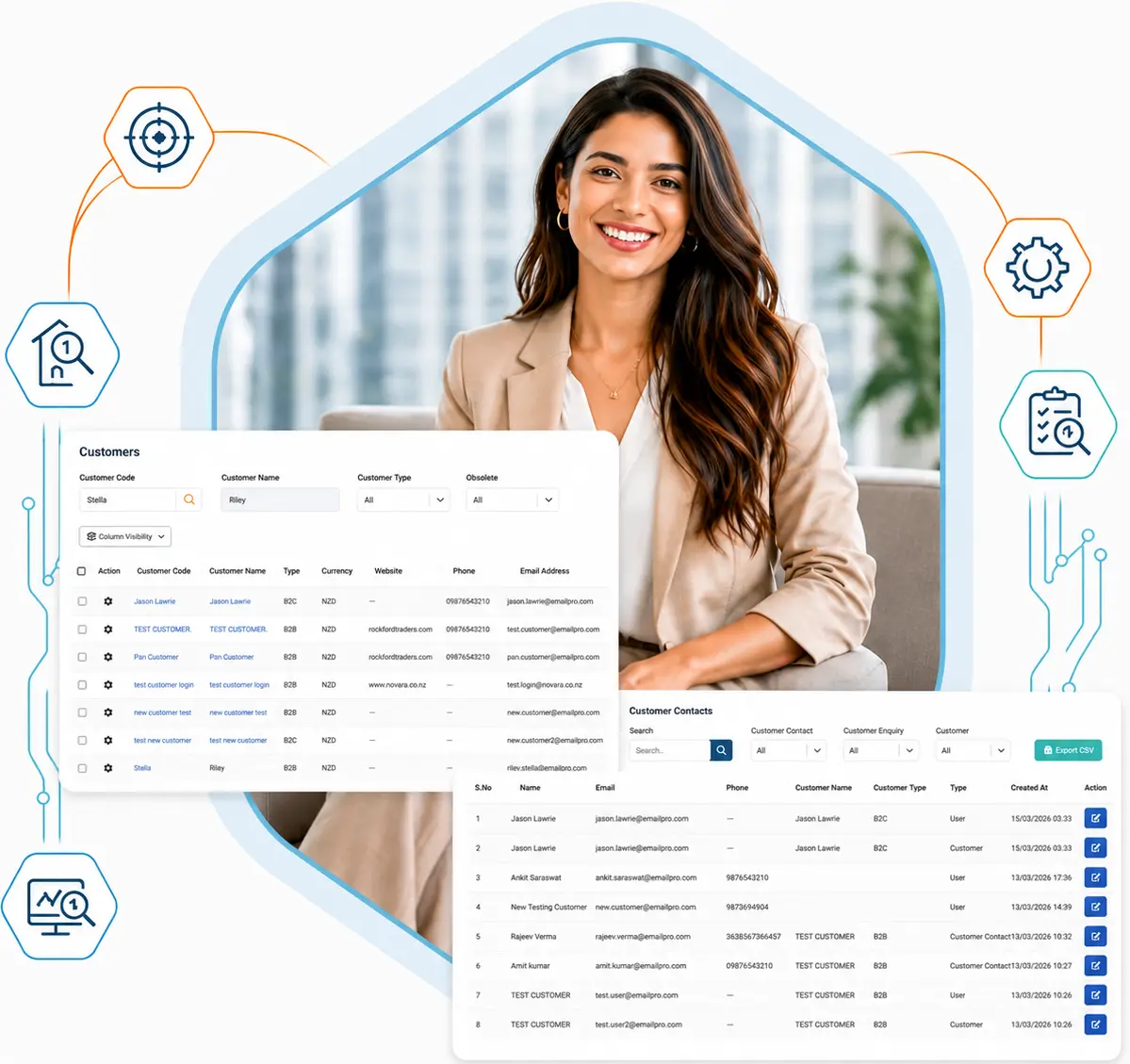
Modern manufacturing depends on more than machines, materials, and skilled workers. As product designs become more complex and customer expectations for faster delivery continue to rise, manufacturers need a structured way to plan, coordinate, and improve assembly operations. Assembly Planning Software helps businesses organize production processes digitally, connect engineering and manufacturing information, and identify potential issues before they disrupt the shop floor.
Research on modern assembly operations highlights the importance of factors such as cycle time, equipment availability, workforce coordination, quality, and material flow. A 2026 study focused on automotive manufacturing in the Pune region found that outdated tools, maintenance issues, product defects, and equipment breakdowns were among the major productivity barriers. This makes organized assembly planning increasingly important for manufacturers seeking consistent output.
What Is Assembly Planning Software?
Assembly Planning Software is a digital solution designed to help manufacturers plan, organize, simulate, and optimize assembly processes. Instead of depending heavily on spreadsheets, paper instructions, or disconnected information, manufacturers can create structured production plans and coordinate resources from a centralized system.
The software can support activities such as:
-
Creating and managing manufacturing bills of materials
-
Planning assembly sequences and operations
-
Assigning resources and workstations
-
Balancing workloads across assembly stations
-
Creating standardized work instructions
-
Monitoring operation times and cycle times
-
Identifying potential bottlenecks
-
Coordinating engineering and manufacturing changes
Modern assembly planning platforms can also support digital representations of production processes, allowing teams to evaluate assembly scenarios before implementing changes physically.
Why Organized Assembly Planning Matters
Assembly operations involve multiple interconnected activities. A delay in material availability can stop a workstation, while an inefficient sequence can increase waiting time and reduce throughput. Similarly, unclear work instructions may contribute to inconsistent production results.
A structured planning system provides greater visibility into how products move through the assembly process. Production managers can understand which resources are required, how operations are sequenced, and where capacity constraints may occur.
Production planning generally aims to align employees, equipment, materials, demand, and schedules so products can be manufactured efficiently and economically.
Key Benefits of Assembly Planning Software
1. Faster Production Planning
Manual planning can consume significant time, particularly when manufacturers manage multiple products, variants, workstations, and production orders. Digital planning tools help organize production information in a consistent format, making it easier to create and adjust assembly plans.
Some assembly planning technologies have reported potential reductions of up to 40% in manufacturing planning time, depending on the implementation and process environment.
2. Better Line Balancing
Uneven workloads can create bottlenecks at one workstation while other resources remain underutilized. Assembly Planning Software helps planners analyze operation times and distribute work more effectively.
Line-balancing capabilities can provide visibility into activities, operators, cycle times, and waiting periods, helping manufacturers make more informed decisions about workstation assignments.
3. Improved Material Coordination
An assembly plan is only effective when the required components are available at the right stage of production. Connecting assembly requirements with inventory and material information can reduce the risk of avoidable interruptions.
Manufacturers can use structured planning information to identify required components, coordinate material availability, and reduce unnecessary movement or waiting on the shop floor.
4. Standardized Work Instructions
Different operators may interpret manual instructions differently. Digital work instructions provide a consistent reference for performing assembly activities.
Modern systems can connect instructions with relevant parts, resources, visual references, and process information, giving shop-floor teams clearer guidance.
5. Reduced Production Errors
Planning processes digitally allows manufacturers to review assembly sequences and identify potential problems before production begins. This can be especially valuable when products contain many components or when frequent engineering changes are involved.
Keeping engineering and manufacturing information synchronized also helps reduce the risks associated with outdated process documentation.
How It Supports Faster Manufacturing
Speed does not simply mean producing more units in less time. Sustainable manufacturing speed comes from reducing unnecessary waiting, rework, inefficient movement, and scheduling conflicts.
Assembly Planning Software can help teams:
-
Identify bottlenecks before they affect production
-
Improve workstation utilization
-
Standardize repeatable processes
-
Coordinate labor and equipment requirements
-
Analyze cycle times
-
Improve material flow
-
Respond more efficiently to production changes
-
Maintain updated assembly information
Recent research also shows the potential of digital-twin-based simulations to improve manufacturing throughput, with one 2026 review reporting increases of up to 20% in studied applications. These results vary by manufacturing environment and should not be treated as a guaranteed software outcome.
Connecting Planning With Inventory and Production
Assembly planning becomes more valuable when it works alongside inventory, production, purchasing, and order information. Manufacturers need visibility not only into what needs to be assembled but also into whether the required components and resources are available.
An integrated approach can help businesses connect production requirements with inventory levels, purchasing activities, capacity, and customer demand. Advanced planning systems commonly consider material and capacity constraints when developing production schedules.
This connected approach can help reduce situations where production is scheduled but materials, labor, or equipment are unavailable.
Who Can Benefit From Assembly Planning Software?
Assembly Planning Software can be useful for manufacturers dealing with complex or repetitive assembly operations, including:
-
Automotive and auto-component manufacturers
-
Electronics manufacturers
-
Industrial equipment companies
-
Consumer goods manufacturers
-
Machinery and engineering businesses
-
Electrical product manufacturers
-
Furniture and modular product manufacturers
-
Businesses managing multiple assembly lines
It can be particularly valuable for growing manufacturers that have moved beyond simple spreadsheets and need better coordination between production planning, inventory, engineering, and shop-floor teams.
Build a More Organized Manufacturing Process With PlanIT
Manufacturing efficiency begins with a clear understanding of what needs to be produced, how it should be assembled, which resources are required, and when each activity should happen. Assembly Planning Software provides manufacturers with a structured digital approach to managing these requirements while improving visibility and process consistency.
For businesses looking to bring greater control to production planning, inventory coordination, assembly operations, and manufacturing workflows, PlanIT can help create a more organized and scalable approach to manufacturing management. The goal is not simply to automate planning but to make everyday production decisions clearer, faster, and easier to manage.
Contact PlanIT to explore solutions for smarter manufacturing and assembly planning.
-
Mobile: +91-9958474631
-
Email: sales@plan-it.pro

 English
 Arabic
 French
 Spanish
 Portuguese
 Deutsch
 Turkish
 Dutch
Dutch
 Italiano
 Russian
 Romaian
 Greek
Greek