


Building a Diamond Collection: Rings, Bracelets, and Necklaces That Work Together
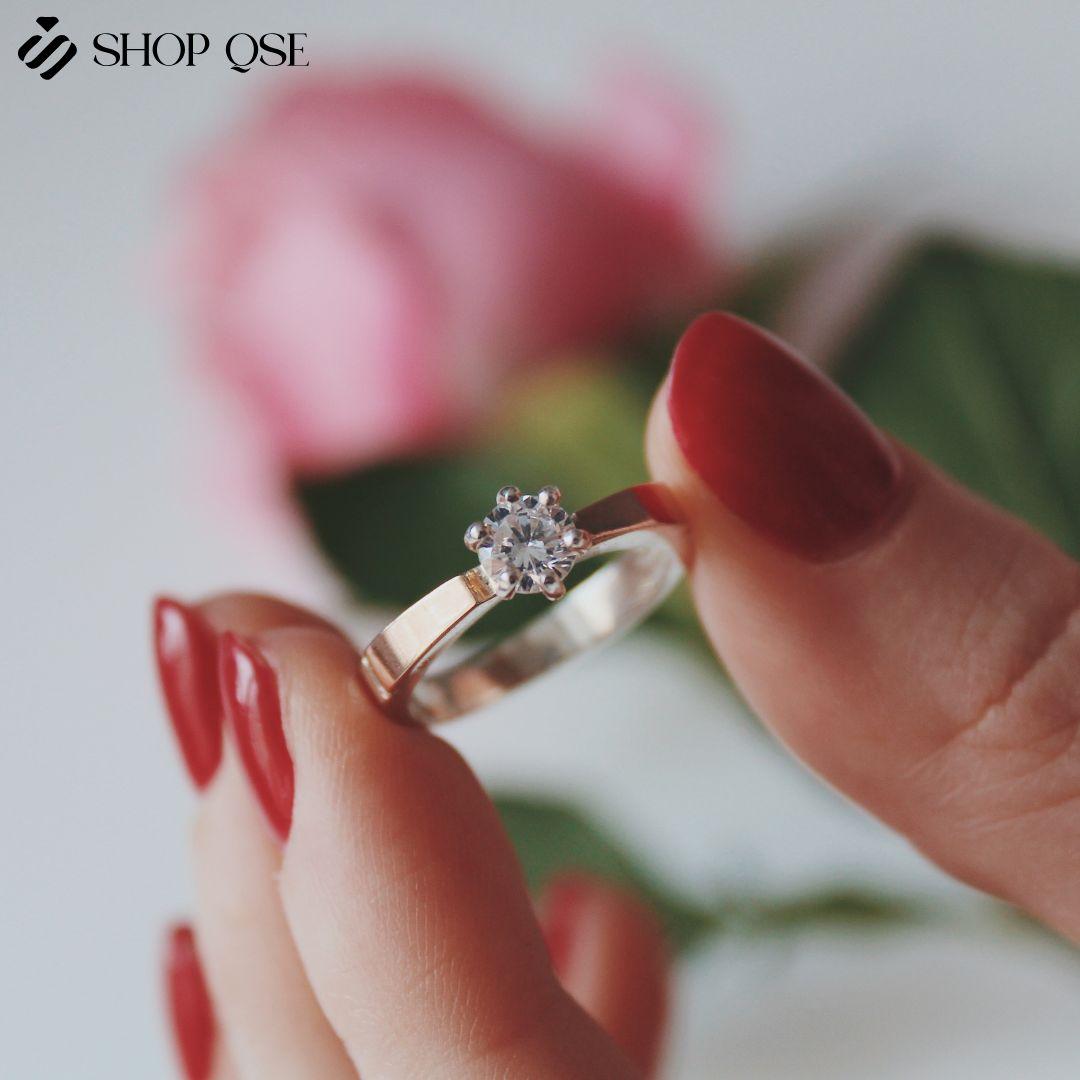
Most people don't buy diamond jewelry all at once. It usually starts with one piece, maybe a ring for an anniversary, a necklace as a birthday gift, or a bracelet picked up on a whim while browsing online. Over time, these individual pieces start to form something bigger: a collection that reflects personal taste and marks different moments in life.
If you're at the stage of thinking beyond a single purchase, it helps to understand how different diamond pieces work together, what makes each one special on its own, and how modern diamond growing technology has made building a full collection far more achievable than it used to be. This guide covers rings, tennis bracelets, and necklaces, along with what to actually look for in each.
The Rise of Lab Produced Diamonds Rings
Rings remain the most emotionally significant piece of diamond jewelry for most people, which is exactly why so many buyers today are turning to lab produced diamonds rings. The appeal isn't complicated. These stones offer the same hardness, brilliance, and optical properties as mined diamonds, since they are made of the same material, carbon crystallized into the same structure, just grown above ground using controlled technology instead of being formed underground over billions of years.
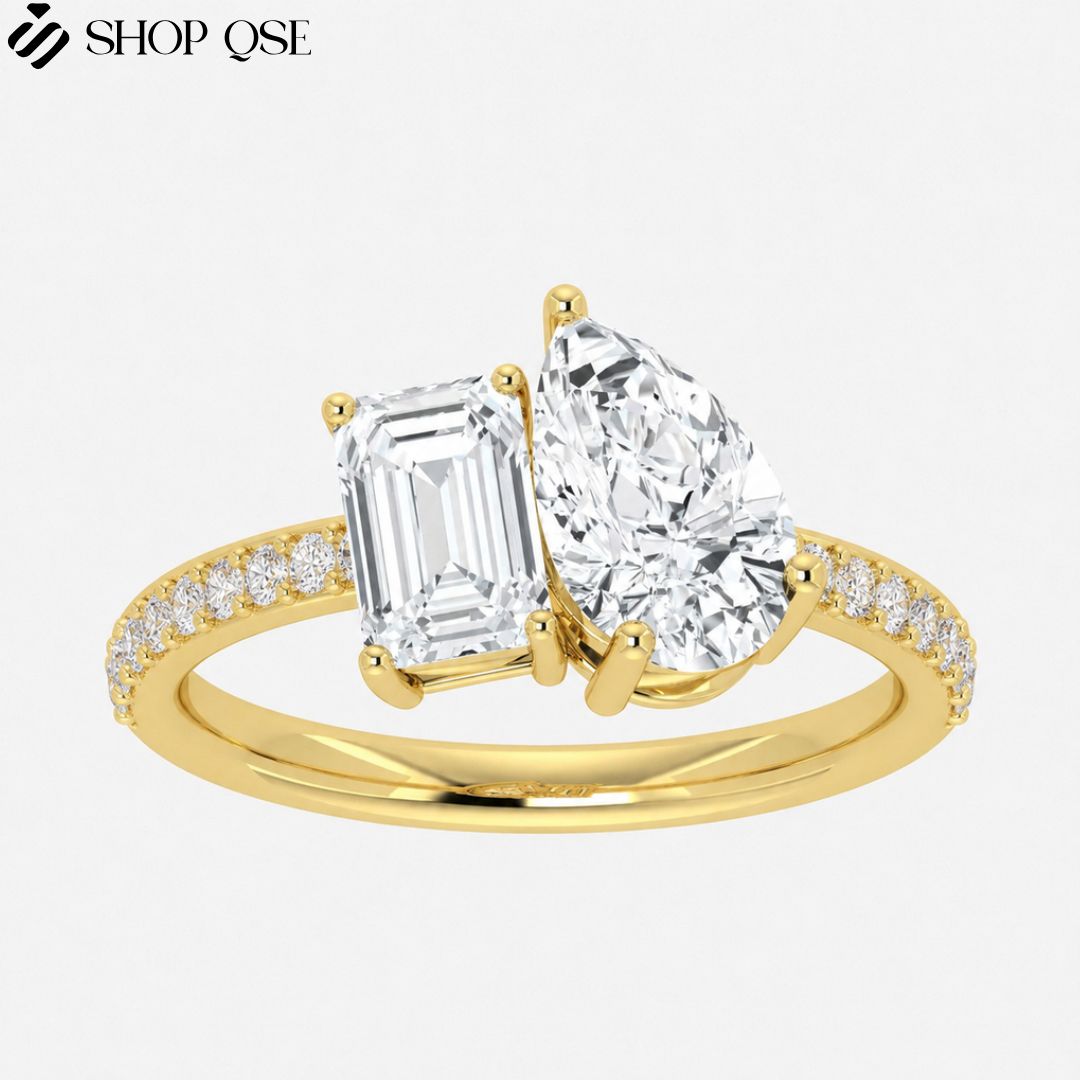
What has changed the conversation around these rings in recent years is scale and consistency. Growing technology has advanced to the point where larger stones, in the 1 to 3 carat range, are now widely available at a price point that would have been unrealistic for a mined stone of the same size just a decade ago. This has opened up options for buyers who previously had to choose between a smaller stone or stretching well beyond their budget.
When shopping for a ring in this category, the same fundamentals apply as with any diamond: prioritize cut quality above all else, since it has the biggest visual impact on brilliance. Check for certification from a recognized grading lab, and pay attention to the setting style, since prong count and metal choice both affect how secure and how bright the stone appears over time.
One practical advantage worth mentioning is customization. Because these stones are more accessible from a cost standpoint, many buyers use the savings to invest in a higher grade of cut or clarity, or to choose a more elaborate setting, like a halo or a pavé band, rather than settling for a plain solitaire simply to stay within budget.
Diamond Tennis Bracelets: A Timeless Layering Piece
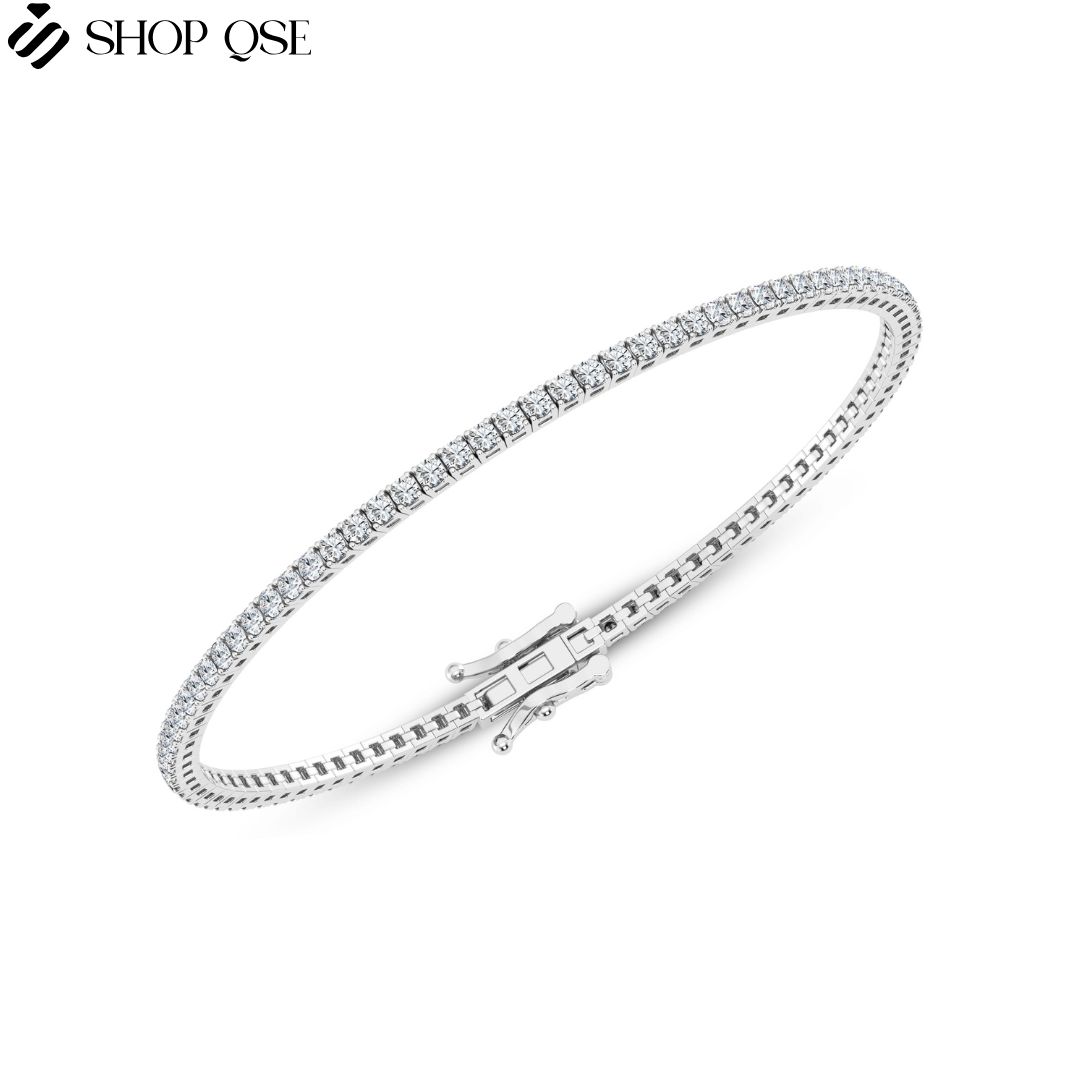
If rings mark milestone moments, a diamond tennis bracelet is more of an everyday luxury. Its design, a continuous line of similarly sized diamonds set in a flexible band, has remained essentially unchanged for decades because it simply works. It catches light from every angle when you move your wrist, and it pairs naturally with everything from a work blazer to a simple evening outfit.
The name itself has an interesting origin. It comes from a moment in the 1980s when a tennis player's diamond bracelet broke and scattered across the court during a match, causing play to pause while she searched for the stones. The name stuck, and the style has remained a wardrobe staple ever since.
When choosing a tennis bracelet, consistency across the stones matters more than it does in a single-stone piece like a ring. Because dozens of diamonds sit side by side, any noticeable difference in size, color, or brilliance between stones becomes obvious. Reputable retailers carefully match stones for a tennis bracelet to ensure a uniform, continuous sparkle rather than a mismatched look.
Setting style is another important factor. Most tennis bracelets use either a shared-prong setting, where each diamond is held by prongs shared with its neighboring stones for a nearly seamless line, or a bezel setting, where each stone sits inside a thin metal rim for extra protection. Shared-prong settings tend to show more of the diamond and create a brighter overall look, while bezel settings are more durable for people who are hard on their jewelry.
Length and fit deserve attention too. A tennis bracelet that's too loose can shift around and catch on clothing, while one that's too tight can feel uncomfortable over a full day of wear. Most retailers offer standard lengths with the option to add or remove links, so it's worth checking sizing details carefully before buying, especially online.
Choosing a Lab Grown Diamond Necklace
A lab grown diamond necklace tends to be one of the more versatile pieces in any collection because it works across such a wide range of styles, from a single small pendant worn daily to a statement piece saved for special occasions.
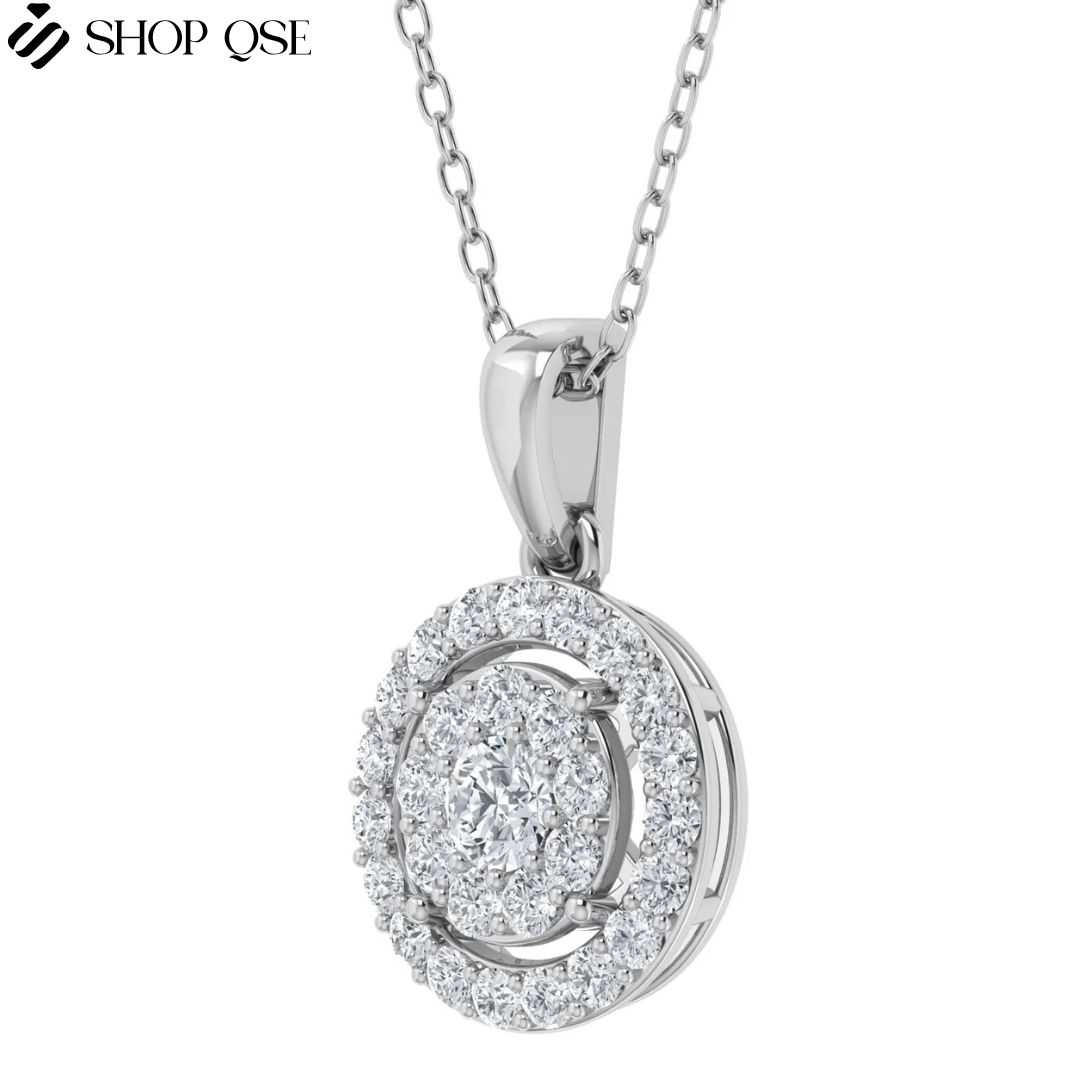
Pendant necklaces with a single stone are the most classic choice. The size of the stone, its placement on the chain, and the chain length all affect how the piece sits and how noticeable it is. A smaller stone on a shorter chain creates a subtle, everyday look, while a larger stone or a longer chain draws more attention and works well layered with other necklaces.
Chain material and style matter more than people often expect. White gold and platinum chains give a cooler, more modern look that makes the diamond appear extra bright by contrast. Yellow gold creates warmth and works particularly well with warmer color-grade diamonds. Chain thickness should generally be proportional to the pendant, a delicate solitaire pendant usually pairs best with a thinner chain, while a larger or more elaborate pendant can support a slightly heavier chain without looking unbalanced.
Beyond single pendants, diamond necklaces also come in styles like bar necklaces, with a row of small diamonds set along a horizontal bar, and drop necklaces, where the stone sits slightly below the chain for extra movement and sparkle. Both styles offer a bit more visual interest than a traditional solitaire pendant while still remaining versatile enough for daily wear.
As with every other piece in this guide, certification remains essential. A necklace's center stone, no matter how it's set, should come with proper grading documentation confirming its cut, color, clarity, and carat weight.
What Makes a Lab Created Diamond Band Worth Considering
A lab created diamond band, whether worn alone, stacked with other rings, or used as a wedding band, has become an increasingly popular choice for people who want understated sparkle without a single large center stone.
Unlike a solitaire ring, a band typically features a continuous or near-continuous row of smaller diamonds set into the metal. This design distributes sparkle evenly around the finger rather than concentrating it in one spot, which creates a different kind of elegance, subtle, consistent, and easy to pair with other rings.
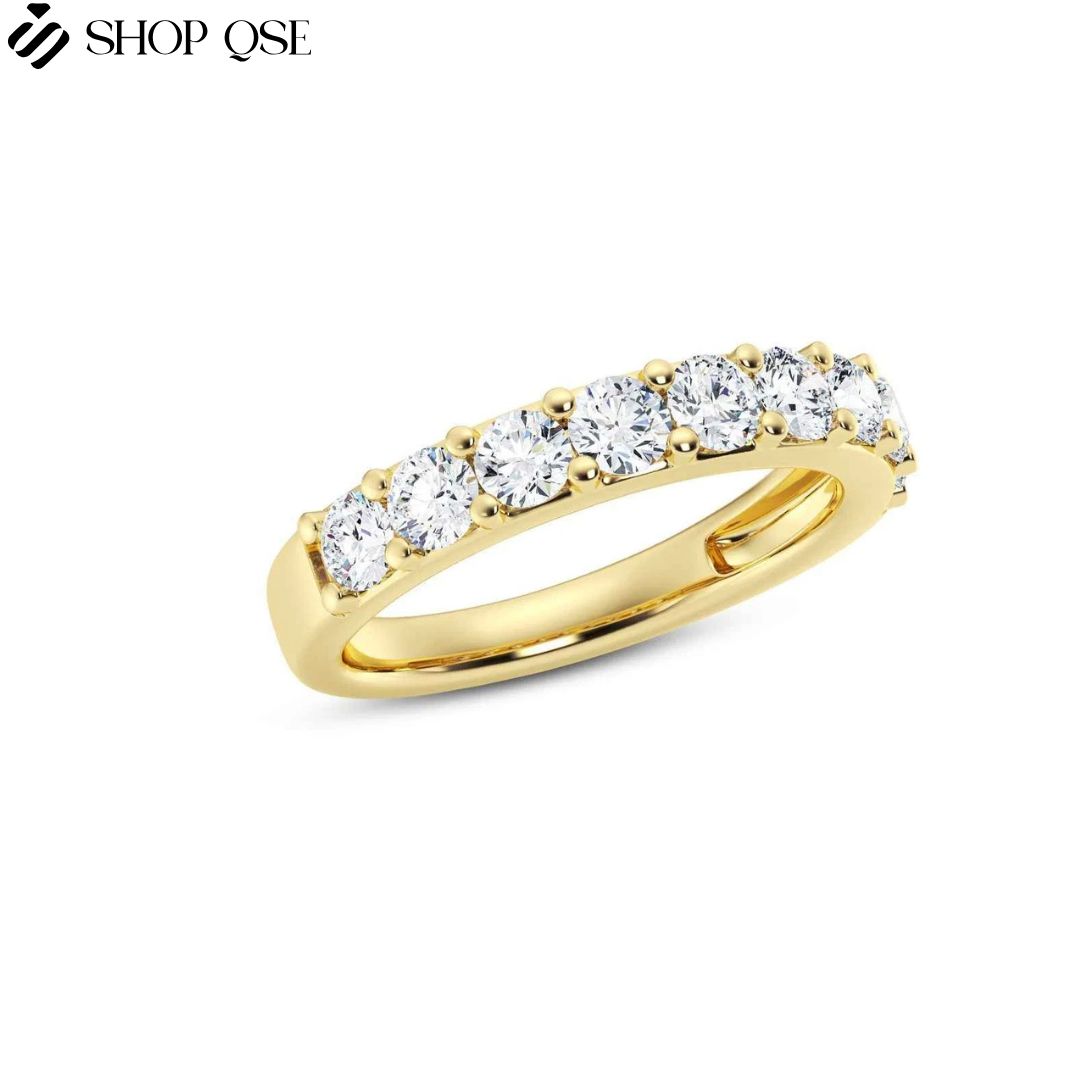
Bands are especially popular for stacking. Many people build a personalized look over time by layering a diamond band with an engagement ring, a plain metal band, or other stacking rings, creating a combination that feels unique to them. Because bands are generally more affordable than a large single-stone ring, they're also an accessible entry point for someone building their first diamond piece.
When shopping for a band, pay attention to how the stones are set. Channel settings, where diamonds sit recessed between two metal walls, offer excellent protection and a smooth, comfortable feel against the skin, making them a practical choice for daily wear. Shared-prong or pavé settings, on the other hand, allow more light to reach each stone, creating a slightly brighter overall sparkle at the cost of a bit less protection for the stones' edges.
Metal choice affects both the look and the practicality of a band. Platinum and white gold are popular for their durability and cool-toned brilliance, while rose gold has grown in popularity for its warm, romantic tone that pairs beautifully with both mined and lab-grown stones.
Bringing a Collection Together
The real advantage of understanding rings, bracelets, necklaces, and bands individually is that it makes building a cohesive collection much easier. Matching metal tones across pieces, whether that's staying consistently in white gold or mixing in warmer rose gold accents, creates a collection that feels intentional rather than randomly assembled.
Certification and consistent quality standards across every piece also matter. A collection built entirely from certified stones, regardless of individual carat size or price point, holds together as a cohesive, trustworthy set rather than a mismatched group of purchases made at different quality levels.
Frequently Asked Questions
Are lab produced diamonds rings as durable as mined diamond rings?
Yes, they share the same hardness and physical properties as mined diamonds.
Why do tennis bracelet stones need to match closely?
Because they sit side by side, any inconsistency in size or color becomes noticeable.
What chain works best for a small diamond pendant?
A thinner chain usually complements a smaller pendant most naturally.
Are diamond bands good for stacking with other rings?
Yes, their slim, continuous design makes them easy to layer with other pieces.
Does certification matter for smaller stones in a band?
Yes, even smaller stones should be backed by proper grading documentation.
Discover certified diamond rings, bracelets, necklaces, and bands at ShopQSE.
Final Thoughts
Whether you're starting with a single ring or thinking ahead to a full collection that includes a bracelet, necklace, and band, the same principles apply throughout: prioritize cut quality, insist on proper certification, and choose pieces that genuinely fit your lifestyle rather than simply following trends. Lab-grown technology has made it easier than ever to build a meaningful collection without compromising on size or quality, giving buyers more freedom to choose pieces they'll actually wear and enjoy for years.

 English
 Arabic
 French
 Portuguese
 Deutsch
 Turkish
 Dutch
Dutch
 Italiano
 Russian
 Romaian
 Portuguese (Brazil)
 Greek
Greek